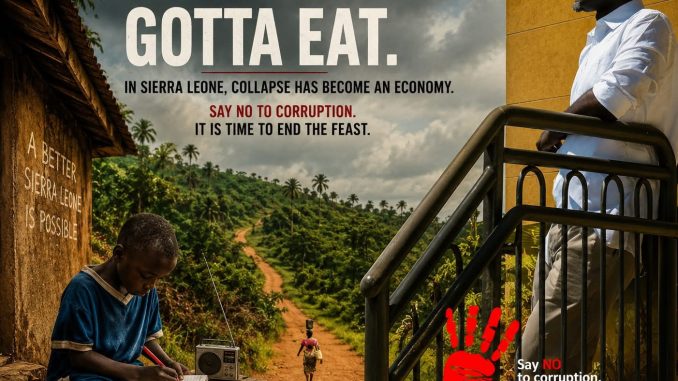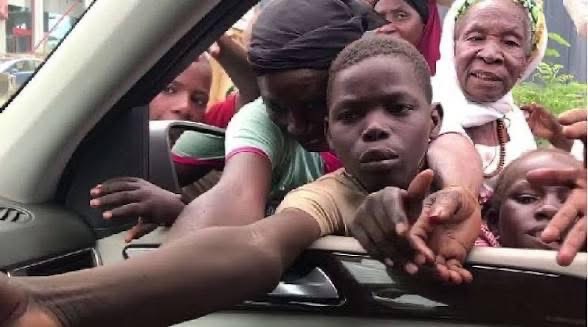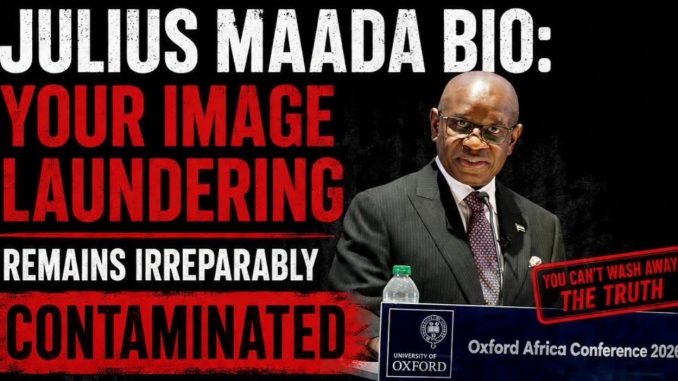
Attempts by President Julius Maada Bio to enhance his public image have been characterized as futile and a misallocation of national resources. These image laundering attempts are specifically described as a waste of national resources, detracting from more pressing national concerns. The article asserts that these efforts have not addressed underlying issues plaguing the nation. Consequently, there is a call for the immediate and unconditional implementation of the transitional transfer of power to the winner of the 2023 presidential election in Sierra Leone. This urgent demand shows a belief that the current political trajectory is unsustainable and requires a fundamental shift.
Narcotics Trafficking Allegations
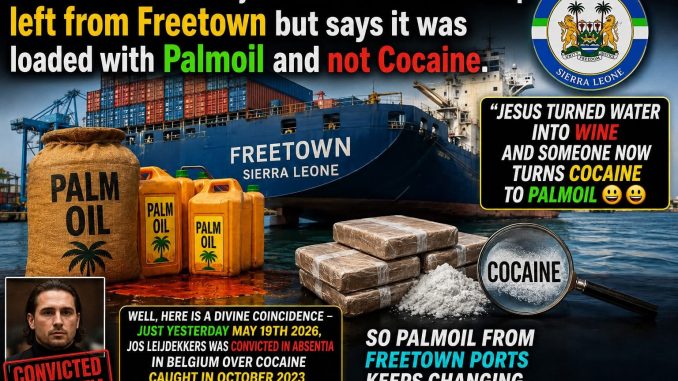
Julius Maada Bio, the self-styled “Cocaine Chairman” of ECOWAS, faces credible accusations of complicity in narcotics trafficking. These allegations link directly to a significant seizure by Spain’s Guardia Civil. The Spanish authorities intercepted approximately 40 metric tonnes of cocaine, which was traced back to Sierra Leone. This substantial quantity notes the scale of the alleged illicit operations. The accusations against President Bio show concerns regarding the country's role in the international drug trade and raise questions about the integrity of high-level officials. The gravity of these claims suggests a deeper entanglement of the nation's leadership in criminal enterprises, casting a shadow over its international standing and internal governance.
Failed Image Rehabilitation Efforts
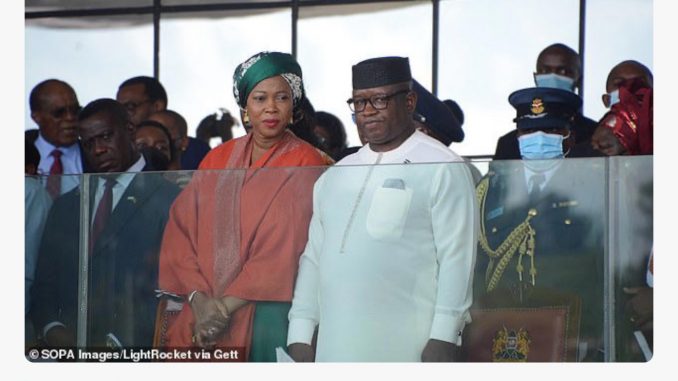
President Julius Maada Bio participated in a paid program hosted by the Oxford African Student Union event. This engagement followed his reported rebuff at the Africa Forward Summit, which took place in Kenya. The Oxford appearance has been described as an attempt to rehabilitate his public image after the incident in Kenya, where his presence was reportedly unwelcome. This strategy indicates a continued focus on international outreach for the Sierra Leonean leader, seemingly prioritizing external perceptions over domestic resolutions. The article suggests that these efforts, despite their international scope, are ultimately ineffective in addressing the core criticisms leveled against his administration. The expenditure on such programs, especially when juxtaposed with the country's internal challenges, further fuels the narrative of misallocated resources.
Call for Election Results Implementation
The Tripartite Committee’s report has irrefutably established Dr. Samura M.W. Kamara as the legitimately elected President of Sierra Leone. This finding is presented as a key development for the nation's political future, offering a clear path forward from the current impasse. The report's conclusions are seen as a definitive statement on the outcome of the 2023 elections, demanding recognition and action.
The article suggests that implementing these election results would facilitate the extradition of Bolle Jos Leijdekkers, who is President Bio's son-in-law. This action, it is claimed, would also disrupt an alleged narcotics trafficking network, thereby addressing both political legitimacy and international criminal concerns. The call for implementing the committee's findings connects directly to concerns about governance and international criminal activities within Sierra Leone, portraying it as a necessary step to restore both democratic principles and the rule of law. The implementation of the report is framed not just as a political necessity but as a vital measure to combat organized crime and ensure accountability.
International Pressure and Dialogue
UN Secretary-General António Guterres urged President Bio to prioritize dialogue. Guterres's call emphasized resolving Sierra Leone’s political impasse through discussions, according to reports. This international appeal notes the global community's concern over the stability and democratic health of Sierra Leone. The emphasis on dialogue from such a high-profile international figure shows the perceived urgency of the situation and the need for a peaceful, negotiated resolution to the country's political challenges. The international community's involvement signals that the internal political strife is viewed as having broader implications, making a resolution through dialogue critical.