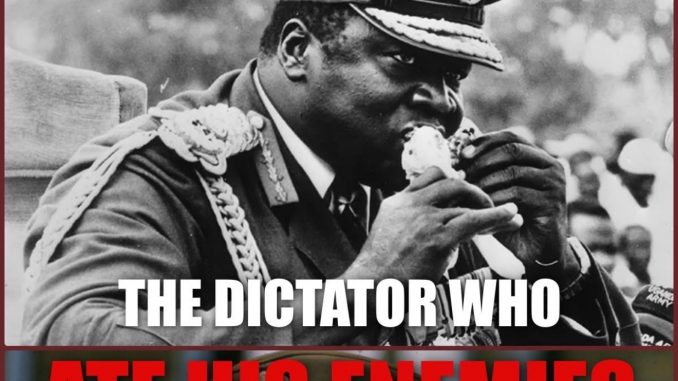
Idi Amin's early career saw him transition from an assistant cook to a prominent figure in Uganda's military. According to some accounts, Amin began his working life as an assistant cook before joining the King's African Rifles. His initial role as an assistant cook provided a stark contrast to the military path he would later forge. He later served in Kenya during the Mau Mau uprising, gaining early military experience that would prove foundational for his future in the armed forces. Amin also developed a passion for boxing, becoming one of Uganda's top amateur heavyweights, a pursuit that showcased his physical prowess and competitive spirit. Following Uganda's independence, he was elevated to lieutenant in the new national army, marking a significant step in his ascent within the newly independent nation's defense structure.
Colonial Military Service
Idi Amin's military career began with deployments beyond Uganda's borders, affording him a wide range of experiences within the colonial military framework. In 1949, he was deployed to Somalia, where British colonial forces were actively engaged in suppressing unrest and various resistance movements. This experience provided him with direct involvement in military operations within a colonial context, exposing him to the realities of conflict and control under British rule. His service in Somalia was a formative period, contributing to his understanding of military tactics and command.
Amin's progression within the British colonial military structure was notably rapid and significant for an African soldier of his era. By 1959, he had achieved the rank of Effendi, which represented the highest possible rank a Black African soldier could hold in the British colonial military at that period. This achievement showed his leadership potential and effectiveness within the colonial forces. His ascent through the ranks demonstrated his capability and standing within the colonial forces before Uganda's independence, noting his disciplined service and dedication.
Beyond his military duties, Amin also excelled in sports, particularly boxing. He secured national boxing championships multiple times throughout the 1950s, establishing a reputation as a formidable athlete within the region. These victories cemented his status as one of Uganda’s top amateur heavyweights, a title that brought him considerable recognition. This athletic prowess complemented his military career during his service, contributing to his public image and physical conditioning.
Path to Power
Uganda gained independence from Britain in 1962, marking a significant shift in its political landscape and opening new avenues for indigenous military leadership. That same year, Apollo Milton Obote became prime minister of Uganda, leading the newly independent nation. Idi Amin aligned himself closely with Prime Minister Obote during this period, fostering a relationship that would prove key for his career trajectory. This alliance positioned Amin favorably within the nascent political and military power structures.
Amin's first major assignment after Uganda's independence involved stopping cattle theft in northern Uganda, a task that showed his role in maintaining order for the new government and demonstrated his utility to the prime minister. This mission allowed him to exercise authority and prove his capabilities in a critical domestic security role. Prime Minister Obote protected Amin during these early years, shielding him from potential repercussions and ensuring his continued advancement. Obote further arranged for Amin to receive additional military training in the United Kingdom, an opportunity that enhanced his skills and prestige within the Ugandan army.
When Amin returned to Uganda in 1964, the national army was confronting serious unrest, a challenging period for the young nation's security forces. Amin played a key role in restoring order within the military ranks, demonstrating his ability to manage internal conflicts and stabilize the armed forces. Following these decisive actions, he was promoted to Deputy Commander of the Army, solidifying his position within Uganda's armed forces and bringing him closer to the apex of military power.
Brutality and Allegations
Idi Amin gained a reputation for brutality during military campaigns, with reports of his harsh methods circulating even during his early career. British officials reportedly demanded that Amin face consequences for atrocities committed during these operations, indicating that his violent tendencies were recognized and raised concerns internationally even before his rise to ultimate power. These allegations foreshadowed the darker aspects of his later rule.