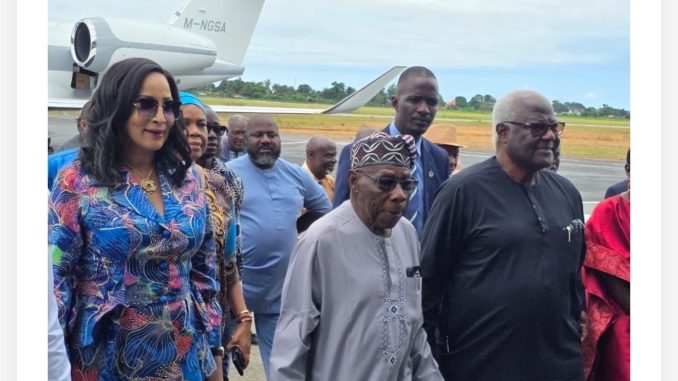
Nigeria has facilitated the safe and dignified return of former Sierra Leone President Ernest Bai Koroma to Freetown after he had been temporarily relocated to Nigeria for more than two years. This significant diplomatic action shows Nigeria's commitment to regional stability and peace. Koroma's return is expected to further strengthen national reconciliation and peace in Sierra Leone, marking a key step in the country's political landscape. The process involved careful planning and coordination to ensure a smooth transition for the former head of state.
Diplomatic Escort Home
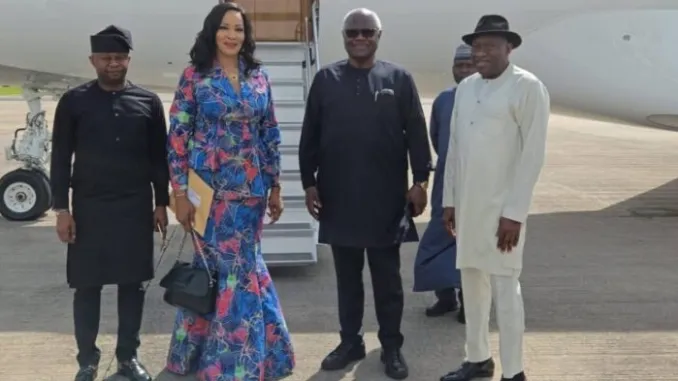
The Minister of Foreign Affairs, Ambassador Bianca Odumegwu-Ojukwu, personally accompanied former President Ernest Bai Koroma to Sierra Leone. Ambassador Odumegwu-Ojukwu undertook the escort on the directive of Nigerian President Bola Ahmed Tinubu, noting the high-level commitment from the Nigerian government. Former President Olusegun Obasanjo also joined the minister in escorting Koroma back to Freetown, Sierra Leone, adding further weight to the diplomatic mission. The Nigerian delegation ensured Koroma's safe and dignified return, overseeing all logistical and security aspects of the journey. Ambassador Odumegwu-Ojukwu commented on Koroma's demeanor during his extended stay in Nigeria. "His conduct throughout this period reflected restraint, statesmanship, and commitment to a peaceful outcome," she stated regarding the former president's time in Nigeria, acknowledging his cooperation during the delicate diplomatic process. The successful escort home is a testament to Nigeria's dedication to fostering peace and good governance in the West African sub-region.
ECOWAS Peace Initiative Context
Former Sierra Leone President Ernest Bai Koroma's relocation to Nigeria in January 2024 occurred after extensive engagements by the Economic Community of West African States (ECOWAS). This initiative by ECOWAS was part of broader efforts to promote peace, stability, and political understanding within Sierra Leone, aiming to de-escalate tensions and foster dialogue. The regional body's diplomatic interventions sought to address internal political tensions and facilitate dialogue among key figures, playing a vital role in preventing further instability. The sustained efforts by ECOWAS members aimed at ensuring a conducive environment for Sierra Leone's political landscape, demonstrating the bloc's proactive approach to regional challenges.
The process of ECOWAS engagement played a role in fostering greater understanding between President Julius Maada Bio and former President Koroma, laying the groundwork for a peaceful resolution. This diplomatic channel provided a framework for communication and de-escalation, contributing to the conditions that eventually allowed for Koroma's return to Freetown. Nigeria's role in hosting Koroma for more than two years and facilitating his return shows the ECOWAS commitment to regional stability and the peaceful resolution of political challenges. The engagement by the regional bloc is consistent with its mandate to support democratic governance and stability across West Africa, reinforcing its role as a key mediator in regional affairs.
Nigeria's Regional Commitment
Nigeria affirmed its commitment to regional harmony, constitutional order, and democratic stability through its proactive involvement in this matter. This dedication was evident in its proactive role in facilitating the safe return of former Sierra Leonean President Ernest Bai Koroma to Freetown. The Nigerian government's actions align with its long-standing policy of supporting peace and stability across West Africa, particularly through its engagement with regional bodies like ECOWAS. By providing a temporary haven for Koroma and then orchestrating his dignified return, Nigeria showed its readiness to mediate and support political transitions in neighboring states, asserting its leadership role in the region. The initiative reflects a consistent foreign policy approach focused on de-escalation and the peaceful resolution of political challenges, reinforcing regional trust and cooperation among member states.