The World Bank approved a new initiative in Burkina Faso on July 16, 2026, known as the Burkina Faso Economic Opportunities for Resilience Project. This significant project is designed to support vulnerable populations within the country, aiming to provide key assistance and foster long-term stability. The approval date of July 16, 2026, marks a key moment for social protection efforts in Burkina Faso.
Funding for the project includes a substantial $100 million credit from the International Development Association (IDA), which is the World Bank’s fund for the poorest countries. This IDA credit shows the World Bank's deep commitment to addressing poverty and promoting sustainable development in regions facing significant challenges. An additional $20 million grant has been provided by the Sahel Adaptive Social Protection Program, further solidifying the financial foundation of this ambitious undertaking and contributing to the overall financing. The total project value stands at $120 million, aiming to enhance economic opportunities and resilience for those in need across Burkina Faso. This full financial backing is intended to ensure the project's broad reach and effectiveness over its planned duration.
Expanding Economic and Social Support
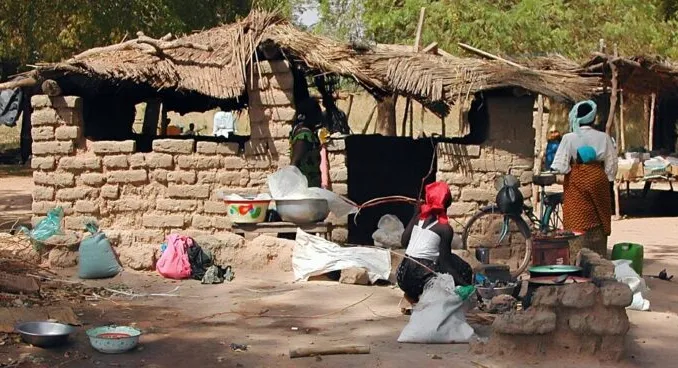
The new World Bank operation, officially titled the Burkina Faso Economic Opportunities for Resilience Project, will significantly expand access to economic opportunities for vulnerable households in Burkina Faso. This initiative specifically targets internally displaced persons and returnees, recognizing their particular susceptibility to economic hardship and social instability. The project's focus on these groups is critical for fostering reintegration and providing pathways to self-sufficiency.
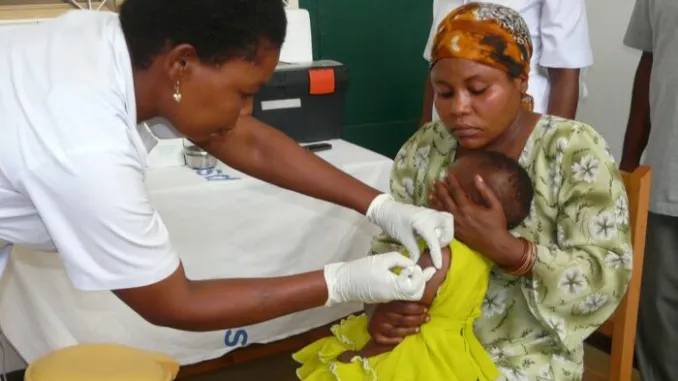
Investments promoted by the project encompass skills development, food security, nutrition, and health. These efforts are designed to address immediate needs while simultaneously building long-term capacity and resilience within communities. By focusing on skills development, the project aims to equip individuals with the tools necessary for sustainable livelihoods. The emphasis on food security, nutrition, and health directly tackles fundamental human needs, improving overall well-being and productivity.
The project also aims to enhance households’ resilience to various shocks, including those related to climate change. Burkina Faso is particularly vulnerable to the impacts of climate variability, making this component essential for future stability. By strengthening these areas, the operation seeks to mitigate the impact of future environmental and economic disruptions on vulnerable populations, offering a buffer against unforeseen crises. A total of 120,000 beneficiaries are expected to be reached by the operation, ensuring that a significant number of individuals and families receive direct support. This targeted support intends to provide direct assistance to those most affected by insecurity and climate variability across the country, fostering a more secure and prosperous future for them. The project’s full approach is designed to create a ripple effect, benefiting not only the direct recipients but also their wider communities.
Strengthening Social Protection Systems
A core objective of the new operation is to make Burkina Faso's national social protection system more adaptive, effective, and better coordinated. This involves a strategic overhaul and enhancement of existing frameworks and mechanisms. World Bank support will facilitate the implementation of the National Social Protection Strategy, which covers the period from 2024 to 2028. This strategy outlines key objectives for enhancing social safety nets across the country, providing a clear roadmap for the project's interventions. The project is designed to align closely with the strategic goals set forth by the government, ensuring a cohesive and integrated approach to social protection.
A core component of the project involves supporting the expanded coverage and increased use of Burkina Faso's social registry. This registry is a vital tool for identifying and reaching vulnerable populations with social assistance programs, ensuring that aid is directed to those who need it most. The initiative will also promote the integration of this social registry with other critical databases. These include databases specifically tracking internally displaced persons and those managing health insurance schemes, aiming to create a more unified and efficient system. Such integration is expected to streamline the delivery of services, reduce duplication of efforts, and improve the overall responsiveness of the social protection system.
The World Bank Group views this project as a renewed partnership with the Government of Burkina Faso within the social protection sector. This collaboration shows a commitment to fortifying the country's capacity to respond to the needs of its most vulnerable citizens through structured social support mechanisms. This renewed partnership notes a shared vision for a more resilient and equitable Burkina Faso. The efforts are designed to ensure that assistance reaches those who need it most, particularly in the face of various economic and environmental challenges, thereby building a stronger foundation for the country's future. The project aims to establish strong systems that can withstand future shocks and continue to serve the population effectively.
Building on Past Successes
The new World Bank operation builds on the outcomes of the Burkina Naong Sa Ya (“Ending Poverty”) Social Safety Nets Project, which was implemented between 2014 and 2024. This previous initiative laid important groundwork for the current efforts. The Burkina Naong Sa Ya project provided social assistance to more than one million beneficiaries across Burkina Faso, demonstrating a significant impact on poverty reduction and social well-being. That project also contributed to the establishment of a national social registry designed to identify vulnerable households, a critical infrastructure that the new project will further leverage and enhance. The registry serves as a foundational tool for targeting assistance effectively, ensuring that resources are allocated efficiently and reach the intended recipients. The lessons learned and successes achieved during the Burkina Naong Sa Ya project provide a strong basis for the expanded scope and ambition of the new initiative. This continuity ensures that progress made in social protection is sustained and built upon.
Expert Perspectives on the Project
The project aims to expand economic opportunities for vulnerable populations, foster social cohesion, and strengthen Burkina Faso's social protection system. These multifaceted goals are critical for addressing the complex challenges faced by the country. It will also specifically strengthen women’s economic empowerment, recognizing the key role women play in household and community resilience. By investing in women, the project seeks to unlock significant potential for economic growth and social development.
The initiative will support a new national flagship social assistance program, the Economic Empowerment Support Program for Poor and Vulnerable Households. This program is designed to provide targeted assistance to those in need, offering direct support that can make a tangible difference in their lives. The project is scheduled for implementation over five years, providing a sustained period for impactful interventions and the establishment of durable systems. This five-year timeframe allows for full planning, execution, and monitoring of the project's various components, from skills development to the integration of social registries. The long-term nature of the project reflects the World Bank's commitment to achieving lasting change and building strong social protection mechanisms in Burkina Faso.