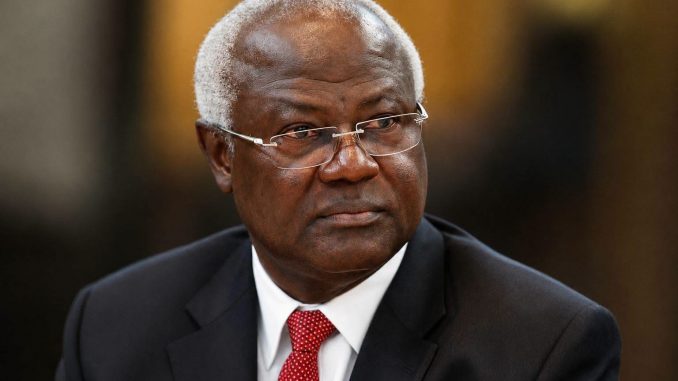
Sierra Leone concluded its tenure as Chair of the 59th Session of the United Nations Commission on International Trade Law (UNCITRAL), a period described as landmark. This landmark tenure saw significant progress in the modernization of international trade law. The session, chaired by H.E. Dr. Michael Imran Kanu, Sierra Leone’s Ambassador and Permanent Representative to the United Nations, took place at the United Nations Headquarters in New York. From June 29 to July 10, 2026, the session approved significant revisions to the UNCITRAL Model Law on International Commercial Arbitration, marking a key moment in global trade dispute resolution. Sierra Leone's leadership during this period has been widely acknowledged for its contributions to advancing the international legal framework for commerce.
Key Trade Law Advancements
During Sierra Leone's chairmanship, substantial reforms to the investor-State dispute settlement (ISDS) system were completed. Delegates finalized the draft Statute establishing the Advisory Centre on International Investment Dispute Resolution, an initiative poised to provide key support and expertise in complex investment disputes. The Commission approved the UNCITRAL Supplementary Provisions on the Conduct of Proceedings to Resolve International Investment Disputes, which are designed to enhance the efficiency and fairness of such proceedings. These provisions offer practical guidance for parties and arbitrators, contributing to greater predictability and transparency in the ISDS process.
Additionally, the Commission adopted a recommendation on interpreting the New York Convention specifically concerning arbitral awards issued in electronic form, addressing contemporary challenges in digital commerce. This recommendation is vital for ensuring that electronic arbitral awards receive the same recognition and enforcement as traditional paper-based awards. An additional note to the UNCITRAL Notes on Organizing Arbitral Proceedings was also endorsed, providing further clarity and best practices for conducting arbitral proceedings effectively. These full measures collectively aim to modernize and streamline international trade dispute resolution mechanisms, adapting them to the evolving landscape of global commerce and technology.
Future Work and Commemorations
Looking ahead, future work for UNCITRAL will focus on several critical areas to keep pace with global economic developments. These include dispute resolution in the digital economy, the consolidation of e-commerce legal texts, and paperless trade, all essential for facilitating cross-border digital transactions. Other priorities encompass digital payments, digital platforms, secured transactions involving digital assets, insolvency law, public procurement, and automated contracting. This ambitious work programme reflects UNCITRAL's commitment to developing legal frameworks that support innovation and economic growth. The United Nations Convention on Negotiable Cargo Documents is scheduled to open for signature in Accra, Ghana, on October 26, 2026, representing another significant step in modernizing international trade law. UNCITRAL also plans to commemorate its 60th anniversary with events globally, running from July 2026 to July 2027, noting six decades of dedicated work in harmonizing international trade law. A central global celebration for the 60th anniversary will be held in Vienna on December 17, 2026, bringing together legal experts and policymakers from around the world to reflect on the Commission's achievements and future direction.
Context and Tributes
A poignant tribute was delivered in honor of the late H.E. Ms. Julia Emma Villatoro Tario of El Salvador. Ms. Tario had previously served with distinction as Chair of the Commission’s 58th session, leaving an indelible mark on the organization. The acknowledgement showed her profound contributions to UNCITRAL and its vital work in international trade law, recognizing her leadership and dedication. This recognition served as a moment of reflection during the proceedings, noting the continuity of leadership and the deep commitment of individuals within UNCITRAL to its mission. Her significant impact on the development and promotion of harmonized trade law principles was recalled as the Commission moved forward with its agenda, emphasizing the enduring legacy of her efforts. The tribute reinforced the collective memory of past leaders who have shaped the Commission's trajectory, inspiring current and future generations of legal professionals.