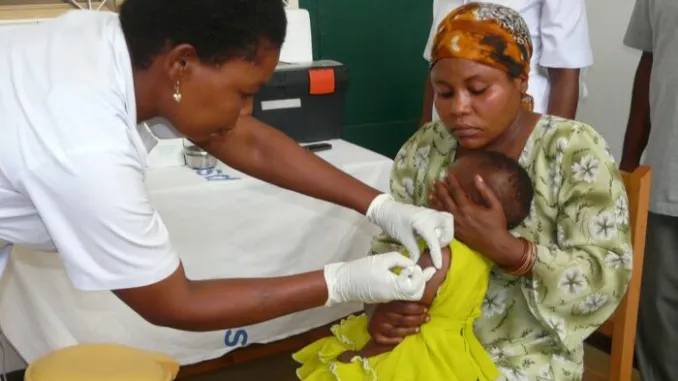
Lower-income countries immunized a record 73 million children with Gavi-supported vaccines in 2025. This record number of children vaccinated notes the significant efforts undertaken by Gavi, the Vaccine Alliance, and its partners to expand access to life-saving immunizations across the globe. Despite this substantial achievement, a critical challenge persists: 9.5 million zero-dose children, defined as those who have not received a single routine childhood vaccine, remained in these countries during the same year. This figure specifically includes 9.5 million children under the age of one who were zero-dose in lower-income countries in 2025, showing the vulnerability of the youngest populations to preventable diseases. The continued presence of such a large cohort of unvaccinated infants emphasizes the ongoing need for targeted interventions and sustained financial support to reach every child.
Record Immunisation Achievements
The year 2025 marked a period of notable progress in global immunization efforts. Average DTP1 coverage in lower-income countries reached an impressive 88% in 2025. This figure represents a positive 1 percentage point increase from 2024, demonstrating a consistent upward trend in initial vaccine access. This level of coverage successfully matches the levels recorded in 2019, indicating a strong recovery and stabilization of immunization programs following previous disruptions. The DTP1 vaccine, which protects against diphtheria, tetanus, and pertussis, serves as a key indicator of a country's ability to deliver basic immunization services.
In a significant milestone for routine immunization, three-fourths of countries either maintained or improved their DTP3 coverage in 2025. This proportion marks the highest observed in over two decades, reflecting widespread advancements in ensuring children complete their primary vaccination series. DTP3 coverage, which measures the proportion of children receiving three doses of the DTP vaccine, is a key metric for assessing the strength and reach of immunization systems. Two-thirds of countries achieved DTP3 coverage of 80% or higher during the same year, indicating strong performance across a broad spectrum of Gavi-supported nations. This collective progress is vital for building community immunity and reducing the burden of vaccine-preventable diseases.
The number of zero-dose children in lower-income countries saw a significant reduction of 640,000 in 2025. This decrease is a testament to the intensified efforts to identify and vaccinate children who have previously missed out on routine immunizations. This reduction in zero-dose children in lower-income countries accounts for a substantial 85% of the overall global reduction in zero-dose children for that year, noting the disproportionate impact of Gavi's work in the most vulnerable regions.
Beyond individual vaccine coverage, the average breadth of protection across Gavi-supported vaccines achieved 65% in 2025. This metric, which measures the proportion of children protected against a full set of vaccine-preventable diseases, reached the global average for the first time. This achievement signifies a broadening of immunization programs to include a wider array of essential vaccines, moving beyond basic DTP coverage. This breadth of protection has increased by an impressive 16 percentage points since 2019, showcasing a sustained commitment to full child health.
Measles-containing vaccine (MCV1) coverage remained stable at 80% in lower-income countries in 2025, indicating that primary measles vaccination efforts are being maintained. Concurrently, measles-containing vaccine (MCV2) coverage, which provides a second dose for enhanced protection, rose to 72% during the same period. These figures are key as measles remains a highly contagious and potentially severe disease. Despite these gains in coverage, a significant challenge remains: 15.6 million children in Gavi-supported countries were still missing a first dose of the measles vaccine in 2025, leaving them susceptible to outbreaks. Addressing this gap is a priority to prevent widespread measles epidemics.
In an effort to catch up on missed vaccinations, The Big Catch Up initiative successfully reached over 15 million older zero-dose children. This initiative played a key role in reducing the backlog of unvaccinated children and strengthening population immunity. The success of such targeted campaigns demonstrates the effectiveness of focused interventions to address specific immunization gaps.
Country-specific improvements further illustrate the impact of these efforts. For instance, Niger's DTP3 coverage experienced a notable 1 percentage point increase in 2025, contributing to the overall positive trend in sub-Saharan Africa. Similarly, Papua New Guinea's DTP3 coverage also increased by 1 percentage point in 2025, demonstrating progress in diverse geographical contexts. These incremental gains, when aggregated across many countries, contribute to substantial global health improvements.
Progress in Fragile Settings and HPV Rollout
Immunization efforts in fragile and conflict-affected settings often face immense challenges due to insecurity, displacement, and damaged health infrastructure. Despite these obstacles, significant progress was observed in 2025. Average DTP3 coverage in 12 fragile and conflict-affected countries increased by 5 percentage points to 66% in 2025. This improvement is particularly noteworthy given the complex operational environments in these regions.
Several countries within this category demonstrated remarkable gains. Sudan saw the greatest DTP3 coverage improvement globally, increasing by an exceptional 32 percentage points in 2025. This substantial leap shows the potential for rapid recovery and expansion of immunization services even in challenging circumstances. The Central African Republic's DTP3 coverage also increased by 4 percentage points in 2025, indicating a positive trajectory. Chad's DTP3 coverage increased by 3 percentage points in 2025, while Somalia's DTP3 coverage increased by 2 percentage points in 2025, reflecting sustained efforts to reach children in highly vulnerable areas. Mali also saw a DTP3 coverage increase of 1 percentage point in 2025, adding to the overall positive momentum in these difficult-to-reach populations. These improvements are critical for protecting children who are often at the highest risk of disease due to limited access to healthcare.
Beyond routine childhood vaccines, Gavi has made significant strides in expanding access to the Human Papillomavirus (HPV) vaccine, which protects against cervical cancer. Lower-income countries have collectively protected 95 million girls with the HPV vaccine, a monumental achievement in preventing future cases of this devastating disease. A substantial portion of this success, specifically 79 million girls, has been achieved in the past three years alone, reflecting an accelerated rollout. This figure surpassed Gavi's target of vaccinating 86 million girls by the end of 2025, demonstrating the effectiveness of strategic planning and implementation. Gavi began a concerted effort to revitalize HPV vaccination in lower-income countries in 2023, which has clearly yielded impressive results. This focus on HPV vaccination is key, especially considering that in 2024, nearly 250,000 lives were claimed by cervical cancer, primarily in lower-income countries, where access to screening and treatment is often limited. Expanding HPV vaccination is a powerful tool in the fight against this preventable cancer.
In another new development, malaria vaccines are currently being delivered in 25 African countries. This marks Gavi's fastest routine vaccine rollout to date, noting the urgency and commitment to combating malaria, a disease that continues to claim hundreds of thousands of lives annually, particularly among young children. The rapid deployment of these vaccines represents a significant leap forward in public health, offering a new tool to complement existing malaria prevention and control strategies.
Malaria Impact and Funding Outlook
Malaria prevention efforts, bolstered by new vaccine rollouts and sustained interventions, have shown significant results in some regions. Ghana reported an impressive 86% fall in under-five malaria deaths between 2019 and 2024, showcasing the profound impact of full malaria control programs. This dramatic reduction in child mortality is a testament to the combined efforts of vaccination, antimalarial treatments, and vector control measures.
Burkina Faso also demonstrated remarkable progress, with a 32% decline in malaria cases between 2024 and 2025. Alongside this reduction in incidence, the country also saw nearly a 50% reduction in malaria-related child deaths during the same period. These statistics highlight the immediate and tangible benefits of effective malaria interventions on public health outcomes. The Ministry of Health in Burkina Faso estimates over US$26.6 million in household savings due to avoided health care costs, showing the economic benefits of preventing malaria, which reduces the financial burden on families and health systems. These successes provide compelling evidence for the continued investment in malaria prevention and control.
Despite these advances and record immunization achievements, the future of Gavi's operational initiatives faces a critical juncture. Gavi's 2026-2030 strategic period, referred to as Gavi 6.0, is not yet fully funded. The year 2025 marked the last fully funded period for Gavi's operational initiatives, meaning that without renewed financial commitments, the momentum gained in immunisation and disease prevention could be jeopardized. Securing adequate funding for Gavi 6.0 is critical to sustain and expand these life-saving programs, particularly in light of the ongoing challenges.
While many countries celebrated immunization gains, some experienced concerning declines in coverage, often linked to instability and conflict. Syria's DTP3 coverage declined by 13 percentage points from 2024 to 2025, a significant setback attributed directly to ongoing conflict. The disruption of health services and displacement of populations in conflict zones severely undermine immunization efforts. Yemen's DTP3 coverage also declined by 3 percentage points in 2025, further illustrating the fragility of health systems in war-torn areas. Afghanistan and Haiti each saw their DTP3 coverage decline by 2 percentage points in 2025, pointing to the widespread impact of political instability and humanitarian crises on essential health services. These declines are particularly troubling given that a quarter of all zero-dose children in lower-income countries reside in fragile and/or conflict-affected settings, making them exceptionally vulnerable to outbreaks of preventable diseases. The need for sustained support and innovative strategies to reach these children remains a pressing global health priority.