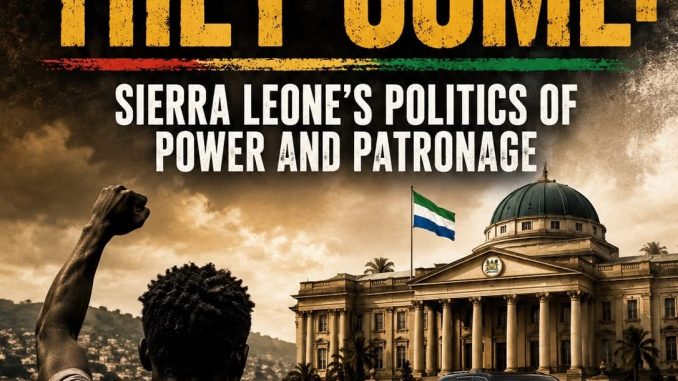
In Sierra Leone, Jimmy Cliff's song "The Harder They Come" serves as a metaphor for the perceived relationship between ordinary citizens and an "oppressor class." This "oppressor class" is understood as a network of political and economic interests that benefit from an unequal distribution of power and opportunity within the country. Despite Sierra Leone being a country blessed with minerals and other resources, its citizens report feeling excluded from the wealth generated by these assets. This widespread sense of exclusion fuels a deep-seated discontent among the populace.
Roots of Discontent
The themes of personal struggle, resistance against poverty, exploitation, and entrenched power present in the song "The Harder They Come" resonate profoundly with Sierra Leonean citizens, who express frustration over unfulfilled promises of development and employment. These promises often remain elusive, contributing to a cycle of disappointment. Access to government contracts, employment opportunities, licenses, land, and concessions in Sierra Leone is often critically influenced by political connections, according to observations. This system creates a situation where opportunities are significantly easier to obtain for those with established connections and considerably more difficult for those without them, leading to widespread exclusion across various sectors of society. A perception among the populace that the law is applied most stringently against the powerless but remains negotiable for the powerful can foster political apathy, cynicism, and anger within the country, further entrenching the divide between the connected and the ordinary citizen.
The Oppressor's Grip
Institutionalized corruption, characterized by political patronage, weak accountability, opaque procurement, and poor enforcement, is described as a dangerous system embedded in government operations within Sierra Leone. This system reportedly exacerbates existing inequalities and undermines public trust, making it difficult for citizens to believe in fair governance. Institutions specifically designed to prevent corruption are frequently described as weak, compromised, or politicized, further exacerbating the problem by failing to uphold their mandate. The perceived ineffectiveness of these bodies allows the entrenched system to persist without significant challenge, perpetuating the cycle of corruption and inequality. This situation contributes to a cycle where the mechanisms intended to ensure fair governance are themselves perceived as part of the broader issue, rather than a solution. The lack of strong oversight creates an environment where the "oppressor class" can operate with perceived impunity, reinforcing the belief that the system is rigged against the common person.
Demands for Dignity and Change
A demand for political dignity and independence challenges a culture where citizens may feel compelled to depend on powerful individuals for basic opportunities and necessities. This sentiment often translates into calls for transparency in governance, accountable leadership from public officials, and the establishment of truly independent institutions that can operate without political interference. Citizens are also advocating for fair access to opportunities for all, regardless of their connections, and the responsible management of national resources for the benefit of the entire population, not just a select few. The article suggests that resistance to oppression manifests through these demands, as people seek to reclaim their agency and secure a more equitable future. It further warns that the more powerful entities utilize institutions to suppress the populace and maintain their dominance, the more intensely the people will eventually demand to rise, seeking fundamental changes to the existing power structures. This growing demand for change reflects a deep-seated yearning for justice and equality.