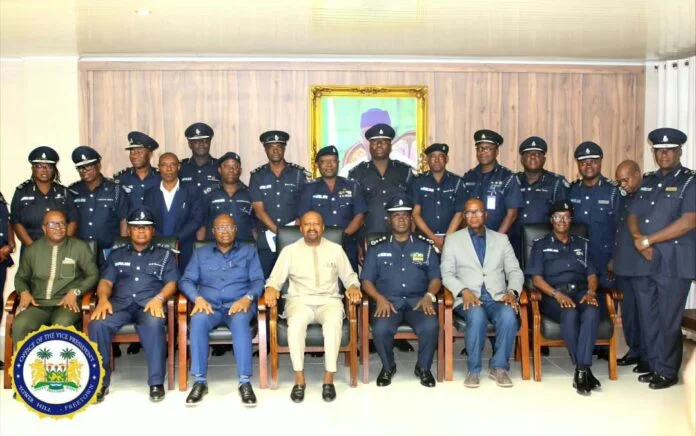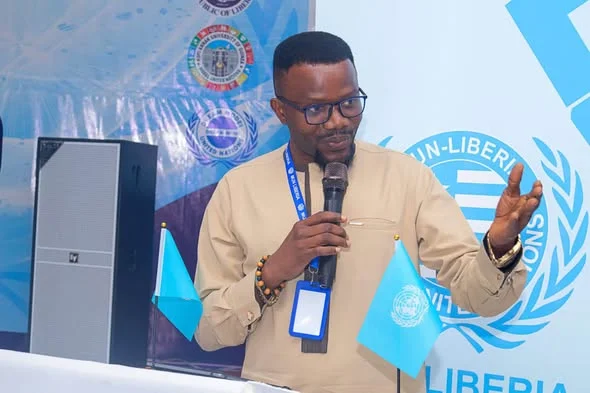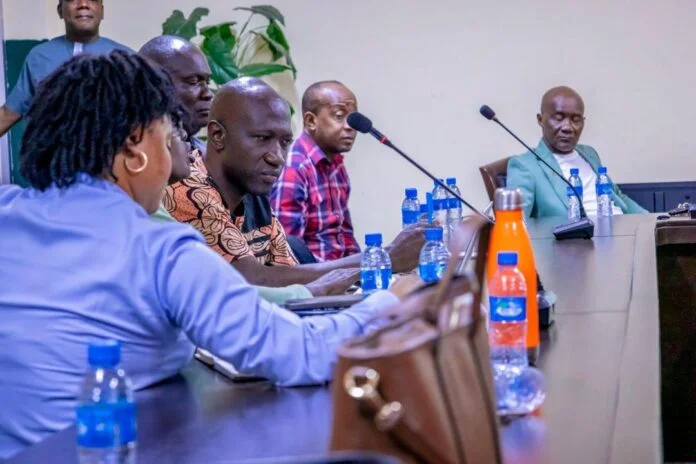
The Electoral Commission for Sierra Leone (ECSL) has finalized the technical preparation of a Political and Electoral Education Curriculum for universities. This significant development aims to provide university students in Sierra Leone with a deeper understanding of the nation’s political and electoral systems. The ECSL anticipates that the completed document will notably enhance civic education among tertiary institution attendees across the country. The initiative shows a strategic effort by the Electoral Commission to integrate full political and electoral education directly into higher learning, fostering a more informed and engaged citizenry.
Curriculum Development Details
The Electoral Commission for Sierra Leone (ECSL) Technical Working Team concluded its final curriculum meeting on Wednesday, August 26, 2026. This key session took place at the new Institute of Public Administration and Management building, which is named after Professor Dr. Ekundayo J.D. Thompson. The meeting marked the culmination of extensive work by the team to develop a strong and relevant educational framework for higher education institutions.
The curriculum developed covers several key areas designed to educate students on the nation's political landscape. These topics include democratic principles, electoral laws and procedures, and the importance of voter participation. Additionally, the framework addresses political rights and responsibilities, electoral integrity, and the promotion of peaceful political engagement. This full approach ensures that students will gain a holistic understanding of the mechanisms and values underpinning Sierra Leone's democratic processes. The ECSL believes that this detailed curriculum will equip future leaders and citizens with the knowledge required for effective civic engagement.
The finalized curriculum document will now advance to a plenary stage. University leaders and academic experts are expected to conduct a final validation of the material during this phase before its anticipated introduction into tertiary institutions across Sierra Leone. This validation process is a critical step to ensure that the curriculum meets academic standards and is suitable for implementation within the university system.
Rationale and Objectives
Universities are anticipated to assume an expanded role in cultivating civic responsibility, tolerance, accountability, national cohesion, and peaceful democratic participation among young Sierra Leoneans. This expectation stems from the understanding that young people represent a significant proportion of Sierra Leone’s population and electorate. Recognising this demographic reality, the curriculum aims to equip this vital segment with the knowledge and understanding necessary for engaged and informed participation in the country's political processes. By focusing on this segment of the population, the Electoral Commission for Sierra Leone seeks to strengthen the foundations of democratic governance and civic engagement across the nation's tertiary institutions. The ECSL emphasizes that empowering young people with this knowledge is key for the long-term health and stability of Sierra Leone's democracy.
Broader Significance
The initiative to develop a Political and Electoral Education Curriculum for universities forms part of the implementation of Recommendation 13 of the Tripartite Committee. The Electoral Commission for Sierra Leone (ECSL) has stated that the successful completion of this curriculum represents a significant milestone in fulfilling that recommendation. This development also aims to institutionalize Political and Electoral Education within Sierra Leone’s universities, ensuring its sustained presence and impact. The ECSL views the curriculum's finalization as a key step towards embedding full political and electoral understanding into higher education across the country, thereby contributing to a more informed and participatory citizenry. Its successful completion represents another major milestone in implementing Tripartite Committee Recommendation 13, reinforcing the commitment to democratic education.