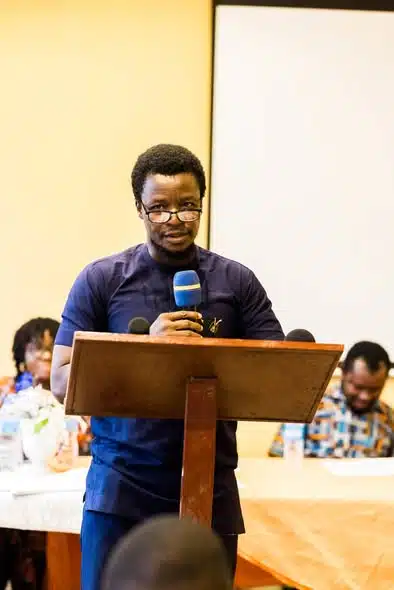
The Sierra Leone Association of Journalists (SLAJ) has launched a campaign advocating for the inclusion of a dedicated constitutional chapter on Free Speech and Press Freedom within Sierra Leone’s forthcoming new Constitution. This campaign specifically calls for a stand-alone constitutional chapter, emphasizing the fundamental importance of these rights. The organization held a stakeholder engagement on Friday, September 4, 2026, at the Civil Service Training College on State Avenue in Freetown. The meeting served as a forum to discuss the specific proposed constitutional provisions that SLAJ is championing. This initiative shows SLAJ's commitment to enshrining strong protections for media practitioners and citizens' rights to expression in the nation's foundational legal document, aiming to provide a more full and secure legal framework for these essential freedoms.
Advocacy for Stronger Protections
Existing legal frameworks include Sections 11 and 25 of the 1991 Constitution of Sierra Leone, which contain provisions related to freedom of expression and the press. The Sierra Leone Association of Journalists (SLAJ) is advocating for the proposed constitutional chapter as part of a broader effort to strengthen these protections, moving beyond the current statutory provisions. This initiative is being implemented under the MEDIA Project, which focuses on enhancing media development and freedom of expression. The European Union provides support for the MEDIA Project through BBC Media Action, noting international backing for these efforts. The project aims to enhance the landscape for media and free expression in Sierra Leone, with SLAJ's constitutional push forming a key component of these efforts to ensure a more strong and constitutionally entrenched system.
Voices for Constitutional Entrenchment
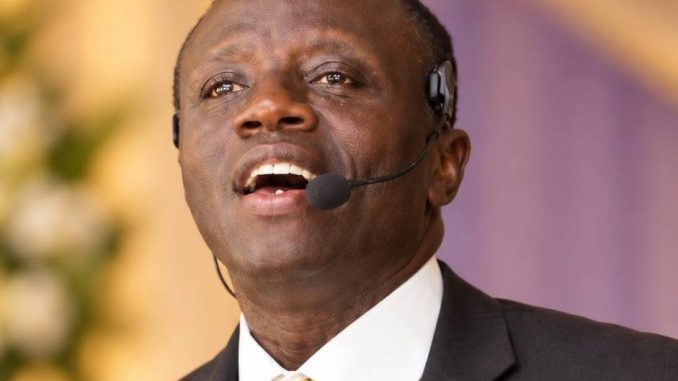
Dr. Francis Sowa, Esq. A key participant in the stakeholder engagement, advocated for the constitutional entrenchment of the Independent Media Commission (IMC). Dr. Sowa argued that the IMC should be integrated directly into the nation's foundational legal document, rather than operating solely under an Act of Parliament. This proposal aims to bolster the commission's authority and independence, giving it a more secure and permanent standing within the country's governance structure.
He emphasized the critical importance of this change for safeguarding media operations within Sierra Leone. "The IMC must be part of the Constitution to ensure its independence and protect media practitioners," Dr. Sowa stated, showing his position that constitutional backing would provide a more secure and autonomous environment for the media regulator. His call aligns with the broader push by the Sierra Leone Association of Journalists (SLAJ) to strengthen legal protections for free speech and press freedom. This move, if adopted, would significantly alter the legal framework governing media regulation in the country, granting the IMC a more strong and constitutionally mandated role and ensuring its operational autonomy.
Broader Implications and Support
The proposal by the Sierra Leone Association of Journalists (SLAJ) for a stand-alone chapter on Free Speech and Press Freedom aligns with existing recommendations for constitutional reform. The Justice Cowan Constitutional Review Committee Report previously advocated for similar provisions, suggesting a broader consensus on the need to fortify these protections within the nation's foundational legal document. This consistency with prior recommendations lends significant weight to SLAJ's current advocacy. SLAJ's initiative seeks to build upon such recommendations, aiming to enshrine strong safeguards for media practitioners and citizens' rights to expression. This move notes a sustained effort to enhance the legal framework governing media and free speech in Sierra Leone, reflecting a desire to move beyond current statutory provisions to a more constitutionally entrenched system. The alignment with prior committee findings shows the significance of SLAJ's current advocacy in the ongoing discourse on constitutional reform, reinforcing the argument for a dedicated chapter to safeguard these fundamental rights.