India will host the First International Big Cat Alliance (IBCA) Summit in New Delhi on June 1-2, 2026. This significant international gathering marks a key moment for global conservation efforts. The summit will gather nations to discuss conservation strategies and initiatives for seven major big cat species: the majestic lion, the powerful tiger, the elusive leopard, the resilient snow leopard, the swift cheetah, the strong jaguar, and the adaptable puma. The International Big Cat Alliance is recognized as the first intergovernmental platform established with a specific, dedicated focus on safeguarding these big cat populations globally. This unique structure shows the critical need for a unified, international approach to protect these apex predators. The upcoming summit aims to further solidify international cooperation on this vital initiative, bringing together diverse stakeholders to forge a common path forward for big cat conservation.
Global Conservation Initiative
The upcoming IBCA Summit will operate under the profoundly relevant theme “Save Big Cats, Save Humanity, Save Ecosystem.” This theme notes the interconnectedness of big cat survival with the health of our planet and human well-being. This global gathering is anticipated to conclude with the adoption of the landmark “Delhi Declaration,” a significant document aimed at advancing big cat conservation efforts worldwide. The declaration is expected to outline concrete strategies and commitments from participating nations to protect these apex predators and their habitats, providing a roadmap for future action. India is a key player in these efforts, demonstrating a strong commitment to wildlife preservation and hosting nearly 75 percent of the world’s wild tigers within its borders. This impressive statistic positions India as a leader in big cat conservation, offering invaluable experience and expertise to the Alliance. The focus on big cats shows their key role as indicator species for the health of entire ecosystems, linking their survival directly to human well-being and ecological balance, emphasizing that their protection is synonymous with broader environmental health.
Sierra Leone's Environmental Strengths
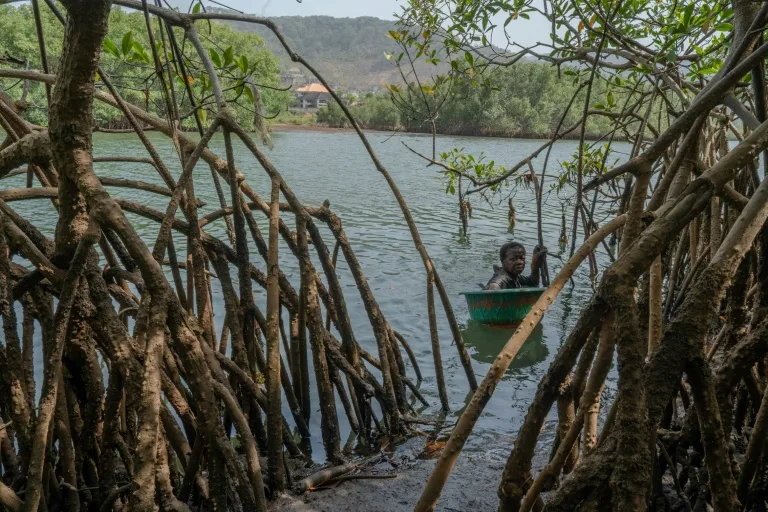
Sierra Leone possesses significant biodiversity and extensive forest ecosystems, making its potential contribution to global conservation efforts particularly noteworthy. The nation's natural environment includes a remarkable variety of species and habitats, contributing to its ecological richness and providing critical natural resources. Sierra Leone has also consistently shown its dedication to environmental protection and climate action, reflecting a deep-seated commitment to preserving its natural heritage. This commitment is reflected through its national conservation policies, which aim to safeguard its unique ecosystems, and its active involvement in international cooperation initiatives focused on protecting its natural resources and addressing global climate concerns. These efforts demonstrate Sierra Leone's readiness to engage with and contribute to international conservation platforms like the IBCA.
Benefits of IBCA Membership
Participation in the International Big Cat Alliance (IBCA) framework offers Sierra Leone valuable opportunities for international cooperation, capacity-building, technical exchanges, and access to best practices in biodiversity conservation. Engaging with the IBCA would allow Sierra Leone to leverage global expertise and resources to enhance its own conservation programs and protect its diverse wildlife. The IBCA also functions as a platform for sustainable development, supporting key sectors such as tourism, which can benefit from well-managed ecosystems, agriculture, water management, and the improvement of rural livelihoods. These areas are directly impacted by ecological health and can be strengthened through integrated conservation and development approaches. India has expressed a strong commitment to sharing its expertise in various critical areas, including wildlife management, biodiversity conservation, the implementation of digital monitoring systems, afforestation initiatives, and sustainable ecosystem management with partner countries across Africa. This knowledge exchange aims to significantly enhance conservation efforts and promote ecological balance within the continent, providing tangible benefits and fostering a collaborative environment for environmental stewardship.