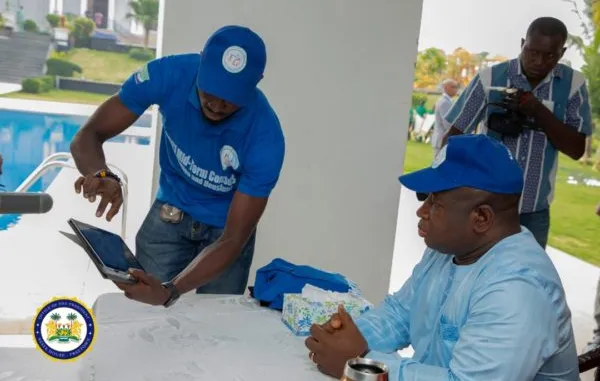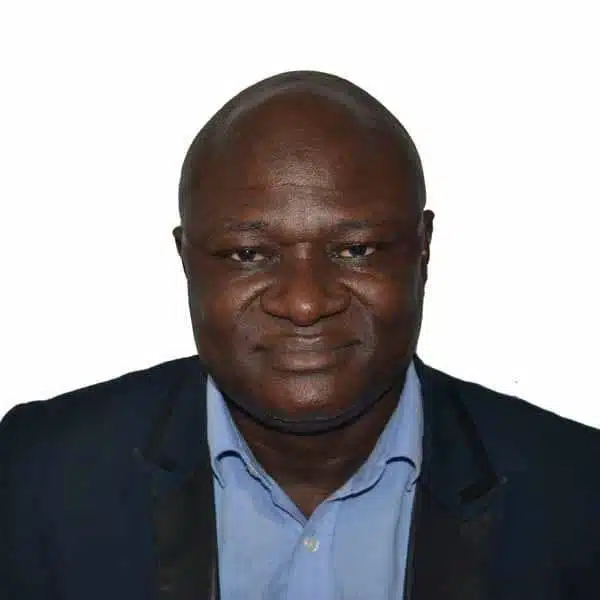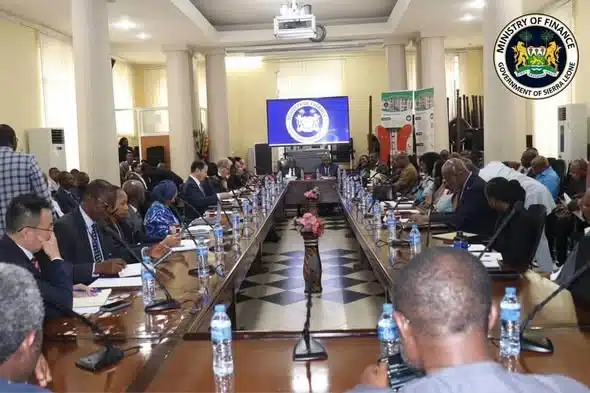
Sierra Leone’s government Chief Minister, Dr. David Moinina Sengeh, recently issued instructions to the Minister of Social Welfare, Mrs. Melrose Karminty, regarding the establishment of a care home for the aged. A video showed Dr. Sengeh directing Mrs. Karminty on the initiative, capturing the specific moment of the directive. This public instruction shows an emerging focus within the government on elder care provisions in the country, signaling a clear governmental priority in this area.
The Growing Youth Crisis
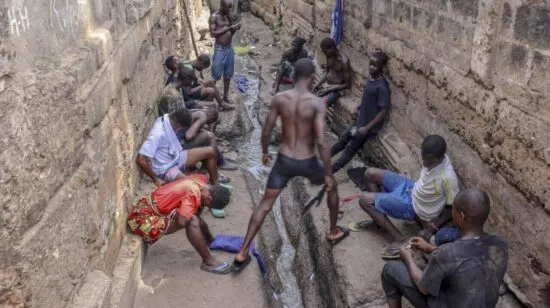
The author questions the lack of similar urgency for young people scattered across Freetown's streets, many of whom are affected by drug abuse, homelessness, and hopelessness. This disparity in focus raises significant questions about the government's overall approach to social welfare. The prevalence of substances such as Kush and tramadol among the youth exposes a deeper social problem within Sierra Leone, indicating a crisis that extends far beyond individual choices. These forms of substance abuse are not isolated incidents but rather symptoms of systemic challenges that contribute to the vulnerability of the younger population. The author suggests that while elder care is gaining governmental attention, the crisis facing the youth requires comparable, if not greater, immediate intervention and resources. The situation notes a significant disparity in focus, as a considerable segment of the younger generation continues to struggle with critical social and health issues without apparent high-level governmental directives that match the visible urgency seen for elder care. This ongoing struggle among the youth presents a pressing societal challenge that demands full and immediate action.
Government's Stated Response
President Bio’s Human Capital Development agenda reportedly aims to protect vulnerable populations and reintegrate displaced youth into social protection systems. This agenda speaks to a broader commitment to societal well-being and the establishment of supportive structures for all citizens. President Bio has called for a full response to the issue of drug abuse, acknowledging the widespread impact it has on the nation, particularly its youth. This response includes several key components designed to tackle the problem from multiple angles: prevention strategies to halt the initiation of drug use, treatment for those already afflicted, rehabilitation programs to aid recovery, and reintegration efforts to help individuals return to society as productive members. Additionally, the President’s plan emphasizes skills development and employment support, recognizing that economic opportunities are key for sustained recovery and preventing relapse. The President's statements indicate a recognition of the multifaceted challenges posed by drug abuse, particularly among the youth, and outline a strategy for addressing these issues through various governmental and social interventions aimed at fostering a healthier and more productive young population.
Author's Call for Action
The article asserts that Sierra Leone requires both full care for its elderly population and strong opportunities for its young people. It suggests that a prosperous nation cannot be established if an entire generation is lost to addiction, homelessness, and despair, emphasizing that the well-being of both demographics is intrinsically linked to national development.
For vulnerable youth, the article argues for the establishment of coordinated national programs. Such programs should encompass safe accommodation to provide immediate stability, medical and psychosocial support to address the deep-seated health and mental well-being issues, and rehabilitation services tailored to the specific needs of young people struggling with substance abuse. Additionally, these programs should include initiatives for family reconnection, recognizing the importance of familial support in recovery, and focus on developing skills essential for economic reintegration, thereby equipping young people with the tools for self-sufficiency.
The author states that government responsibility entails demonstrating tangible results rather than merely announcing intentions, showing the need for concrete action and measurable outcomes. Young people, the author adds, need institutions to support them until they are capable of becoming self-sufficient, noting the critical role of sustained governmental and societal structures in nurturing the next generation. This call to action emphasizes that true progress requires more than policy statements; it demands dedicated resources and visible commitment to the nation's most vulnerable populations.