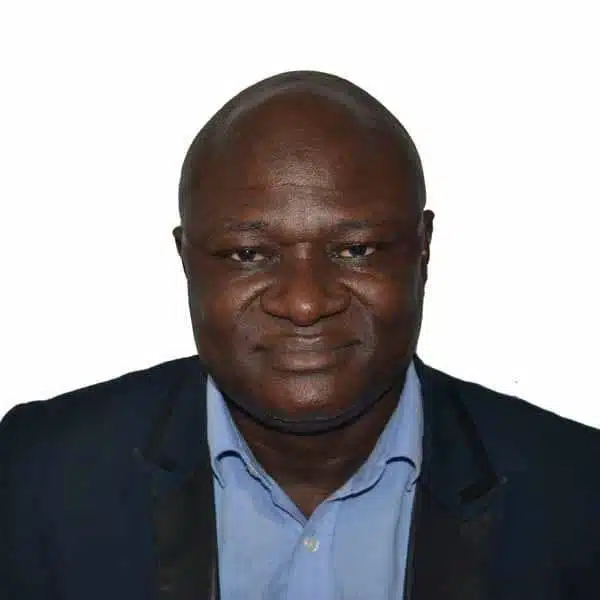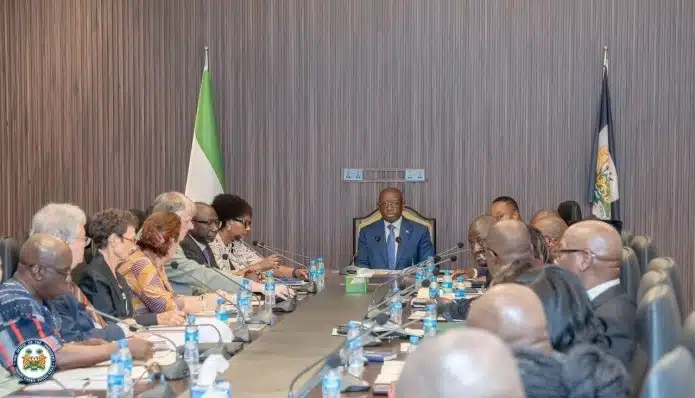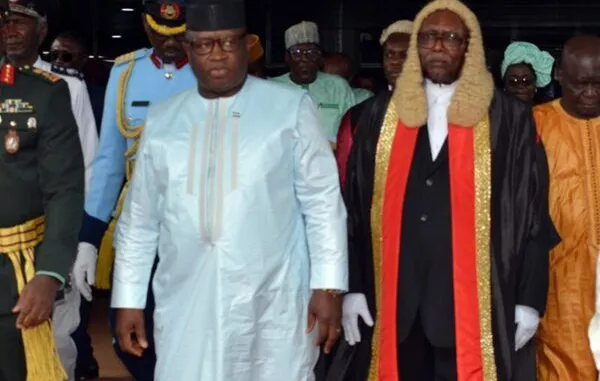
President Julius Maada Bio has formally referred the controversial Constitutional (Amendment) Bill to the Supreme Court for a judicial opinion. This significant action by the President, taken in Sierra Leone, West Africa, pertains to the proposed legislation that has generated widespread discussion and debate across the nation. The referral explicitly seeks clarity on the bill's constitutionality from the nation's highest judicial body. The decision to involve the Supreme Court was reported on September 15, 2026, marking a key moment in the legislative process surrounding the amendments.
Parliamentary Dispute and Public Debate
The Constitutional (Amendment) Bill has been the subject of intense public debates, noting significant divisions within the nation concerning the proposed legislation. These discussions have unfolded in various public forums, reflecting the deep interest and concern among citizens regarding the future of the country's constitutional framework.
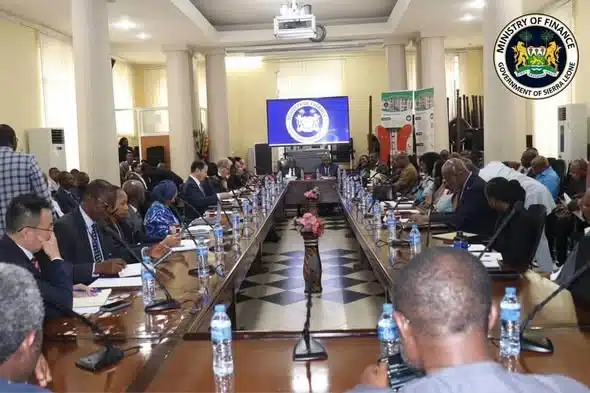
A notable incident occurred when a televised row erupted in parliament following the Speaker's declaration that the Bill had passed. This dispute arose because the government had not secured the required two-thirds majority of all elected Members of Parliament attending and voting. This procedural threshold is a fundamental requirement for the lawful passage of such a significant constitutional amendment, and its apparent bypass fueled immediate controversy and questions about the legitimacy of the parliamentary proceedings. The parliamentary session was characterized by heated exchanges and procedural challenges, showing the deep divisions among lawmakers regarding the proposed changes.
Government's Rationale and Unprecedented Move
The government has explicitly stated that the reasons for the referral are the pressing need for constitutional clarity and the desire to foster national consensus regarding the Bill. This action marks a significant step in addressing the legislative dispute that has engulfed the proposed amendments since their introduction. The government has described the move to refer the Constitutional (Amendment) Bill to the Supreme Court as "unprecedented." This characterization notes the unusual nature of a presidential referral of a bill that has already undergone parliamentary proceedings to the highest court for a judicial opinion. The decision shows the administration's stated commitment to upholding constitutional principles and ensuring due process amidst the considerable public and parliamentary controversy that has surrounded the bill. This referral is intended to provide a definitive legal interpretation, thereby aiming to resolve the constitutional questions that have been raised.
Seeking Clarity and Consensus
Concerns about the Constitutional (Amendment) Bill's implications for Sierra Leone’s democratic governance have been voiced by various stakeholders across the country. Civil society organizations, legal experts, and political actors have all raised issues regarding the proposed legislation. These diverse groups have particularly focused on how the bill might affect the country's established democratic processes and institutions, emphasizing the potential for long-term impacts on the nation's political landscape.
The referral to the Supreme Court by President Julius Maada Bio therefore comes amidst a broader public discourse and expert scrutiny regarding the potential long-term effects of the amendments. The legal review by the nation's highest court is now expected to address these specific concerns, aiming to provide a definitive constitutional interpretation that could either allay or validate the existing apprehensions. This judicial review is seen as a critical step in providing an authoritative assessment of the bill's compliance with the existing constitutional framework, a process that many hope will bring much-needed legal certainty to the contentious issue.
Broader Implications for Governance
The controversy surrounding the Constitutional (Amendment) Bill extends beyond procedural matters and into the realm of political intentions. Many individuals within Sierra Leone openly accuse President Julius Maada Bio of attempting to use the Bill to extend his tenure in office. Critics suggest that this move would effectively deny opposition parties a fair chance at victory in the upcoming 2028 elections, thereby undermining the principles of democratic competition. These accusations, according to reports from within the country, contribute to the intense scrutiny and public debate surrounding the president's decision to refer the bill to the Supreme Court. The outcome of the Supreme Court's judicial opinion is therefore anticipated with keen interest, as it holds the potential to significantly shape Sierra Leone's political future and the integrity of its democratic institutions.