Sierra Leone's Ministry of Finance, in collaboration with the Ministry of Planning and Economic Development, has officially initiated the preparation process for the nation’s Fiscal Year 2027 Budget. This significant undertaking marks the formal commencement of the government's financial planning cycle for the upcoming fiscal period, Fiscal Year 2027. The Ministry of Finance, working closely with the Ministry of Planning and Economic Development, announced the commencement of this key process, setting the stage for the country's economic blueprint. This full process involves various stakeholders from both governmental and non-governmental sectors and aims to meticulously outline the country's economic priorities and resource allocation strategies for the year ahead. The collaborative effort shows the government's commitment to strategic and inclusive financial management.
Key Dates and Procedures
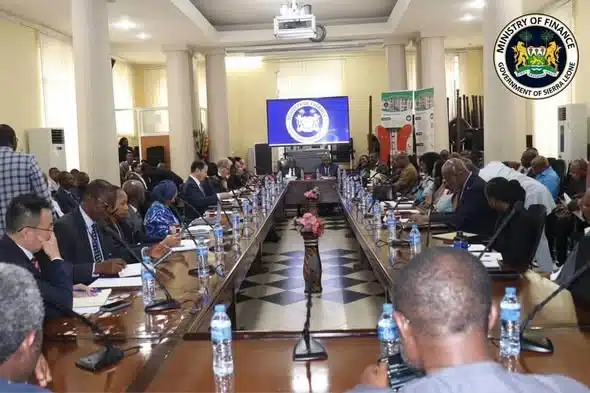
National Policy Hearings are scheduled to take place on Wednesday, September 16, 2026, commencing promptly at 9:00 a.m. The venue for these important discussions will be the Miatta Civic Centre, situated within the Youyi Building in Freetown. Attendance at this key policy hearing is strictly restricted to specific government officials to ensure focused and productive deliberations. These officials include Ministers, Deputy Ministers, Professional Heads, and Vote Controllers from various government entities. Additionally, two Budget Committee members from each respective institution are required to attend, bringing their specialized insights to the discussions. This controlled attendance aims to streamline decision-making and ensure high-level engagement.
Following the policy hearing, a series of Bilateral Budget Discussions for all Ministries, Departments, and Agencies (MDAs) will occur daily, spanning from September 21 to October 3, 2026. These intensive discussions are scheduled to take place between 8:30 a.m. And 6:00 p.m. Each day at the Miatta Civic Centre Rooms, providing ample time for detailed review and negotiation. To facilitate these discussions, government institutions have been explicitly instructed to submit 50 copies of their full strategic plans and budget proposals. These critical documents must be delivered to the Budget Bureau of the Ministry of Finance at least two days prior to their scheduled bilateral discussions, allowing for preliminary review. All presentations delivered during these bilateral discussions are required to be prepared and presented using Microsoft PowerPoint, ensuring a standardized and professional format for all submissions.
Strategic Planning Requirements
Government institutions have been advised to prepare detailed strategic plans as an integral part of the budget process. These plans are required to contain realistic and achievable programs, ensuring practicality and feasibility in their implementation. The programs outlined within these strategic plans should be meticulously designed to support key Government priorities. This alignment is key to ensure that all departmental initiatives contribute directly to the broader national development agenda. These programs must align smoothly with the Medium-Term National Development Plan, reinforcing a cohesive and forward-looking approach to national development. This emphasis on strategic alignment ensures that budgetary allocations are directed towards achieving defined national objectives.
Stakeholder Engagement
The Ministry of Finance has proactively extended invitations for consultative meetings to a broad and diverse range of stakeholders. These invitations include representatives from key Development Partners, whose contributions are vital for national growth. Non-Governmental Organisations (NGOs), often at the forefront of community-level initiatives, have also been invited to participate, ensuring their perspectives are integrated. District Budget Oversight Committees, which play a key role in local governance and accountability, are expected to contribute. Government Accountability and Civil Society Organisations, along with other Non-State Actors, have also been specifically asked to participate in the process. This extensive engagement aims to ensure a full and inclusive approach to the budget preparation, incorporating diverse perspectives from various sectors of society. The active participation of these varied groups is intended to foster greater transparency and accountability in the allocation of national resources for the upcoming fiscal year, ultimately leading to a more strong and equitable national budget.