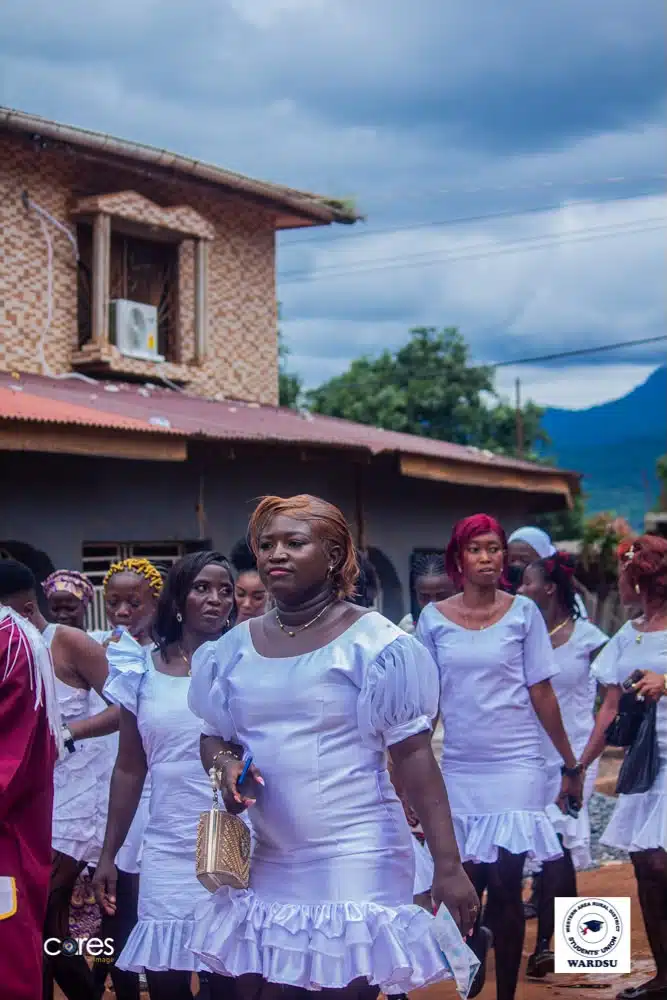
The Western Area Rural District Students’ Union (WARDSU) graduated 30 girls and young women on Sunday, September 6, 2026, after they completed a month-long livelihood and skills-development programme. The graduation ceremony was held on Sunday, September 6, 2026, at the Western Area Rural District Council in Waterloo. This initiative aimed to help beneficiaries establish small businesses, earn sustainable income, and improve their financial independence, fostering greater economic autonomy for the participants.
Skills and Support Provided
Participants in the programme received practical training in a range of income-generating activities. These included gara tie-dyeing, liquid and bar soap production, bead-making, and the creation of bags and slippers, along with other valuable income-generating skills. The skills development initiative aimed to provide tangible means for the young women to establish their own small enterprises, equipping them with the tools necessary for self-sufficiency.
The entire programme was made possible through the support of Purposeful, which provided funding via its MOVE Grant. This financial backing enabled the full training and operational aspects of the initiative, ensuring that all participants could benefit without financial burden. Beyond vocational skills, the programme also facilitated the establishment of Village Savings and Loan Associations. These associations are designed to foster financial literacy, encourage collective saving, and provide access to small loans for the participants, further supporting their entrepreneurial ventures and financial independence by creating a sustainable financial ecosystem.
Empowerment and Financial Independence
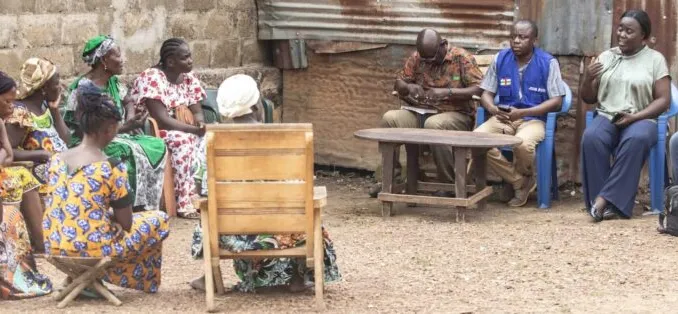
Western Area Rural District Students’ Union (WARDSU) President Memunatu Tity Sannoh reported that the graduates had successfully established functional savings groups, complete with defined leadership structures. This development is intended to foster collective financial management and support among the participants, creating a strong network for mutual assistance. President Sannoh disclosed that these functional savings groups are already actively managed by the graduates themselves, demonstrating their commitment to the programme's long-term goals. The programme emphasizes not only individual skill acquisition but also the creation of supportive community networks to sustain economic activities, ensuring lasting impact.
Several graduates shared their experiences regarding the programme's impact. Blessing Fudia Sesay, Haja Sallamatu Kamara, and Kadiatu Gibril Kamara were among those who provided testimonies. Their accounts noted how the training had equipped them with practical skills and the confidence to pursue independent livelihoods, transforming their economic outlook. The testimonies showed the initiative's role in building capacity for self-reliance and improving economic prospects for young women in the district, offering them a pathway to a more secure future.
Voices of Impact and Future Growth
Aminata Sesay, a beneficiary of the skills training program, expressed optimism about the initiative's potential to foster self-reliance among young women. The program's focus on practical skills such as gara tie-dyeing and soap production is designed to equip participants with tangible means for income generation, enabling them to contribute meaningfully to their households. Emmanuel Kailie Ellie, the General Secretary of the Western Area Rural District Students’ Union (WARDSU), noted the importance of such programs in addressing youth unemployment and promoting economic stability within the district. He emphasized the ongoing commitment of WARDSU to support its members and the wider community through similar empowerment initiatives, aiming for broader societal benefit.
Mariama Bah, another participant, noted the collective strength found in the newly formed Village Savings and Loan Associations. These groups are intended to provide a continuous support system, enabling sustained economic activity and financial independence beyond the initial training period, fostering a sense of community and shared purpose. Ibrahim Marvel Kamara, the WARDSU Financial Secretary, underlined the long-term vision of the program, which aims to create a network of economically active women capable of contributing to their households and the local economy, thereby strengthening the entire community. Eric Scientist Koroma, the Social Secretary, added that the success of the initial cohort would serve as a model for future expansions of the program to reach more young women in the Western Area Rural District, ensuring its positive impact multiplies across the region.