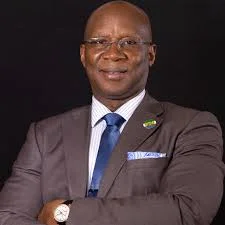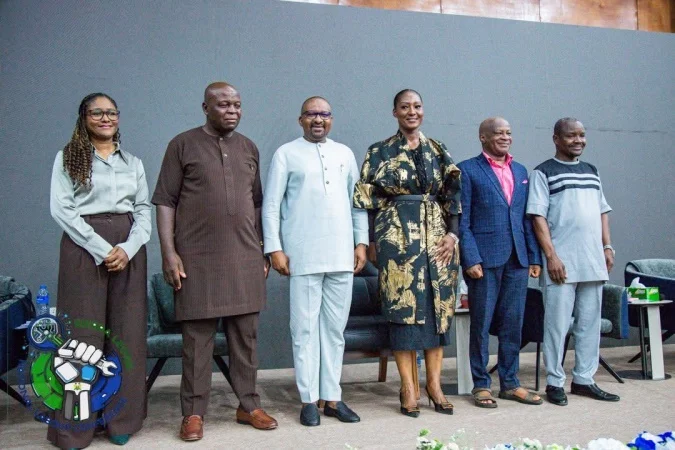
Kobi Walker, President and Chairman of the Sierra Leone Employers Federation, stated that modernizing labor laws is key for the country's digital economy during the National Labour Conference and Social Dialogue 2026, held on May 1, 2026, at the Miatta Conference Centre. The event, themed “Challenges and Opportunities of Decent Work in the Digital Era,” addressed the evolving nature of employment and was convened by the Ministry of Employment, Labour and Social Security Sierra Leone in collaboration with the Sierra Leone Employers Federation (SLEF) and the Sierra Leone Labour Congress. Mr. Walker emphasized the need to adapt regulations, noting, "This conference comes at the right time." He noted the complexities of gig economy employment, stating, "In many cases, workers are classified as independent contractors, yet platforms still control pricing, performance standards and access to customers." Vice President Dr. Mohamed Juldeh Jalloh was also present at the conference, showing the government's recognition of the critical issues being discussed. Mr. Walker added, "The choices we make today will shape the labour market of tomorrow. If we invest in skills, modernize policies and protect workers’ rights, we can turn today’s challenges into tomorrow’s opportunities."
Digital Work Challenges Emerge
Digital employment encompasses a broad range of activities, including remote work, online freelancing, e-commerce, app-based transport and delivery services, digital marketing, and software development. These new models of work frequently blur the traditional lines of the employer-employee relationship, leading to situations where individuals are often classified as independent contractors rather than direct employees. This classification presents specific challenges, particularly in determining end-of-service benefits for workers engaged in such non-traditional employment. The irregular nature of their hours and fluctuating incomes complicate the calculation and provision of benefits typically associated with formal employment. This ambiguity in employment status also impacts access to social security, health insurance, and other protections traditionally afforded to employees.
The rapid expansion of the digital economy necessitates a full review of existing labor frameworks to ensure they remain relevant and effective. Emerging work models often blur the traditional employer-employee relationship, creating difficulties in applying conventional labor laws. For instance, the lack of a clear employer-employee relationship can leave workers vulnerable to exploitation, with limited avenues for redress in disputes over wages, working conditions, or unfair termination. The shift towards these flexible work arrangements necessitates a re-evaluation of current labor frameworks to ensure adequate protections and entitlements for all workers. Employers and policymakers face the task of adapting regulations to address these evolving employment dynamics, aiming to strike a balance between fostering innovation and safeguarding workers' rights. The challenges exist particularly in determining end-of-service benefits for workers in non-traditional employment due to irregular hours and fluctuating incomes.
Advocating for Inclusive Reforms
Kobi Walker called for the urgent modernization of Sierra Leone's labor laws to address challenges emerging from the digital economy. These reforms, according to Mr. Walker, should include the recognition of digital work within national labor laws, the establishment of clear criteria for determining employment status, and the implementation of digital systems for tracking contracts and working hours. He stated that "in many cases, workers are classified as independent contractors, yet platforms still control pricing, performance standards and access to customers." Such reforms are vital to provide clarity for both employers and workers, reducing exploitation and ensuring fair practices across the digital labor market. Clear criteria for employment status would help differentiate between genuine independent contractors and those who, despite their classification, operate under conditions akin to traditional employment.
Mr. Walker also advocated for the creation of portable pension schemes and the strengthening of existing labor inspection mechanisms. Portable pension schemes are particularly important for digital workers who may move between various platforms or short-term contracts, ensuring their contributions are not lost and they can build up retirement savings regardless of their employment fluidity. Strengthening labor inspection mechanisms would enable better enforcement of new and existing labor laws, protecting workers from unfair practices and ensuring compliance by digital platforms and employers. He emphasized that the conference served as a reminder of the dignity of labour and the collective responsibility to create fair opportunities for all. "This conference comes at the right time," he remarked, showing the urgency of the discussions. Ongoing labor reforms in Sierra Leone include the Employment Act 2023, the Work Permit Act 2023, the Overseas Employment and Migrant Workers Act 2023, and the Trade Union and Industrial Relations Act 2024. These legislative efforts signify a proactive approach by the government to update its labor framework in anticipation of and response to the changing world of work. Mr. Walker concluded, "The choices we make today will shape the labour market of tomorrow. If we invest in skills, modernize policies and protect workers’ rights, we can turn today’s challenges into tomorrow’s opportunities."
Conference Activities and Purpose
The National Labour Conference and Social Dialogue 2026 convened on May 1, 2026, at the Miatta Conference Centre. This event was a joint initiative, organized by the Ministry of Employment, Labour and Social Security Sierra Leone in collaboration with the Sierra Leone Employers Federation (SLEF) and the Sierra Leone Labour Congress. The theme of the conference was “Challenges and Opportunities of Decent Work in the Digital Era,” reflecting the critical issues at hand. Vice President Dr. Mohamed Juldeh Jalloh attended the conference, signifying the government's engagement with the discussions and its commitment to addressing labor market challenges. The proceedings featured a diverse agenda designed to foster full dialogue on labor issues. Activities included focused panel sessions where experts and stakeholders discussed various aspects of the digital economy's impact on employment, such as the implications for social protection, skills development, and worker representation. Additionally, the conference facilitated broader stakeholder engagements, allowing representatives from different sectors, including government, employers, and trade unions, to contribute their perspectives and collaboratively seek solutions. A key component of the event was also a job fair, aimed at connecting job seekers with potential employers and opportunities, thereby directly addressing employment needs within the digital and traditional sectors. The conference served as a reminder of the dignity of labour and the collective responsibility to create fair opportunities for all.