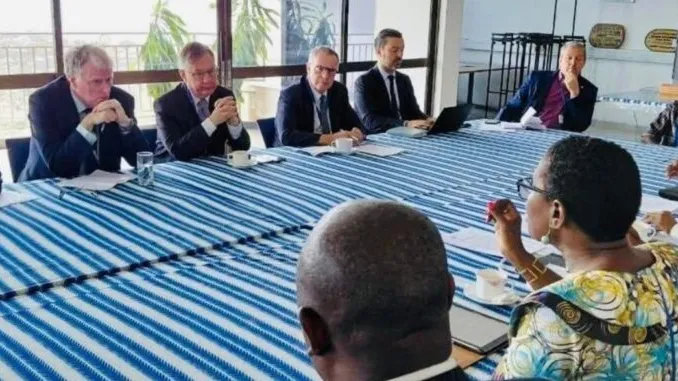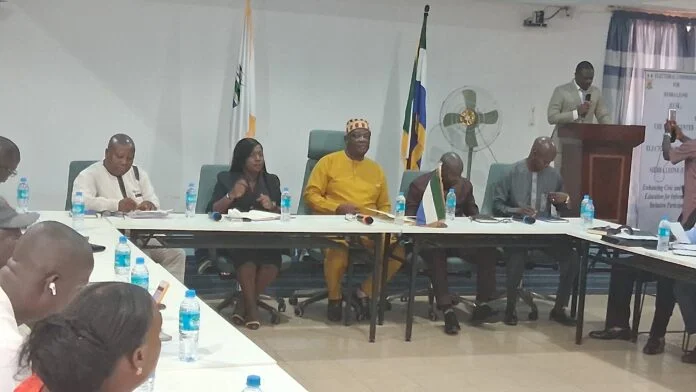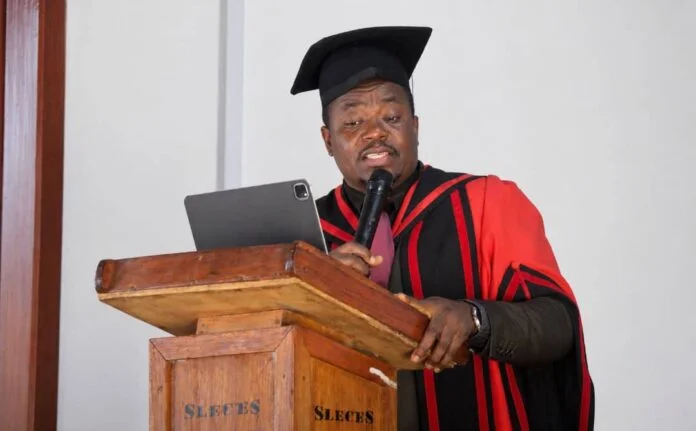
Njala University’s Bo Campus in Towama hosted a colorful and dignified ceremony on April 29, 2026, welcoming His Royal Majesty, Professor Epiphany Chigbogu Azinge, the Asagba of Asaba, to forge academic and bilateral ties. This significant event, marked by its colorful and dignified proceedings, showed a mutual commitment to fostering deeper connections between academic institutions and traditional leadership. Professor Rashid Ansumana characterized the visit as a milestone in strengthening relations between Sierra Leone and Nigeria, emphasizing its importance for future collaborations. He stated, "We receive you not only as a guest, but as a partner in raising minds, preserving what must not be lost, and building bridges between Sierra Leone and Nigeria." The visit aims to create a key bridge between education and tradition, recognizing the vital role both play in societal advancement. Professor Ansumana also remarked, "The world does not remember those who arrive quickly. It remembers those who arrive prepared," a message intended to inspire both faculty and students.
Significance of the Royal Visit
Engagements such as the recent royal visit are considered essential for fostering regional unity and intellectual collaboration throughout West Africa. These interactions serve as vital platforms for dialogue and partnership, promoting a shared vision for progress across the sub-region. There is an expressed call for sustained collaboration and stronger institutional ties to be developed between Njala University and the Asaba Kingdom following the visit, noting the potential for long-term benefits. The royal visit is anticipated to leave a lasting legacy within the university community, signifying a commitment to long-term partnerships that extend beyond a single event. This commitment includes exploring avenues for joint research, student exchange programs, and cultural initiatives. Universities, it is argued, must remain at the forefront of national transformation. This involves actively generating solutions to societal challenges, contributing effectively to justice systems, and amplifying African narratives through dedicated research and scholarship. The presence of His Royal Majesty, Professor Epiphany Chigbogu Azinge, shows these objectives as Njala University seeks to strengthen its role in regional development and academic exchange, reinforcing the idea that academic institutions are key drivers of progress.
The Asagba of Asaba: A Scholar-King
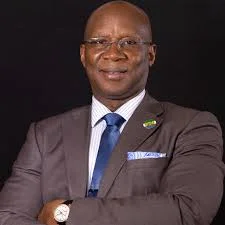
The presence of His Royal Majesty, Professor Epiphany Chigbogu Azinge, the Asagba of Asaba, at Njala University symbolized a powerful convergence of academic excellence and traditional leadership. This unique blend of roles brings a distinctive perspective to discussions on educational and diplomatic relations. The monarch is described as a distinguished scholar, an eminent legal authority, and a revered traditional ruler, embodying a rare combination of intellectual prowess and ancestral wisdom. His journey to the throne reflects years of discipline, a commitment to scholarship, and dedicated service to his community and nation. This personal history provides a powerful example of leadership grounded in profound knowledge and ethical principles.
Before ascending to kingship, the Asagba of Asaba made significant contributions to both law and academia, earning respect and recognition in various intellectual circles. These contributions are regarded as an inspiring testament to the fusion of knowledge and leadership within his royal personage, demonstrating that intellectual pursuits and traditional responsibilities can coexist and mutually enrich each other. The intersection of these roles notes a unique perspective brought by the monarch to discussions on academic and bilateral ties, allowing for a holistic approach to partnership building. His background as a scholar and legal expert provides a strong foundation for fostering educational partnerships and cultural exchanges, promising a deeper understanding and more effective collaboration between the institutions involved.
Njala University's Strategic Advancements
Njala University is actively making advancements in higher education across Sierra Leone, focusing on several key areas of development to enhance its impact and reach. The institution is currently strengthening its College of Medical Sciences, an initiative aimed at enhancing medical training and healthcare provision within the country by producing highly skilled medical professionals. Concurrently, efforts are underway to expand the Department of Law, seeking to broaden its curriculum and impact on legal education, thereby contributing to a more strong justice system in Sierra Leone. Njala University is deepening its investments in research and innovation, a move designed to foster scientific discovery and technological progress that addresses local and regional challenges. These strategic advancements show the university's commitment to improving academic offerings and contributing to national development, positioning itself as a central pillar of intellectual and societal growth. The expansion of these critical departments and increased focus on research are central to Njala University’s long-term vision for academic excellence and societal impact, ensuring it remains a relevant and influential institution.
Lessons for Students and Future Collaboration
The Deputy Vice Chancellor, Professor Rashid Ansumana, showed the significance of the visit, stating, "We receive you not only as a guest, but as a partner in raising minds, preserving what must not be lost, and building bridges between Sierra Leone and Nigeria." This statement encapsulates the profound aspirations for the partnership, extending beyond mere formality to a genuine commitment to mutual growth and understanding. The royal visit is expected to reinforce the enduring bonds of cooperation, knowledge exchange, and cultural diplomacy between Sierra Leone and Nigeria, fostering a spirit of shared progress. Professor Ansumana also advised students to prioritize preparation, discipline, and personal development over the pursuit of instant success, emphasizing the long-term rewards of diligent effort. He remarked, "The world does not remember those who arrive quickly. It remembers those who arrive prepared," a poignant message encouraging students to invest in their education and personal growth for lasting impact. The call for sustained collaboration and stronger institutional ties between Njala University and the Asaba Kingdom is a direct outcome of this visit, paving the way for future joint ventures and academic exchanges that will benefit both nations.