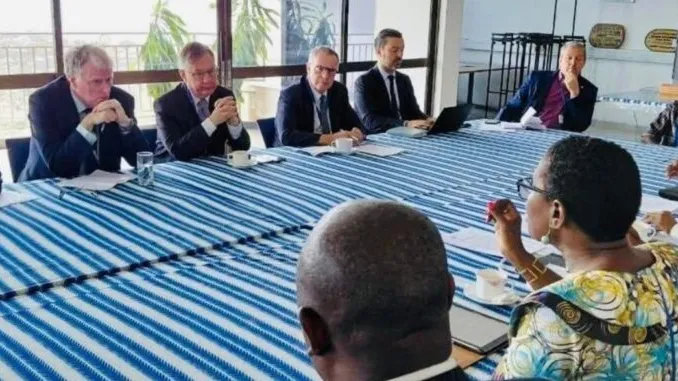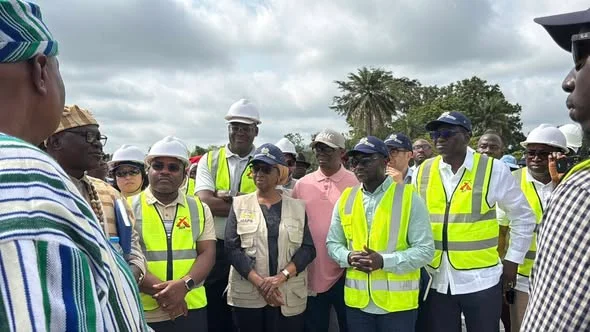
A high-level mission from the World Bank recently expressed satisfaction with the ongoing construction works on the Manowa Bridge in Sierra Leone's Kailahun District. This positive assessment shows the significant strides being made in a key infrastructure project designed to uplift rural communities. The project, which includes 250-meter accompanying approach roads, is a key infrastructure development poised to transform connectivity and economic opportunities in the region. The World Bank's endorsement notes the progress achieved in the region, signaling confidence in the project's execution and its potential for long-term impact on the lives of thousands. Such an affirmation from a global financial institution like the World Bank often serves as a strong indicator of a project's adherence to international standards and its alignment with broader development goals for the nation.
Project Significance and Impact
The Manowa Bridge project is characterized as a critical investment aimed at enhancing rural connectivity and fostering agricultural transformation across eastern Sierra Leone. This initiative is strategically designed to address long-standing challenges related to access and transportation, which have historically hindered economic growth and social development in the area. By improving the ease of movement for people, goods, and services, the project is expected to unlock the agricultural potential of the region, allowing farmers to more efficiently transport their produce to markets and access essential inputs. The initiative has already provided benefits to 155,632 direct beneficiaries within the region, demonstrating its immediate positive influence even before full completion. These benefits encompass improved access to social amenities, reduced travel times, and enhanced economic prospects for local communities.
A significant portion of these beneficiaries comprises women, with 67,717 females directly impacted by the project. This figure constitutes 44 percent of the total beneficiaries, noting a strong focus on inclusive development. The inclusion of women at this level surpasses the project's initial gender inclusion target, which was set at 40 percent. This indicates a broader reach in terms of gender parity than originally anticipated for the infrastructure development, demonstrating the project's success in ensuring that development benefits are equitably distributed across all segments of the population. The enhanced participation of women in the project's benefits signifies key progress towards empowering female farmers, traders, and community members, offering them greater access to opportunities and services.
World Bank Delegation's Assessment
The assessment of the Manowa Bridge project followed an inspection tour conducted on Sunday, April 26, 2026. This full review allowed the World Bank team to observe the construction progress firsthand and evaluate its alignment with project objectives and timelines. The modern structure, upon completion, is designed to replace the existing manual cable ferry system that currently serves the area. This upgrade is anticipated to significantly improve transport efficiency and safety across the river, eradicating the inefficiencies and potential hazards associated with manual ferry operations. The transition from a manual ferry to a strong bridge represents a monumental leap in infrastructure development for the Kailahun District, promising consistent and reliable passage.
The delegation from the World Bank that conducted the inspection comprised more than nine representatives, indicating a substantial level of interest and oversight in the project's progression. The size and composition of the delegation show the World Bank's commitment to ensuring the successful and timely completion of this vital infrastructure. Their visit aimed to evaluate the ongoing construction and its adherence to established timelines and quality standards for infrastructure development in Sierra Leone. The new bridge is expected to provide a reliable, year-round crossing, contrasting with the operational limitations often associated with manual ferry services, particularly during adverse weather conditions or high water levels. This infrastructure improvement is a key component in supporting rural connectivity and economic development within the Kailahun District, ensuring that communities are no longer isolated by geographical barriers or seasonal changes.
Local and Ministerial Perspectives
The World Bank delegation conducting the assessment was led by Executive Director Zarau Kibwe. Under her leadership, the team engaged with local stakeholders and project implementers to gain a holistic understanding of the progress and challenges. The Manowa Bridge project is part of broader national efforts to modernize rural infrastructure and support inclusive economic growth across Sierra Leone. This project aligns with the government’s strategic vision to enhance connectivity and foster sustainable development in underserved areas. Upon its completion, the project is expected to significantly enhance safety by eliminating the need for ferry crossings, a benefit particularly noted for schoolchildren, farmers, and traders in the region. The reliable and safe passage offered by the bridge will alleviate concerns about accidents and delays, providing peace of mind for daily commuters and economic actors. The new infrastructure is anticipated to facilitate trade and unlock new opportunities for thousands of Sierra Leoneans who are engaged in farming and small-scale commerce, allowing them to expand their reach and improve their livelihoods.
Voices from the Ground
The Manowa Bridge, which spans 180 meters, is expected to significantly enhance regional connectivity, serving as a vital artery for transport and commerce. Foday Musa Nyandebo Gahn, Chiefdom Secretary of the Kailahun Critical Chiefs Council, articulated the profound local impact of the project, stating, "The bridge will transform access to essential services, including healthcare and education, while reducing travel time and associated costs for residents." This sentiment reflects the widespread anticipation among local communities for the tangible improvements the bridge will bring to their daily lives. The project is also anticipated to strengthen economic linkages between Kailahun and the neighboring Kenema District. By providing a dependable connection, the bridge will foster greater inter-district trade and social interaction, creating a more integrated regional economy. These improvements are set to reduce travel times and costs for local communities, thereby improving efficiency and enabling greater participation in economic and social activities. The elimination of the manual ferry system will not only reduce the physical strain of travel but also the financial burden, as residents will no longer incur ferry fees or face lengthy delays that could impact their economic activities.