Sierra Leone's mining sector achieved total mineral exports of USD 1.3 billion in 2025, marking a significant increase in the country's export earnings. This impressive figure represents a 16 percent increase in export earnings compared to 2024, showing a period of strong expansion for the nation's extractive industries. The growth in 2025 alone added a substantial USD 180 million in export earnings within a single year. This strong performance solidifies the mining sector's position as Sierra Leone’s largest source of foreign exchange, playing a critical role in the nation's economic stability and development. The growth trajectory is projected to continue, with total mineral exports estimated to reach between USD 2.0 billion and USD 2.5 billion annually by 2028. This substantial expansion notes the sector's increasing contribution to Sierra Leone's economy, promising sustained economic benefits and development. Over a three-year period, the mining sector has recorded cumulative growth of 44 percent, demonstrating consistent and significant progress.
Key Commodity Performance
Iron ore constitutes approximately 69 percent of Sierra Leone's total mining export value, making it the dominant mineral commodity in the country's export portfolio. This significant proportion shows the strategic importance of iron ore extraction to the national economy. Major operators in the iron ore sector include Kingho Mining Company Limited and Marampa Mines Limited. Both companies contribute significantly to the country's iron ore output and export figures, employing advanced mining techniques and contributing to local economies through employment and supply chains. Their operations are central to maintaining Sierra Leone's strong position in the global iron ore market. The continued investment and operational efficiency of these key players are vital for sustaining the sector's overall growth.
Bauxite production is projected to see a substantial increase, rising from 6.3 million tonnes in 2026 to an estimated 11 million tonnes by 2027. This projected nearly twofold increase in production notes a significant expansion in the bauxite sub-sector. The Mokanji Development Project is identified as a key driver behind this anticipated expansion in bauxite output, signaling strategic investments aimed at boosting production capacity. This project aims to enhance the capacity and efficiency of bauxite extraction, leveraging modern technologies and practices to meet growing international demand. The expansion of bauxite mining is expected to further diversify Sierra Leone's mineral export base and contribute to increased foreign exchange earnings.
Gold production is also forecast to surge dramatically, from 16,000 ounces in 2026 to approximately 380,000 ounces by 2027. This significant increase notes a renewed focus or discovery within the gold mining sub-sector, potentially driven by new exploration successes or the scaling up of existing operations. The expected surge in gold output could position Sierra Leone as a more prominent player in the global gold market, attracting further investment and generating substantial revenue. However, diamond exports continue to experience a decline, a trend attributed to a downturn in global luxury markets affecting demand and prices for the precious stones. This decline in diamond exports presents a challenge for the sector, necessitating a careful assessment of market dynamics and potential strategies for diversification or value addition. The contrasting fortunes of gold and diamonds illustrate the dynamic and sometimes unpredictable nature of global commodity markets.
Revenue and Licensing Growth
Non-tax revenue generated from Sierra Leone's mining sector, which includes license fees and royalties, reached USD 55.8 million in 2025. This figure marks a 13 percent increase compared to the previous year, demonstrating improved revenue collection and increased activity within the sector. This growth in non-tax revenue is a positive indicator of the government's efforts to maximize returns from its mineral resources. Projections indicate a continued upward trend, with non-tax revenue expected to rise further to USD 65 million in 2026, reflecting sustained growth in mining operations and effective fiscal management.
The government issued a significant number of licenses across various scales of mining operations during 2025, signaling a proactive approach to regulating and promoting the sector. This included seven large-scale mining licenses, indicating major new investments or expansions in industrial-scale operations. Additionally, eight small-scale licenses were granted, supporting smaller enterprises and local participation in the mining economy. Twenty exploration licenses were issued, pointing to increased interest in prospecting for new mineral resources and expanding the country's known reserves. The artisanal mining sector also saw substantial activity, with more than 1,000 artisanal mining licenses granted in the same year. This reflects the government's commitment to formalizing and regulating this important segment of the mining industry. Revenue generated from artisanal mining operations increased by 31 percent, noting the economic contribution of this sub-sector and the benefits of its formalization. These licensing efforts are key for ensuring responsible mining practices and maximizing the economic benefits derived from the country's mineral wealth.
Employment and Investment Outlook
More than 15,500 workers are currently engaged in formal mining operations across Sierra Leone, reflecting the sector's significant role in national employment and its capacity to create job opportunities. The workforce demonstrates a high degree of local participation, with over 92 percent of jobs in the mining sector held by Sierra Leonean nationals. This localization of employment notes the direct benefits of mining activities for the country's citizens, fostering skills development and contributing to local livelihoods. This high percentage of local employment also indicates successful efforts in building national capacity within the industry.
Employment in the mining sector is projected to rise further, with forecasts indicating an increase to over 20,000 jobs by 2027. This anticipated growth suggests a continued expansion of mining activities and the creation of additional employment opportunities, offering a positive outlook for the country's labor market. Supporting this expansion, an investment pipeline exceeding USD 500 million is expected to flow into the sector between 2026 and 2028. This substantial investment is poised to drive further development and modernization within Sierra Leone's mining industry, facilitating the adoption of new technologies, infrastructure improvements, and enhanced operational efficiencies. The influx of capital is critical for unlocking the full potential of the sector and ensuring its long-term sustainability and growth.
Ministerial Perspective
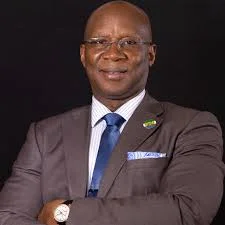
The mining sector recorded a 16 percent increase in export earnings in 2025 compared to 2024, a testament to its dynamic growth and increasing contribution to the national economy. Additionally, figures indicate the mining sector stands as Sierra Leone’s largest source of foreign exchange, showing its key role in the country's balance of payments and overall financial health. Revenue generated from artisanal mining operations increased by 31 percent, reflecting the positive impact of formalization efforts and increased productivity in this key sub-sector. Over a three-year period, the mining sector has shown a cumulative growth of 44 percent, noting a sustained period of expansion and development. Despite these impressive gains, current levels of female participation in the mining workforce remain below the 30 percent benchmark, indicating an area where further efforts are needed to promote gender equality and inclusivity within the industry. Addressing this disparity will be key to ensuring that the benefits of the mining sector's growth are shared more broadly across the population.