Africa accounted for 94% of malaria cases and 95% of malaria deaths globally in 2024, according to World Health Organisation estimates. These figures reflect the persistent burden of the disease across the continent. Children under five years old represented three-quarters of these fatalities across the continent during the same period. Sarah Nankya, a mother of a malaria survivor, says the disease creates a cycle of anxiety for caregivers. "Repeated malaria brings a lot of worry because as a parent, you are always afraid your child may become seriously ill again," Nankya explains. "Sometimes I must leave work or other responsibilities to care for my child, which affects the entire family’s income." She further notes that recovery is often perceived rather than absolute: "When the fever goes down, it does not mean the child is fully okay."
Long Term Cognitive Impact
A 2026 study published in JAMA tracked 889 participants to assess the long-term neurological consequences of severe illness. Researchers found that survivors of childhood cerebral malaria or severe malarial anaemia exhibited lower overall cognitive ability and maths achievement scores 4 to 15 years after their initial diagnosis. These findings indicate that the health impact of the disease extends well beyond the acute phase of infection. The study notes that the neurological manifestations of the disease persist long after the initial clinical symptoms have been addressed by medical intervention.
Sarah Nankya, mother of a malaria survivor, observes the practical consequences of these deficits within the classroom. "My child missed school for over a week because of the illness," Nankya says. "Even after returning, he was still weak and sometimes had difficulty concentrating on his schoolwork." The disruption to a child's educational development is a frequent concern for families navigating the aftermath of a severe malaria diagnosis.
Earlier prospective research conducted by Dr. Paul Bangirana at Makerere University identified similar challenges. Dr. Bangirana found impaired cognition in one in four survivors of childhood cerebral malaria 24 months after their initial illness. This longitudinal data shows the frequency of long-term cognitive challenges among those who survive the most severe forms of the disease. Reflecting on these outcomes, Dr. Bangirana notes, "Survival of malaria is paramount. However, the secondary effects of a severe episode can be debilitating."
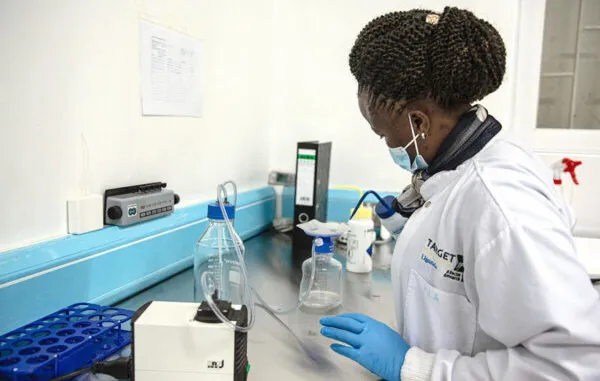
Target Malaria, a not-for-profit research consortium, is currently investigating genetic technologies to address the primary transmission vector. The group is studying methods such as gene drive to reduce malaria-transmitting mosquito populations. By focusing on the mosquito vector itself, the consortium aims to develop sustainable tools to limit the spread of the parasite. The research into gene drive technology represents an effort to provide a long-term solution to the high transmission rates currently observed in affected regions. As the World Health Organisation continues to monitor the global impact of the disease, the intersection of clinical survival and long-term cognitive health remains a critical area of focus for researchers and families alike. The ongoing work of organisations like Target Malaria notes the scientific commitment to reducing the burden of malaria by targeting the underlying vectors that facilitate its transmission.