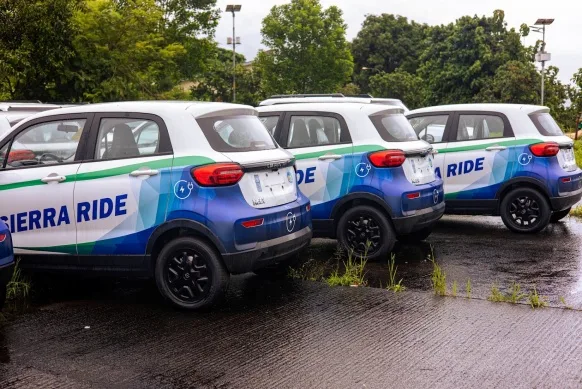
The Sierra Ride Electric Mobility Initiative was announced in Freetown on 21 October 2026. This project functions as a partnership between the United Nations Development Programme (UNDP), the Ministry of Youth Affairs, and the Armed Forces Technical and Education College (AFTEC). The collaborative framework established by the United Nations Development Programme (UNDP), the Ministry of Youth Affairs, and the Armed Forces Technical and Education College (AFTEC) serves as the primary governing body for the rollout of this new transportation network. Director James B. Sandi, speaking on behalf of the Minister of Youth Affairs, said, "Sierra Ride is more than a transportation project." The initiative aims to integrate electric transport solutions into the local infrastructure through the combined efforts of these organizations. Officials confirmed that the collaboration focuses on developing sustainable mobility options within the country. All participating entities have established roles to support the implementation of the new program as it begins its operations in the capital.
Program Scope and Objectives
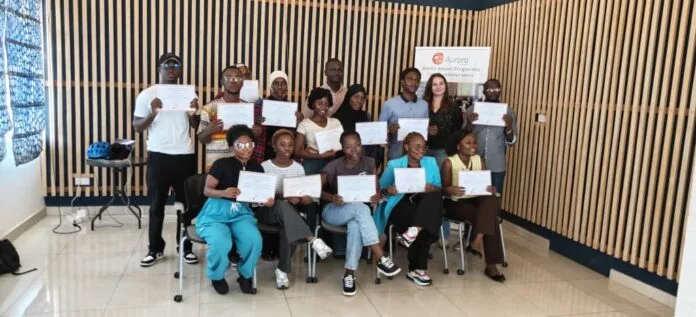
Technical training sessions form a core component of the Sierra Ride program, which is currently preparing 100 young Sierra Leoneans for roles within the new transport network. These individuals are being trained to manage the specific logistical requirements of an electric fleet. Participants undergo a two-week instruction period designed to build proficiency in modern transit operations. This intensive two-week schedule ensures that all 100 young Sierra Leoneans are fully prepared to handle the daily demands of the initiative.
RSLAF Training Commander Issa Bangura stated, "The training will cover road safety, basic vehicle maintenance, responsible vehicle management and practical knowledge required to operate electric vehicles effectively." The instruction provided by the Armed Forces Technical and Education College (AFTEC) is intended to standardize the quality of service across the network. Commander Issa Bangura emphasized that the curriculum is tailored to the unique mechanical and operational needs of the electric vehicles selected for the project.
Operational capacity for the initiative involves an initial fleet of 50 electric vehicles. These units are scheduled to operate throughout Freetown as part of the broader effort to modernize urban transit. The deployment of these 50 electric vehicles marks the first phase of a strategic plan to introduce clean energy solutions into the public transport sector. The program managers expect these vehicles to serve as the foundation for the electric mobility infrastructure being developed by the partnership between the United Nations Development Programme, the Ministry of Youth Affairs, and the Armed Forces Technical and Education College.
As the initiative progresses, the United Nations Development Programme (UNDP) will continue to monitor the performance of the 50 electric vehicles currently assigned to the project. The Ministry of Youth Affairs remains committed to overseeing the integration of the 100 young Sierra Leoneans into the workforce, ensuring that the skills acquired during the two-week training period are applied effectively. By coordinating these resources, the partnership between the United Nations Development Programme (UNDP), the Ministry of Youth Affairs, and the Armed Forces Technical and Education College (AFTEC) aims to establish a sustainable model for urban mobility in Freetown. The current phase focuses on the successful deployment of the initial fleet and the ongoing support provided to the personnel trained under the program.