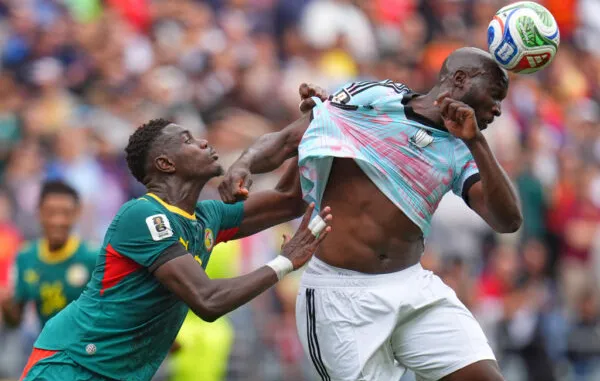
Senegal's national football team was eliminated from the World Cup after a 3-2 loss to Belgium, a result that notes ongoing challenges for African teams on the global stage. Despite the defeat, observers suggest the overall gap between traditional football powerhouses from Europe and South America and other regions has narrowed significantly, particularly evident during the 2022 World Cup. This narrowing gap points to an evolving competitive landscape, even as individual match outcomes continue to pose hurdles for African contenders. The recent match involving Senegal and Belgium serves as a poignant example, where a strong performance ultimately succumbed to late-game pressures, showing areas where African teams still need to develop.
Historical Struggles and Setbacks
African teams have a long history of participation in the World Cup, beginning with Egypt's appearance in 1934 and Morocco's qualification in 1970. This historical journey has been marked by significant challenges and key moments that shaped the continent's representation in global football. One such key moment occurred when African teams collectively boycotted the 1966 World Cup. This action was a protest against FIFA's stipulation that the African champion had to compete in a playoff against a European team that had failed to qualify, a rule widely seen as discriminatory and an unfair obstacle to African participation. This collective stand demonstrated a growing assertiveness from African football federations demanding equitable treatment on the international stage.
Following this boycott and subsequent advocacy, Africa was granted an automatic single slot for the 1970 World Cup, marking a significant turning point for the continent's representation. This achievement was a direct result of the unified stance taken by African nations, paving the way for more consistent presence in future tournaments. However, early appearances often noted a gap in competitive readiness and experience at the highest level. Zaire, now known as the Democratic Republic of Congo (DRC), suffered significant losses in the 1974 World Cup, losing all three of its matches during the group stage. This included a notable 9-0 defeat to Yugoslavia, a result that showed the immense difficulties faced by emerging football nations when confronted with established global powerhouses. These early experiences, while challenging, provided invaluable lessons and a foundation for future development.
Later tournaments also presented tough lessons and moments of heartbreak for African contenders. In the 1994 World Cup, Cameroon experienced a substantial 6-1 loss to Russia, a match characterized by a defensive collapse from the outset that proved insurmountable. This particular game noted the fragility of some African teams when facing sustained pressure from well-drilled European sides. More recently, Ghana's campaign in the 2010 World Cup ended in dramatic fashion during the quarter-finals when Luis Suárez deliberately handled a goal-bound ball in the final moments of extra time, preventing a certain goal. Ghana subsequently missed the resulting penalty kick, denying them a historic semi-final berth and leaving a lasting sense of what might have been. These instances collectively illustrate the historical struggles and setbacks encountered by African teams on the global stage, often marked by moments of tactical vulnerability or unfortunate circumstances.
Recent Progress and Potential
African teams have demonstrated significant strides in recent World Cup performances, hinting at a narrowing gap with established footballing nations. This progress is evident in both individual match displays and overall tournament representation. Senegal notably held a commanding 2-0 lead against Belgium in their World Cup match, maintaining this advantage until the 86th minute before ultimately losing 3-2. This performance, despite the final score, noted periods of strong tactical execution and competitive play against a top-tier European side, showcasing the potential for African teams to dominate portions of high-stakes matches.
The 2022 World Cup marked a particularly notable achievement for African representation, signaling a significant shift in the competitive landscape. In that tournament, nine out of ten African teams successfully qualified for the Round of 32, a testament to the increasing depth of talent and competitive readiness across the continent. This widespread qualification indicates a strong development in football infrastructure and player quality across various African nations. Further showing this progress, Morocco advanced to the Round of 16 in the same tournament by defeating the Netherlands. This victory against a historically strong European team showcased the potential for African nations to not only compete but also to secure decisive results at the highest level of international football, demonstrating their capability to overcome formidable opponents. This performance by Morocco was a clear indicator of the growing prowess and strategic capabilities within African football.
The Need for Tactical Steel
Despite these advancements, more needs to be done to instill steel and a sense of invincibility into top African teams, according to the author. Historical instances continue to highlight how tactical lapses and pressure have affected African teams at critical junctures, often leading to late-game collapses or missed opportunities. In the 1974 World Cup, Zaire's Mwepu Ilunga deliberately kicked the ball away to waste time against Brazil, a move attributed to President Mobutu Sese Seko's threat of severe consequences if the team lost by four goals or more. This extraordinary incident showed the unique and immense pressures faced by some African squads, which could sometimes override conventional tactical considerations. Such external pressures, while perhaps less overt today, can still manifest in different forms, impacting players' decision-making under stress.
Later tournaments continued to reveal tactical vulnerabilities that proved costly. Nigeria's 1998 World Cup campaign saw them lose 4-1 to Denmark after conceding an early goal due to a failure to clear defensive lines effectively. This inability to manage defensive transitions and clear danger zones decisively allowed their opponents to gain an early advantage that proved insurmountable. Similarly, Cameroon held a 2-1 lead against England in the 83rd minute of their 1990 quarter-final match but ultimately lost after conceding an equalizer and then another goal, demonstrating a lapse in maintaining their advantage during the key closing minutes. The Côte d'Ivoire team experienced a similar fate in 2014, when they conceded a 93rd-minute penalty against Greece, resulting in a 2-1 loss and their elimination from the World Cup. This last-gasp concession noted a recurring theme of concentration lapses and tactical errors in critical moments. These events collectively point to a recurring pattern where late-game tactical discipline, mental fortitude, and the ability to manage pressure have been decisive factors against African contenders, often turning potential victories into agonizing defeats. Addressing these aspects will be key for African teams to consistently convert their undeniable talent into sustained success on the global stage.