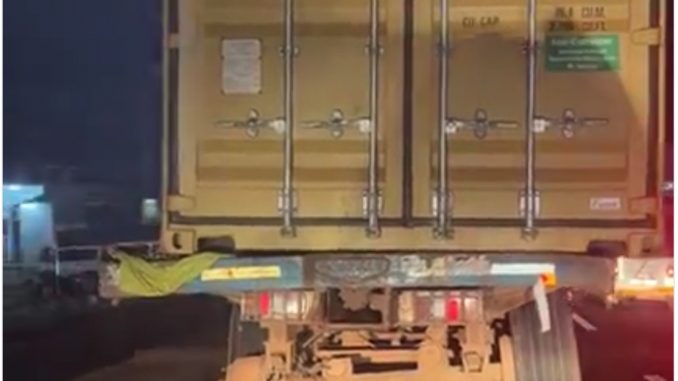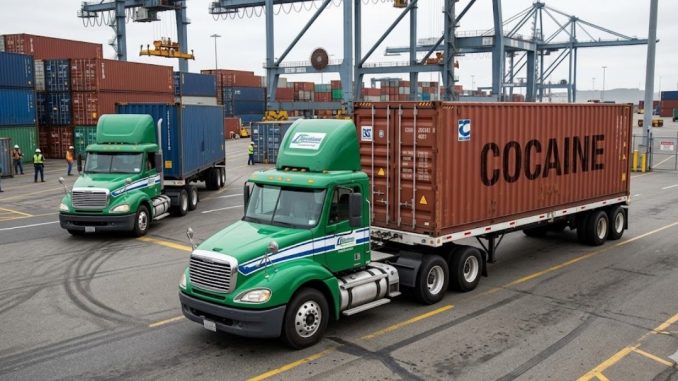
Spanish security forces recently seized up to 45,000 kilos of pure cocaine, an operation directly linked to Sierra Leone. This substantial interdiction shows concerns about the West African nation's increasing role in international drug trafficking. The sheer volume of the seizure, up to 45,000 kilos of pure cocaine, serves as a stark indicator of the scale of illicit narcotics now passing through or originating from Sierra Leone, destined for markets in Europe. International reports explicitly warn that Sierra Leone is becoming a key crossroads for global drug trafficking, especially for cocaine and synthetic drugs. The incident notes the significant and escalating challenges faced by authorities combating the widespread flow of illegal drugs through the region.
Devastating Local Impact
Drug trafficking has profound consequences within Sierra Leone, impacting communities directly and severely. Police in the nation have recorded hundreds of drug-related cases within a single year, reflecting the widespread and growing nature of the problem that permeates society. The synthetic drug known as "Kush" has been particularly destructive, devastating entire communities across the country. Its impact extends beyond individual users, affecting social structures, public health, and the overall stability of local populations. Addressing this crisis is further complicated by the severe lack of resources dedicated to recovery efforts. Rehabilitation services for drug addiction in Sierra Leone are woefully underfunded, hindering effective treatment and support for those struggling with substance abuse. This critical lack of investment exacerbates the local crisis, amplifying the devastating effects stemming from increased drug availability and consumption within the nation. The human cost of this unchecked proliferation is immeasurable, leaving a trail of broken lives and communities.
International Connections
Sierra Leone has been linked to massive drug shipments, including six tonnes of cocaine seized in Europe and traced back to its shores, demonstrating its deep entanglement in global illicit networks. Observers note that drugs slip through Sierra Leone’s porous borders with shocking ease, facilitating the unchecked flow of illicit substances across its territory. This ease of transit makes the country an attractive hub for international criminal organizations. The nation's growing and alarming role in the global drug trade was a central topic at a seminar held in London, which specifically focused on West Africa as a hotspot for drug trafficking. This discussion noted the region's increasing prominence as a critical transit point for international narcotics operations, with Sierra Leone at its heart. The undeniable connection between large-scale seizures in Europe and their origins in Sierra Leone shows the country's alarming integration into sophisticated global trafficking networks.
Allegations of State Capture
Reports allege that international drug kingpins are finding a safe haven within Sierra Leone, purportedly shielded by individuals close to centers of power. This alleged protection contributes significantly to the challenges in combating the illicit drug trade, raising serious questions about governance and corruption. Compared to the extensive scale of the drug crisis, convictions for drug trafficking in Sierra Leone remain few, a stark contrast that points to systemic hurdles in holding perpetrators accountable. The limited number of successful prosecutions suggests deep-seated issues within the justice system, potentially compromised by the very individuals meant to enforce the law. The author attended a seminar at the University of Westminster in London in November 2025, where discussions noted the broader implications of West African nations, including Sierra Leone, becoming increasingly central to global drug routes. The seminar showed profound concerns about the region's vulnerability to criminal networks and the potential for state institutions to be gravely compromised by the immense wealth and influence of drug cartels.
Urgent Need for Action
International reports consistently indicate Sierra Leone is emerging as a critical crossroads for global drug trafficking, particularly for cocaine and synthetic drugs. These urgent warnings highlight the nation's increasing and concerning role in facilitating the movement of illicit substances through West Africa. Addressing this multifaceted crisis requires a concerted effort, both domestically and internationally, to bolster law enforcement, strengthen border controls, and provide much-needed resources for rehabilitation and community support. Without decisive action, Sierra Leone risks becoming even more deeply entrenched in the global drug trade, with dire consequences for its people and its future.