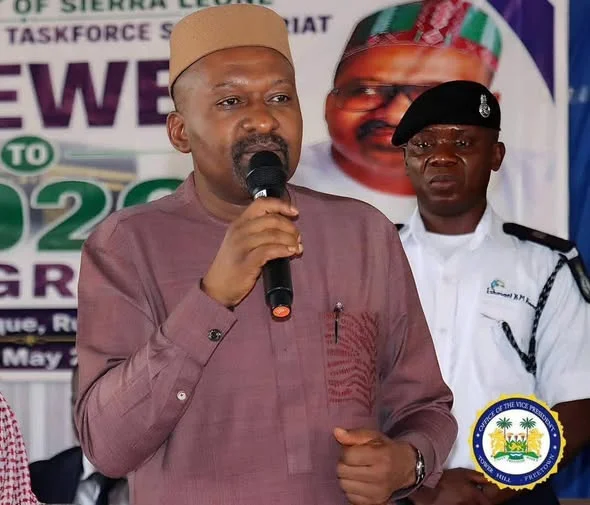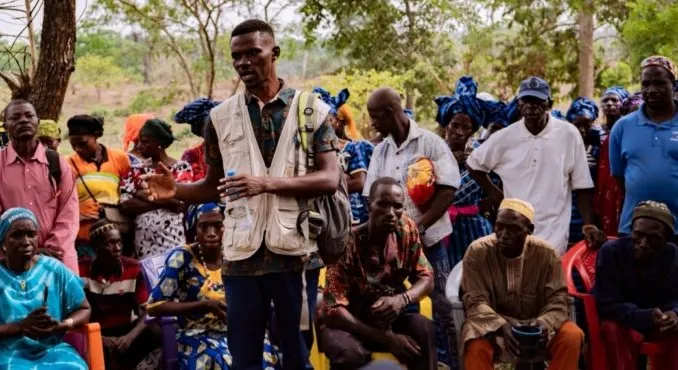
The UN Sustainable Development Cooperation Framework for 2025–2030 outlines the United Nations' support for Sierra Leone’s development aspirations. This full framework serves as a strategic blueprint, guiding the collaborative efforts between the UN and the government of Sierra Leone to achieve sustainable development goals across the nation. UN Resident Coordinator Seraphine Wakana and the Minister of Planning and Economic Development, Mr. Alpha Osman Timbo, recently concluded a series of monitoring visits to development projects across Sierra Leone, observing various sites in April. Their joint monitoring efforts, which showed a commitment to transparency and accountability in project implementation, included a significant visit to Mano Tuba, Bo District, where they observed a project implemented by the Ministry of Agriculture and Food Security with key support from the International Fund for Agricultural Development (IFAD). The delegation concluded its extensive monitoring activities and returned to Freetown on Saturday, May 9th, following the detailed site visits and engagements with local communities and project beneficiaries.
Development Plan Priorities
The United Nations Sustainable Development Cooperation Framework for 2025–2030 is meticulously designed to align with Sierra Leone’s Medium-Term National Development Plan (2024–2030). This alignment ensures that UN support directly contributes to the national priorities and long-term vision articulated by the government of Sierra Leone. The UN framework outlines three primary and interconnected priority areas for its support, each key for the nation's progress.
The first priority area focuses on food systems, natural resource management, and climate change, directly addressing critical environmental and agricultural sustainability challenges facing Sierra Leone. This includes initiatives aimed at enhancing food security, promoting sustainable agricultural practices, and building resilience to the impacts of climate change.
A second priority area is dedicated to human capital, essential services, and employment, aiming to bolster social development and expand economic opportunities for all citizens. This encompasses efforts to improve healthcare, education, and social protection, alongside programs designed to foster job creation and enhance livelihoods.
The third area emphasizes governance and economic transformation, seeking to strengthen institutional frameworks, promote good governance, and drive inclusive economic growth within the country. This involves supporting reforms, enhancing public sector efficiency, and encouraging private sector development. The framework’s deep alignment with the national development plan shows a joint, coordinated strategy to address Sierra Leone's key development challenges comprehensively and effectively, ensuring that resources are channeled towards the most impactful interventions.
Project Site Visits Detailed
The joint monitoring delegation undertook a full tour, visiting several districts across Sierra Leone as part of its thorough assessment of ongoing development projects. These districts included Port Loko, Kambia, Bombali, Kono, Koinadugu, and Falaba, reflecting a broad geographical scope of their monitoring activities. In Moyamba, the team observed the World Bank–UNOPS Enhancing Sierra Leone Energy Access Project, a vital initiative aimed at improving energy infrastructure and expanding access to reliable electricity for communities. The delegation also visited the International Trade Centre’s Ready Salone Digital and Smart Agriculture Programme, an innovative project located at the Central University in Mile 91, which focuses on leveraging technology to modernize agricultural practices and empower farmers.
At the Mano Tuba site in Bo District, the project components were diverse and directly addressed local infrastructure and economic development needs. These included the construction of a strong 20-meter bridge, key for improving connectivity and access for local communities, the rehabilitation of feeder roads, which facilitates market access for agricultural produce, and the establishment of new oil palm farms, contributing to local livelihoods and agricultural output. During their visit to Kenema, the delegation conducted further monitoring activities and participated in an engaging radio interview at an IFAD-supported Rural Farmers Radio station, allowing them to communicate directly with beneficiaries and the wider public about the progress and impact of development initiatives. The Ready Salone programme, a key component of the nation's digital and agricultural transformation, is implemented through a strategic partnership involving the Ministries of Youth Affairs, Communications, Technology and Innovation, and Trade and Industry, noting a multi-sectoral approach to development.
Health and Empowerment Initiatives
During their full tour, UN Women and the Ministry of Agriculture and Food Security presented a significant Women's Economic Empowerment in Resilient Economies project in Kenema. This initiative is designed to bolster women's financial independence and resilience within their communities, recognizing their key role in sustainable development. Beneficiaries of a UNDP–Irish Aid Regional Cooperative Union project, implemented by SEND Sierra Leone, had the valuable opportunity to engage directly with the delegation during the monitoring visits, sharing their experiences and insights on the ground.
A joint initiative between the UN and the Ministry of Health, known as the "Life Stage Approach," represents a concerted effort to improve health outcomes across the population. This ambitious initiative involves the collaborative efforts of several key UN agencies, including the World Health Organization (WHO), the United Nations Children's Fund (UNICEF), the Joint United Nations Programme on HIV/AIDS (UNAIDS), the United Nations Population Fund (UNFPA), the United Nations Development Programme (UNDP), UN Women, the World Food Programme (WFP), and the International Organization for Migration (IOM). This "Life Stage Approach" initiative is strategically designed to strengthen health systems across Sierra Leone, expand equitable access to essential health services for all citizens, improve overall health outcomes at every stage of life, and ultimately advance significant progress towards achieving Universal Health Coverage and Sustainable Development Goal 3 (Good Health and Well-being). The diverse participation of UN agencies shows a holistic and integrated approach to public health, aiming to address the complex health challenges faced by the country.