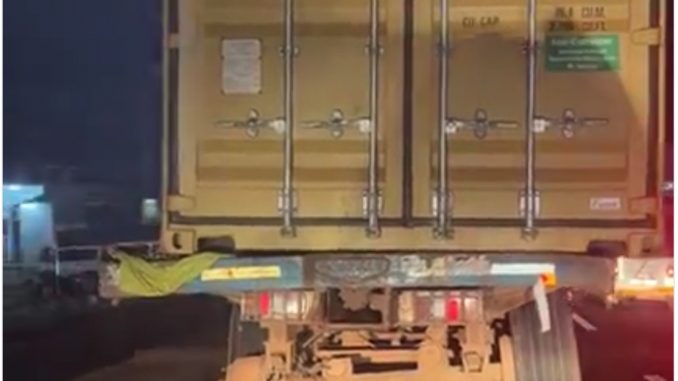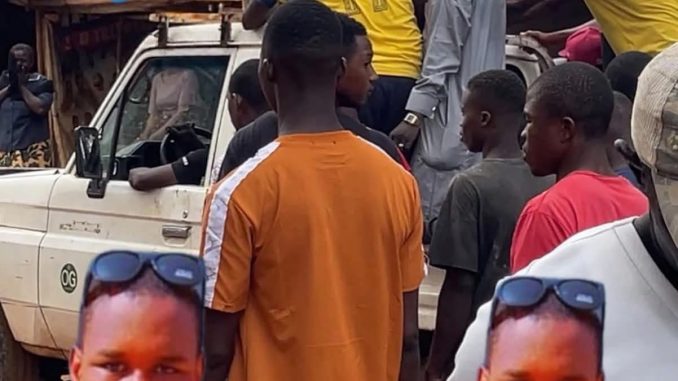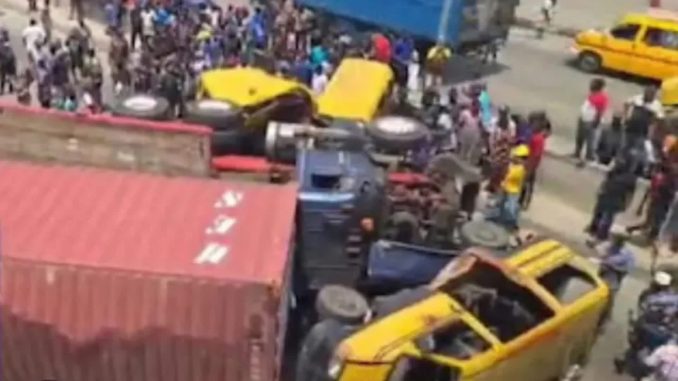
A container trailer crash near Rokel Junction on the outskirts of Freetown resulted in several deaths and injuries. The incident occurred as the trailer was reportedly traveling towards Waterloo, when it lost control and subsequently crashed. This tragic event adds to a growing series of similar accidents across Sierra Leone, noting a persistent and deadly issue on the nation's roads. The frequency of these incidents has raised significant public concern and calls for more effective interventions.
Causes of the Carnage
Transport analysts have frequently cited a range of underlying causes contributing to trailer accidents in Sierra Leone. These critical factors include reckless driving, driver fatigue, suspected substance use, poor vehicle maintenance, and the presence of ageing fleets on the roads. Each of these elements contributes to a hazardous environment for both drivers and other road users. Weak enforcement of existing regulations is also consistently noted as a significant issue, exacerbating the risks posed by these conditions. This lack of rigorous oversight allows dangerous practices and vehicles to persist on public highways.
Many heavy-duty trucks operating across the country reportedly do so without publicly verifiable maintenance histories or concrete evidence of adherence to professional servicing standards. This lack of transparency raises profound concerns about the roadworthiness of these vehicles, which often carry immense loads and pose considerable danger if compromised. In contrast, functioning transport systems typically subject commercial vehicles, especially those carrying massive loads, to rigorous inspection regimes to ensure safety and compliance. Such inspections are designed to proactively identify and rectify mechanical issues before they lead to catastrophic failures. The absence of such stringent and consistent oversight in Sierra Leone contributes directly to the ongoing crisis, allowing potentially unsafe vehicles to ply the roads. This systemic gap in maintenance and inspection protocols is a critical vulnerability that repeatedly leads to tragic outcomes.
Enforcement and Urban Planning Gaps
Police traffic divisions and road safety authorities are visible in Sierra Leone, but their enforcement often appears reactive rather than preventive. This approach means that interventions frequently occur only after an incident has taken place, rather than proactively preventing accidents. Critics accuse parts of the enforcement system of prioritizing revenue collection and informal roadside payments over rigorous monitoring of vehicle fitness and driver conduct. This alleged focus on revenue rather than safety undermines the effectiveness of regulatory bodies and allows dangerous practices to continue unchecked.
Informal street trading has also increasingly consumed public road space across major junctions and highways in the Western Area, creating a significant public safety crisis. These trading activities often spill onto roadways, obstructing traffic flow and creating dangerous conditions for both pedestrians and motorists, particularly heavy vehicles that require ample maneuvering space. Authorities periodically remove roadside traders, but the spaces are frequently reoccupied days later, indicating a lack of sustainable solutions or consistent enforcement. Sierra Leone’s rapid urban growth has dramatically increased the movement of container trucks, which are essential for economic activity but also present considerable risks. However, infrastructure expansion, traffic management strategies, and transport oversight have not kept pace with this rapid development. This disparity between increasing traffic volume and stagnant infrastructure or regulatory improvements creates a dangerous bottleneck, contributing to the high incidence of accidents.
The Human Cost of Neglect
Deadly accidents involving heavy-duty trucks and container trailers have become a predictable and tragic feature of daily life in Sierra Leone, occurring from Lumley to Wellington, and Waterloo to Sani Abacha Street. These incidents are not isolated occurrences but rather highlight a broader crisis where lives are lost due to systemic failures across various sectors. The current situation reflects failing inspections, which allow unsafe vehicles to remain on the road, and a lack of effective maintenance oversight for commercial vehicles, leading to mechanical breakdowns.
Urban planning initiatives also demonstrate significant shortcomings, failing to adequately address the needs of a rapidly growing urban population and the increasing volume of commercial traffic. Enforcement efforts by relevant authorities are often perceived as insufficient or misdirected, failing to deter dangerous driving practices or ensure vehicle roadworthiness. A critical lack of political urgency to address these widespread issues further exacerbates the problem, contributing directly to the devastating human toll on Sierra Leone's roads. The article states unequivocally that people are dying because systems are failing: failing inspections, failing maintenance oversight, failing urban planning, failing enforcement, and critically, failing political urgency to implement necessary reforms.