The Independent Commission for Peace and National Cohesion (ICPNC) organized the National Unity and Social Cohesion Conference at the Bintumani Conference Centre in Freetown on 26 and 27 October 2026. This gathering brought together national stakeholders to address long-standing concerns regarding social stability in Sierra Leone. The conference served as a formal platform for dialogue, bringing together representatives from various sectors of society to deliberate on the future of the nation.
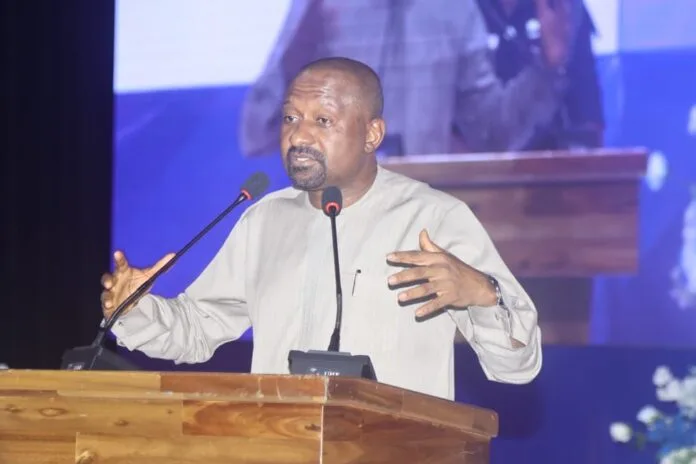
Vice President Dr. Mohamed Juldeh Jalloh spoke at the event to outline a strategy for national development. His remarks emphasized the necessity of structural reforms to ensure that all citizens feel represented within the state apparatus. "One critical pathway to building trust and cohesion is to progressively address the fears of exclusion and social injustice," Dr. Mohamed Juldeh Jalloh said during his address. The sessions focused on identifying mechanisms to strengthen public institutions and improve community relations. Participants reviewed proposals intended to promote inclusive governance and national reconciliation throughout the country. These deliberations were designed to foster a shared understanding of the challenges facing Sierra Leone and to build consensus on the path forward for national unity. The Independent Commission for Peace and National Cohesion (ICPNC) facilitated these discussions to ensure that diverse voices were heard throughout the two-day event.
Apology to War Victims
President Dr. Julius Maada Bio formally apologized on behalf of the State to victims and survivors of the Sierra Leone civil war during the National Unity and Social Cohesion Conference. The act of apology was a central component of the proceedings held at the Bintumani Conference Centre, marking a significant moment in the government's engagement with the legacy of the conflict. Addressing the assembly at the Bintumani Conference Centre, he linked the necessity of reconciliation to the future of the nation. "Peace must become part of our national culture," President Dr. Julius Maada Bio stated during his address. He showed that the acknowledgement of past suffering is a prerequisite for sustained stability.
President Dr. Julius Maada Bio also issued a directive regarding the country's past reconciliation efforts. He ordered that a full public report on the implementation of the Truth and Reconciliation Commission recommendations be presented by the end of January 2027. This document aims to detail the status of the commission's findings and the progress made in addressing the grievances identified in the aftermath of the conflict. By mandating this report, the government intends to provide transparency regarding the fulfillment of previous commitments made to the public. The report is expected to serve as a baseline for future policy decisions aimed at healing the divisions caused by the civil war. The directive notes the administration's commitment to ensuring that the recommendations of the Truth and Reconciliation Commission are systematically reviewed and addressed as part of the broader national reconciliation agenda. The conference concluded with a renewed focus on the implementation of these goals to ensure that the spirit of the National Unity and Social Cohesion Conference is maintained throughout the country.