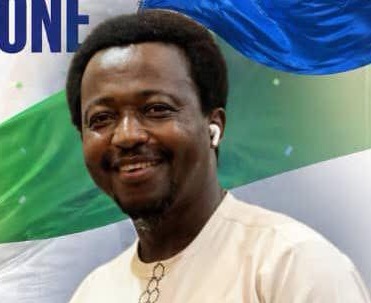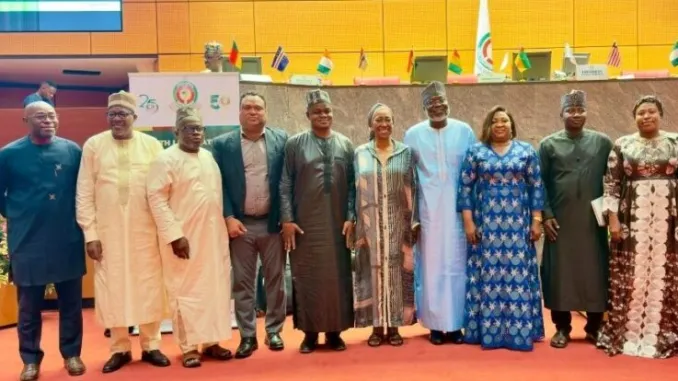
Dr. Omar Alieu TOURAY, President of the ECOWAS Commission, delivered his final update on the implementation of the ECOWAS Community Work Programme to the 2026 First Ordinary Session of the ECOWAS Parliament in Abuja, Nigeria. The significant address took place in the capital city of Nigeria, bringing together regional lawmakers to review the progress of the Community Work Programme. The presentation by Dr. Touray marked his last such address to the Parliament, as his tenure is scheduled to conclude in August 2026. This final report outlined the full status of implementation of the ECOWAS Community Work Programme, reflecting on the efforts and achievements under his leadership. He provided a full overview of the Commission's activities and achievements, detailing the progress made across various initiatives under the work programme. This session offered Parliamentarians a final opportunity to engage with Dr. Touray regarding the strategic direction and operational outcomes during his leadership, allowing for direct interaction and clarification on the Commission's performance and future outlook. The President's address showed the collective commitment to regional integration and development, setting the stage for continued progress in West Africa.
Economic Resilience and Growth
ECOWAS economies demonstrated resilience in the face of global economic challenges, according to Dr. Omar Alieu TOURAY. The President of the ECOWAS Commission reported that regional economic growth increased from 4.3 percent in 2024 to 4.8 percent in 2025. This upward trend notes the region's capacity to navigate complex global financial landscapes and maintain a stable economic trajectory. Projections further indicate ECOWAS economies are expected to grow by 5.0 percent in 2026, signaling continued positive momentum. Improvements were observed across several key economic indicators, including inflation, fiscal management, public debt, and intra-regional trade. These enhancements suggest a strengthening of fundamental economic structures within the ECOWAS bloc. Dr. Touray noted these positive trends in his final work programme update to the ECOWAS Parliament, noting the region's ability to maintain upward momentum despite external pressures. The sustained growth trajectory and enhancements in economic governance reflect the collective efforts within the West African bloc, emphasizing the effectiveness of coordinated regional policies. These developments underline the strategic importance of continued focus on macroeconomic stability and trade facilitation for the region's prosperity. The Commission's report emphasized that strong fiscal policies and measures to control inflation contributed significantly to the improved economic outlook for member states, fostering an environment conducive to investment and sustainable development. The progress in intra-regional trade also signifies a deepening of economic ties and market integration among member countries, which is key for long-term growth.
Security and Diplomatic Engagements
The ECOWAS Commission intensified its mediation and preventive diplomacy efforts across the region, according to Dr. Omar Alieu TOURAY. These actions aimed to address emerging security challenges and foster stability within member states, thereby contributing to overall regional peace. Preparations for the ECOWAS Regional Counterterrorism Force were advanced, reflecting a concerted effort to enhance the region's capacity to combat terrorism and insecurity. This initiative is designed to provide a coordinated and strong response to the persistent threats faced by West African nations, ensuring a more secure environment for its citizens. The establishment of such a force is seen as a critical step in bolstering collective security mechanisms against evolving threats.
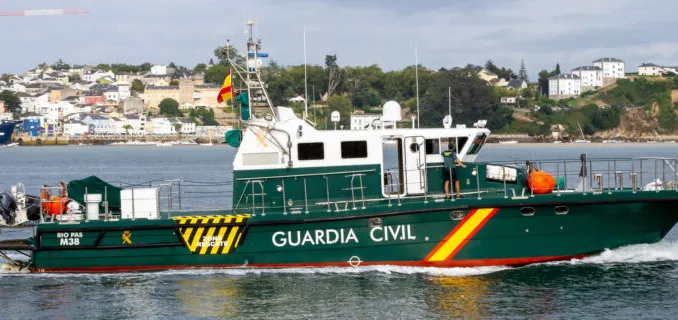
Additionally, measures were implemented to strengthen maritime and border security throughout the ECOWAS operational area. These security enhancements focused on curbing illicit activities and ensuring safer passage for trade and movement within the community, vital for economic stability and regional connectivity. The Commission's efforts in this regard are key for protecting national assets and facilitating legitimate cross-border interactions. The ECOWAS Commission maintained engagement with Burkina Faso, Mali, and Niger, particularly concerning their status under the Alliance of Sahel States framework. These diplomatic interactions aimed to address the complex political and security situations in these countries, seeking pathways for continued regional cooperation and stability. The ongoing dialogue shows ECOWAS's commitment to finding peaceful resolutions and fostering inclusive governance across all its member states, even amidst challenging circumstances. The Commission's report noted the critical importance of these ongoing security and diplomatic engagements for the overall peace and development of West Africa.
Social Development and Capacity Building
Humanitarian interventions by the ECOWAS Commission reached over 5.3 million vulnerable persons during the period, providing essential support and aid to those most in need across the region. This extensive outreach demonstrates the Commission's commitment to social welfare and alleviating suffering. Opportunities for youth and women were expanded through entrepreneurship and academic mobility programmes, reflecting a focus on human capital development within the region. These initiatives aim to empower marginalized groups, fostering economic independence and educational advancement. The ECOWAS Commission also reported that more than 500 journalists across the region received training on combating misinformation and disinformation. This initiative aimed to bolster media literacy and ethical reporting practices, which are key for maintaining public trust and informed discourse in the digital age.
In a move to adapt to the evolving digital landscape, the ECOWAS Information and Communication Policy was modernized to address challenges posed by social media and artificial intelligence. This strategic update ensures that the region remains prepared to manage the complexities of modern information environments. Additionally, the Commission provided support to The Gambia for the establishment of the region’s first National Response Centre to Combat Misinformation, further demonstrating its commitment to information integrity and fostering a responsible media ecosystem. This pioneering center in The Gambia serves as a model for other member states in tackling the widespread issue of fake news and digital manipulation. These full social development and capacity-building efforts show the Commission's holistic approach to regional progress, encompassing human welfare, educational empowerment, and strong information governance.