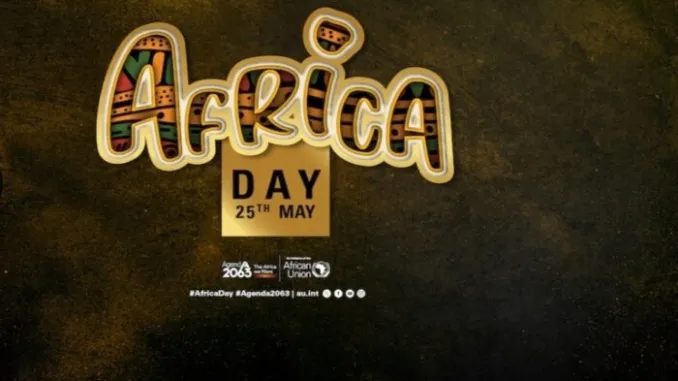
Africa Day 2026 celebrations were held across the continent, marking a significant occasion for the African Union. This year's observances showed calls for accelerated integration and global reform, reflecting a united vision for the continent's future. The event commemorated 63 years since the founding of the Organization of African Unity (OAU), the predecessor to the current African Union. This historical milestone served as a backdrop for leaders to emphasize the ongoing commitment to pan-African unity and the continent's growing influence on the global stage. Discussions throughout the celebrations focused on strengthening regional cooperation and advocating for a more equitable international system, key steps towards realizing Africa's full potential.
Unity and Global Governance Demands
Africa Day 2026 was observed under the theme: “Sixty-three (63) Years of Unity, Integration and Development, Let’s Celebrate Together.” This theme resonated deeply with the messages delivered by the continent's leadership. Mr. Mahmoud Ali Youssouf, the Chairperson of the African Union Commission (AUC), the AU's executive body, and Mr. Évariste Ndayishimiye, the President of the Republic of Burundi and the current Chairperson of the African Union, issued a united call for accelerated integration, global governance reform, and concrete action aimed at uplifting every African citizen. Their joint appeal noted the collective determination to address both internal developmental needs and external systemic inequalities.
AUC Chairperson Youssouf emphasized Africa’s increasing prominence on the global stage, noting specifically its permanent membership in the G20, a significant recognition of the continent's economic and political weight. He invoked the spirit of pan-Africanism, stating, "I am because we are," a powerful articulation of the Ubuntu philosophy that shows collective identity and solidarity. This sentiment, deeply rooted in African thought, served as a rallying cry for unity and mutual support among member states. The AU reiterated its demand for a "fairer and more representative multilateral system," a phrase also used by AUC Chairperson Youssouf, showing the consistent message from the continent's leadership. This demand includes a specific call for the reform of the United Nations Security Council, a long-standing objective for African nations seeking greater influence in global decision-making bodies. The continent's leadership noted the urgent need for international structures to better reflect current global realities and ensure equitable representation for all regions, particularly Africa. These calls show a unified African position on reshaping global governance to be more inclusive and just.
Challenges Facing the Continent
Despite calls for unity and integration, significant challenges confront the continent, requiring concerted efforts from all stakeholders. Mr. Mahmoud Ali Youssouf, Chairperson of the African Union Commission (AUC), and President Évariste Ndayishimiye, Chairperson of the African Union, both reaffirmed their commitment to the African Continental Free Trade Area (AfCFTA) as a vital pathway to economic resilience and prosperity. The AfCFTA is seen as a transformative instrument for boosting intra-African trade and fostering sustainable development. However, President Ndayishimiye noted the severe humanitarian crises gripping parts of Africa, noting that millions of Africans are currently enduring armed conflict, terrorism, climate disasters, and displacement. These multifaceted crises pose immense obstacles to development and stability across various regions. He stressed the collective responsibility of all African nations and the international community to address these issues, stating unequivocally, "No country should be left alone to face this peril." This statement showed the need for solidarity and shared action in confronting humanitarian emergencies.
President Ndayishimiye also emphasized the critical importance of education for the continent's future, warning, "An African child deprived of education today is a part of Africa’s future that we are abandoning tomorrow." This powerful message noted the foundational role of education in empowering future generations and ensuring long-term progress. He urged African nations to "speak with one voice" on global platforms to effectively advocate for their interests and address shared challenges, reinforcing the notion that a united front amplifies Africa's influence. The AU Chairperson concluded his remarks with an optimistic appeal for solidarity and renewed commitment to the continent's aspirations, proclaiming, "Long live a united Africa! Long live the African Union and happy Africa Day to all." This celebratory and hopeful message resonated with the spirit of Africa Day.
Amidst these challenges, there were also moments of continental pride that showcased Africa's growing capabilities and global presence. A record nine African national teams have qualified for the FIFA World Cup, marking the continent’s highest representation in the tournament's history. This remarkable achievement was cited as an example of African talent, resilience, and potential on the global stage, demonstrating that despite difficulties, the continent continues to excel in various fields.
Commitment to Agenda 2063
The 2026 Africa Day commemorations reinforced the African Union's unwavering dedication to its long-term strategic framework, Agenda 2063, which envisions "The Africa We Want." Mr. Évariste Ndayishimiye, President of the Republic of Burundi and Chairperson of the African Union, noted the importance of continental initiatives in driving this transformative agenda forward. The AU's 2026 Theme of the Year, “Assuring Sustainable Water Availability and Safe Sanitation Systems to Achieve the Goals of Agenda 2063,” shows a critical focus for the continent's development objectives. This theme emphasizes the foundational role of water and sanitation in achieving broader socio-economic goals outlined in the agenda, recognizing their direct impact on health, education, and economic productivity.
AUC Chairperson Youssouf also addressed the broader international context, welcoming global momentum on reparatory justice, a critical issue for many African nations. He commended Ghana’s leadership and efforts at the United Nations General Assembly in advancing discussions on this issue, acknowledging the importance of addressing historical injustices. In his remarks, AUC Chairperson Youssouf once again invoked the spirit of Ubuntu, stating, "I am because we are," emphasizing collective identity and solidarity as guiding principles for both internal and external relations. He reiterated the AU's call for a "fairer and more representative multilateral system," advocating for reforms that would ensure Africa's equitable participation in global decision-making processes and reflect its rightful place in the international order. These statements collectively signal the AU's continued commitment to achieving the aspirations of Agenda 2063, both through internal development initiatives and external advocacy for a more just and equitable global order. The celebrations served as a powerful reminder of the continent's shared history, its present challenges, and its hopeful vision for a united and prosperous future.