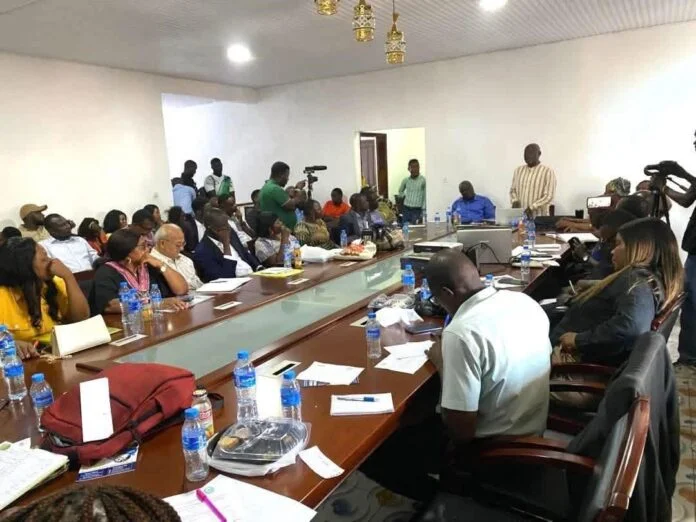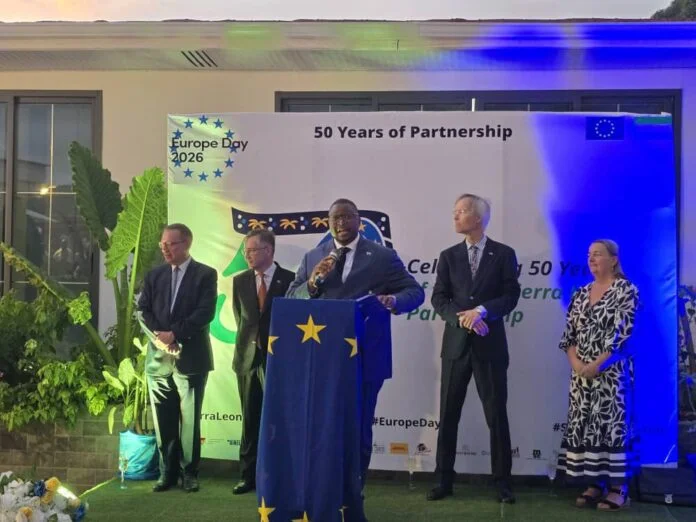
The European Union and Sierra Leone celebrated 50 years of partnership and commemorated Europe Day 2026 with a reception on Thursday, May 28, 2026. This significant event, marking a half-century of collaboration, was held at the Country Lodge Hotel in Freetown, a fitting venue for such a momentous occasion. During the reception, the European Union Ambassador to Sierra Leone, His Excellency Jacek Jankowski, took the opportunity to reaffirm the EU’s enduring commitment to the West African nation, showing the depth and breadth of their long-standing relationship. The celebration served as a testament to the strong ties forged over five decades, noting mutual respect and shared objectives.
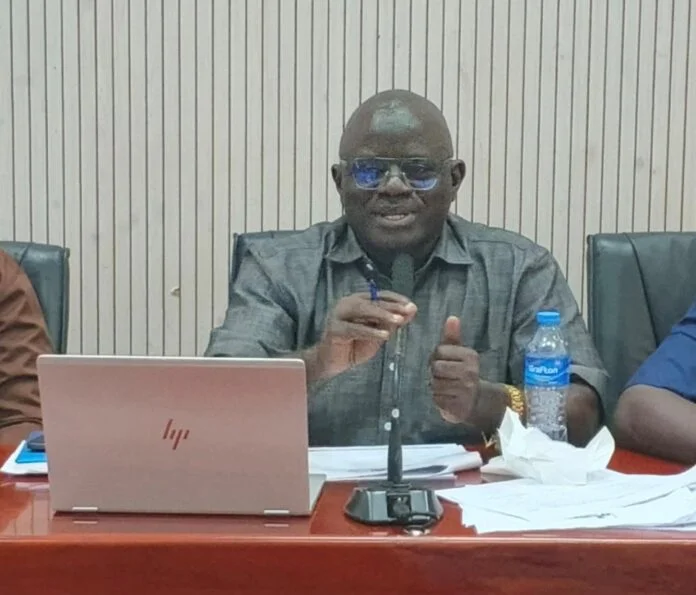
Alhaji Musa Timothy Kabba, representing Sierra Leone, delivered remarks praising the EU for its fifty years of continuous partnership and solidarity. Mr. Kabba stated, "For five decades, the European Union has remained a steadfast and reliable partner to Sierra Leone." His remarks acknowledged the long-standing relationship between the two entities, noting the consistent support provided by the EU across various sectors. The sentiment expressed by Alhaji Musa Timothy Kabba resonated throughout the event, emphasizing the profound impact of the EU's commitment to Sierra Leone's development and stability. This enduring partnership, he noted, has been instrumental in the nation's journey towards progress.
Commemorating Europe Day and Democratic Progress
Europe Day commemorates the Schuman Declaration of 9th May 1950, a key moment in European history. Robert Schuman, then Foreign Minister of France, made this declaration, laying the foundational step towards European integration and the eventual formation of the European Union. Seventy-five years have passed since the Schuman Declaration, a milestone that continues to inspire cooperation and unity across the continent and beyond. The annual commemoration serves as a reminder of the principles of peace and collaboration that underpin the European project.
Sierra Leone, having emerged from a protracted civil conflict, has since embraced a path of peace and dialogue, demonstrating a strong commitment to national reconciliation and stability. The European Union has observed Sierra Leone's elections consistently since the end of the civil war in 2002, closely monitoring its democratic progress and supporting the integrity of its electoral processes. This consistent observation shows the EU's dedication to fostering strong democratic institutions within Sierra Leone. The nation has undertaken significant political reforms, with agreements reached in October 2023 and again in July 2024, signaling its ongoing efforts to strengthen governance and promote accountability. These reforms reflect Sierra Leone's broader commitment to democracy, constitutional governance, and human rights, which are fundamental pillars of its national policy.
In a demonstration of its growing international stature, Sierra Leone also held a Non-Permanent Member seat on the United Nations Security Council between 2024 and 2025, playing an active and key role in global diplomacy and contributing to discussions on international peace and security. President Dr. Julius Maada Bio served as Chairman of the ECOWAS Authority of Heads of State and Government, leading regional initiatives aimed at promoting stability, economic integration, and democratic principles across West Africa. The nation has consistently demonstrated a commitment to democracy, constitutional governance, and human rights through these significant international actions and its internal policies, solidifying its reputation as a responsible and engaged member of the global community.
A Half-Century of Substantial Investment and Support
Over the past five decades, the European Union has invested approximately €1.7 billion into Sierra Leone's economy, representing a profound and sustained commitment to the nation's development. This substantial financial commitment includes almost half a billion euros specifically allocated as budget support, providing key direct assistance to the government's financial planning and implementation of national priorities. The European Union remains the sole development partner that provides grants directly to Sierra Leone's national budget, according to EU representatives, noting its unique and indispensable role in the country's fiscal stability and capacity building. This direct budget support empowers Sierra Leone to manage its own development agenda effectively.
The EU's investment has extended to key areas, providing full support for post-war reconstruction following Sierra Leone's devastating civil conflict, helping to rebuild essential infrastructure and social services. Beyond immediate recovery, the EU has also assisted with the nation's electoral processes, ensuring transparency and fairness in democratic transitions. This support has been vital in consolidating peace and fostering a stable political environment. Beyond post-conflict recovery, the partnership has also focused on broader developmental goals, aiming to create sustainable growth and improve the quality of life for Sierra Leoneans.
A key component of this broader engagement is the EU's Global Gateway initiative. This ambitious program is specifically designed to address infrastructure deficits within Sierra Leone, aiming to accelerate the country's green and digital transition. Through strategic investments, the Global Gateway seeks to enhance connectivity, promote renewable energy, and foster digital innovation. This initiative also endeavors to strengthen agricultural value chains, contributing significantly to economic growth, food security, and environmental sustainability by supporting local farmers and improving market access. The focus on both green and digital transitions aligns with global efforts towards sustainable development and future-proofing economies.
In terms of trade, the EU supports Sierra Leone through its "Everything But Arms" (EBA) trade initiative. This preferential trade arrangement grants Sierra Leone, along with other developing nations, duty-free and quota-free access to European markets for all products except arms and ammunition. This initiative is a powerful tool for facilitating export opportunities, stimulating economic diversification, and promoting greater integration of Sierra Leone into the global economy. The EBA scheme has been instrumental in boosting Sierra Leonean exports and fostering economic development by providing a competitive advantage in the European market.
The European Union has also played a significant and multifaceted role in various sectors of Sierra Leonean society, demonstrating a full approach to development. Its contributions have profoundly impacted democratic governance, helping to solidify the nation's political institutions, enhance rule of law, and support civil society engagement. EU support has been directly channeled towards critical infrastructure development, including roads, energy, and communication networks, which are vital for economic progress. The health services sector has benefited from EU investment, improving access to quality healthcare and strengthening public health systems. Similarly, education has received substantial backing, aimed at enhancing literacy rates, improving school infrastructure, and developing human capital.
The agricultural and fisheries sectors, which are cornerstones of Sierra Leone's economy, have also benefited significantly from EU investment, with initiatives focused on increasing productivity, promoting sustainable practices, and improving livelihoods for rural communities. Alongside these sector-specific interventions, the EU has championed initiatives aimed at promoting climate resilience, helping Sierra Leone adapt to the impacts of climate change and mitigate environmental risks. Human capital development represents another key area where the EU has contributed, focusing on enhancing the skills, knowledge, and capabilities of Sierra Leone's population to meet the demands of a modern economy and foster innovation. This holistic approach shows the EU's commitment to long-term, sustainable development in Sierra Leone.
Shared Values and Future Cooperation
The relationship between Sierra Leone and the European Union is deeply rooted in mutual respect, resilience, the pursuit of peace, the promotion of democracy, and a shared commitment to sustainable development. These fundamental values form the bedrock of their enduring partnership, guiding their collaborative efforts and fostering a spirit of cooperation. Both leaders, Ambassador Jankowski and Alhaji Musa Timothy Kabba, reaffirmed their unwavering commitment to strengthening the relationship between Sierra Leone and the European Union, signaling a desire for even deeper collaboration in the years to come. This commitment extends to exploring new avenues for partnership and expanding existing initiatives.
In a strategic move to further enhance economic ties and facilitate business interactions, an EU Chamber of Commerce is to be established in Sierra Leone. This new institution is expected to serve as a vital platform for European businesses operating in or looking to invest in Sierra Leone, fostering trade, investment, and economic growth. The Chamber will also provide a forum for dialogue and collaboration between the private sectors of both entities, aiming to streamline business processes and create a more conducive investment climate. Sierra Leone is also committed to expanding cooperation through the EU’s Global Gateway initiative, according to statements made by its representatives, indicating a strong alignment with the EU's vision for sustainable infrastructure development and digital transformation. This commitment further solidifies the partnership's focus on future-oriented development.
Despite the positive trajectory of this partnership, reports indicate Sierra Leone’s flag is currently flying on approximately ninety vessels reportedly linked to Russia’s “shadow fleet.” This situation presents a complex challenge within the broader geopolitical landscape. Despite this, the EU remains steadfastly committed to strengthening ECOWAS institutions and promoting peace and constitutional governance in the region, recognizing the critical role of regional stability for national development. The EU-Sierra Leone partnership is underpinned by the rule of law, human rights, and accountability, emphasizing these shared principles as essential for good governance and societal well-being. These principles guide their joint efforts to address regional and global challenges.
Terrorism remains one of the greatest threats facing West Africa, a concern that is shared by both partners and features prominently in their security dialogues. Both the EU and Sierra Leone recognize the imperative of collaborative efforts to combat this menace and ensure regional stability. Sierra Leone maintains a principled stance on the conflict in Ukraine, consistently emphasizing its unwavering support for sovereignty, territorial integrity, and adherence to international humanitarian law. This position reflects Sierra Leone's commitment to upholding international law and promoting peaceful resolutions to conflicts, aligning with the broader values shared with the European Union.