The Government of Sierra Leone has reported substantial advancements in maternal and child healthcare during the initial 100 days of its 300 Days of Activism campaign. The announcement notes progress in various health initiatives across the nation, aiming to improve health outcomes for mothers and children. This period of intensified efforts has focused on strengthening healthcare services and community engagement in regions including Kerry Town, Western Area, Karene, Pujehun, and Moyamba. The campaign seeks to address critical health challenges and reinforce the country's public health infrastructure through targeted interventions over its full duration. This full initiative by the Government of Sierra Leone signifies a concerted effort to elevate the standard of healthcare services available to its citizens, particularly focusing on the most vulnerable populations. The strategic deployment of resources and focused interventions during these initial 100 days has laid a foundation for sustained improvements in the health sector.
Mortality Rates Decline Sharply
Maternal mortality in Sierra Leone has decreased by 31 percent since the commencement of the 300 Days of Activism campaign. This decline reflects significant progress in health outcomes for mothers across the country, indicating the positive impact of the targeted interventions. The reduction in maternal deaths is a critical indicator of improved access to quality prenatal, delivery, and postnatal care. Simultaneously, infant mortality has shown an 11 percent reduction during the same period of intensified healthcare efforts. This decrease in infant mortality shows the effectiveness of programs aimed at improving child health and survival rates. The figures indicate an initial positive impact from the government's focus on maternal and child health interventions, demonstrating tangible improvements in key public health metrics within a relatively short timeframe. These reductions are key steps towards achieving national health goals and improving the well-being of families throughout Sierra Leone.
Vaccination Drive Reaches Thousands
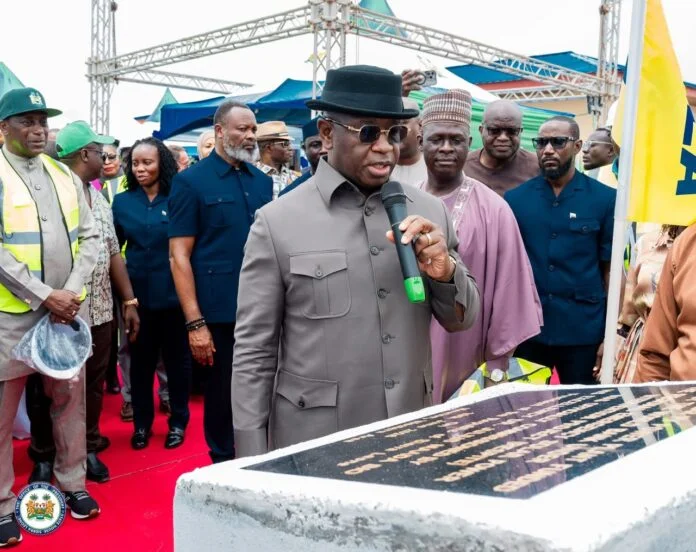
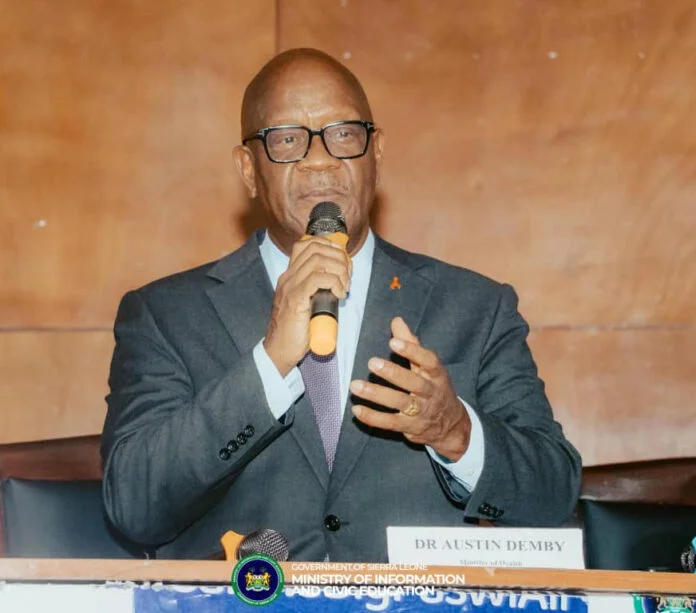
The Minister of Health, Dr. Austin Demby, disclosed these impressive figures at the Ministry of Information and Civic Education’s Weekly Press Briefing on Tuesday, June 9, 2026. Data presented by Dr. Demby indicated a significant reduction in the number of zero-dose children, which has been nearly halved. This achievement is particularly noteworthy as it addresses a fundamental public health challenge. Approximately 5,000 children who had never received routine immunization were identified and vaccinated during the first phase of the campaign, contributing to a 55 percent increase in new childhood vaccinations. This substantial increase in immunization coverage is vital for preventing the spread of vaccine-preventable diseases and protecting the health of the youngest population.
Dr. Demby stated, "We have about 9,000 children in this country who have never received a vaccine. Within the first 100 days, we identified 5,000 of those children and ensured they received their first dose." This targeted approach to reaching unvaccinated children notes the campaign's commitment to equitable health access. He emphasized the future direction of the initiative, adding, "The next 100 days will be days of action. We are going everywhere to ensure that every mother and every child receives the healthcare services they need." The Minister also noted the broader objective of the health campaign, remarking, "Universal Health Coverage is fundamentally about people. We cannot continue to focus only on individual diseases because one person can suffer from several illnesses at the same time." This holistic perspective shows the government's strategy to address health needs comprehensively, moving beyond a disease-specific approach to embrace integrated patient care.
Infrastructure Boosts Health Access
The Government of Sierra Leone plans to construct a 300-bed hospital in Kerry Town as part of its ongoing health infrastructure development. This significant project will expand inpatient capacity and specialized medical services in the region. This effort complements broader initiatives to enhance healthcare access and sustainability across the nation, ensuring that modern medical facilities are available where they are most needed.
In a significant upgrade to medical facilities, 18 of Sierra Leone’s 20 major hospitals have been rendered energy-independent through the installation of solar power systems. This transition to renewable energy sources ensures a stable and reliable power supply, which is critical for the continuous operation of medical equipment and patient care. Connaught Hospital, a key medical institution, now operates on a 1.2-megawatt solar energy system, guaranteeing uninterrupted power for its extensive operations. This move not only enhances operational efficiency but also reduces reliance on external power grids, contributing to the hospitals' resilience.
Beyond major hospitals, approximately 380 health facilities nationwide have been equipped with solar power installations. This widespread adoption of solar energy extends reliable power to smaller clinics and health centers, improving their capacity to provide essential services, store vaccines, and operate diagnostic equipment, particularly in remote areas. The government is also constructing new 100-bed hospitals in Karene, Pujehun, and Moyamba, further expanding healthcare capacity in various regions. These new facilities are designed to bring essential medical services closer to communities, reducing travel burdens for patients and improving timely access to care.
Future Plans and Training Expansion
The Government of Sierra Leone has significantly increased its medical training capacity, with the annual number of doctors being trained rising from approximately 30 to about 250. This substantial increase addresses the critical shortage of medical professionals in the country. This expansion supports broader healthcare objectives by ensuring a steady supply of qualified doctors to staff the growing number of health facilities and meet the increasing demand for medical services. Authorities plan to further increase the annual doctor training figure to 300 in the coming years, demonstrating a long-term commitment to human resource development in the health sector.
In addition to human resource development, government plans include establishing a modern cancer diagnosis and treatment centre to enhance specialized medical services. This facility will provide much-needed advanced care for cancer patients, reducing the need for citizens to seek treatment abroad. The government intends to develop a large-scale oxygen production facility, aiming to secure a stable and sufficient supply of medical oxygen across the country's health system. This strategic investment will be key for managing respiratory illnesses, supporting surgical procedures, and enhancing critical care capabilities throughout Sierra Leone. These forward-looking initiatives show the government's dedication to building a strong, full, and self-sufficient healthcare system for all its citizens.