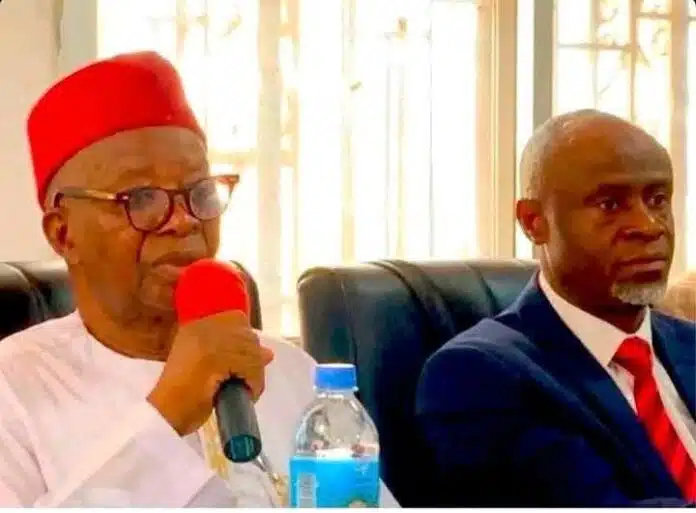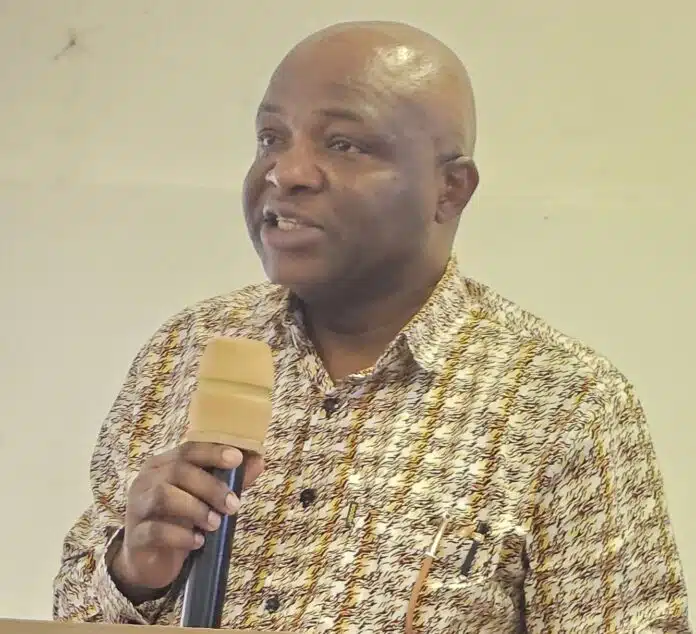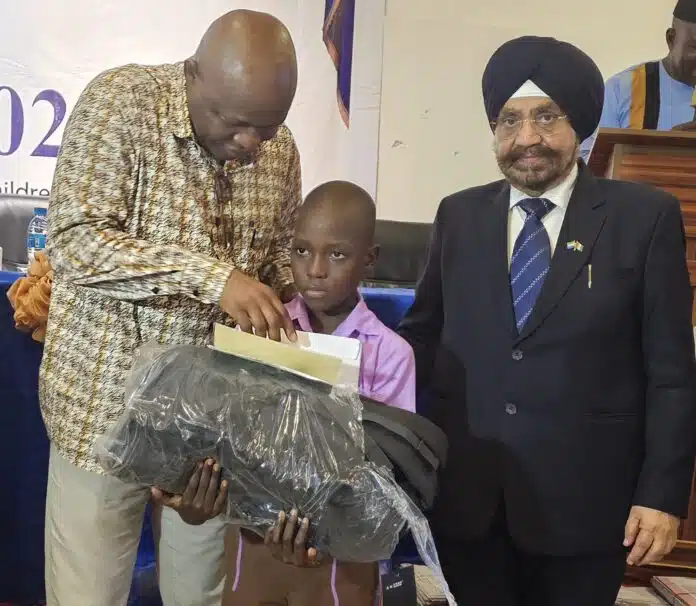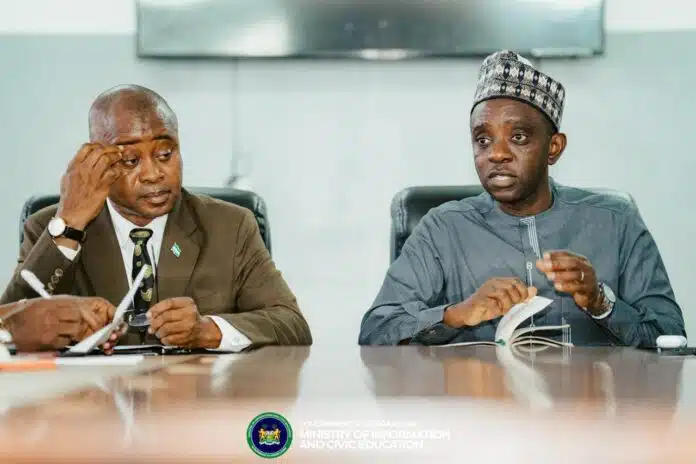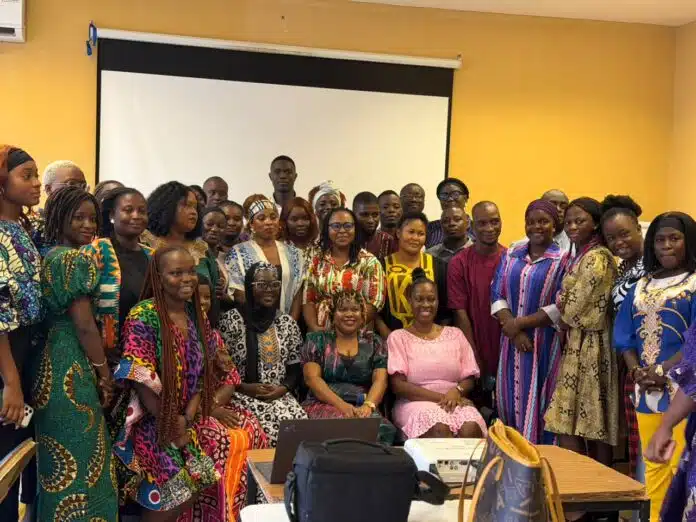
The Government of Sierra Leone on Friday, August 21, 2026, urged for stronger enforcement of existing gender and employment laws to protect women journalists. The call, made at the Civil Service Training College in Freetown, also emphasized practical newsroom safeguards. This key demand by the Government of Sierra Leone specifically called for the effective enforcement of these existing legal frameworks, coupled with the implementation of practical newsroom safeguards, all aimed at protecting women working in the media sector. Francess Josephine Kafula, Director of Information and Government Services, stated that gender justice requires creating conditions for female professionals to join the media, build careers, assume leadership, and perform duties "without discrimination, harassment, or intimidation." Ms. Kafula added, "A safe journalist is better positioned to work independently, investigate issues of public interest and contribute to an informed society." She concluded by advocating for "measurable commitments" rather than just another declaration, noting the urgency for tangible action.
Challenges and Legal Frameworks
Evidence presented during the forum indicated that challenges confronting women journalists were neither theoretical nor isolated. This evidence showed the widespread nature of these issues within the media landscape. Unsafe working conditions, which manifest in various forms, can significantly undermine the welfare of media practitioners and, in turn, weaken the quality, credibility, and independence of journalism. The Gender Equality and Women’s Empowerment Act of 2022 and the Employment Act of 2023 are important legal instruments available to address discrimination and workplace abuse. These legislative tools provide a foundational framework for ensuring fair treatment and protection. Discussions at the forum were informed by findings from a 2025 global study examining sexual harassment in the media. This study included responses from 298 participants in Sierra Leone, providing specific, localized context for the challenges faced by women in the country's media sector. The forum showed the need to effectively utilize these existing legal frameworks to create safer environments for women journalists, moving beyond mere recognition of the problem to active enforcement.
Proposed Safeguards and Government Commitments
A proposed Safeguarding Charter aims to establish several protective measures for women journalists. These include confidential complaint mechanisms, ensuring privacy and trust for those who come forward. It also mandates transparent investigation procedures, guaranteeing fairness and impartiality in addressing complaints. Strong protection against reprisals for those who report incidents is a critical component, designed to prevent victimisation. The charter also outlines referral services for support, providing access to necessary resources, alongside digital-security measures to protect journalists online from cyber threats. Clear management accountability is established, assigning responsibility for upholding these standards, and a system for regular monitoring of its implementation is planned to ensure ongoing effectiveness.
Safeguarding policies are designed to encompass risks present in both physical and online working environments. These policies specifically address issues such as harassment, threats, and intimidation, particularly when these occur through social-media platforms, recognizing the growing prevalence of online abuse. The Government of Sierra Leone is anticipated to support the enforcement of existing gender and labour legislation. This commitment involves increasing awareness of workplace rights among journalists, ensuring they are informed of their entitlements and protections. It also includes strengthening measures for journalist safety and digital protections, adapting to evolving threats. The government aims to encourage media organisations across the country to comply with national employment standards, fostering a culture of adherence to legal and ethical workplace practices.
Broader Implications and Future Steps
A Policy Dialogue Forum on Gender Justice in the Media, organized by Women in the Media Sierra Leone in partnership with Comic Relief, addressed these multifaceted challenges. The event, held on Friday, August 21, 2026, at the Civil Service Training College in Freetown, served as a critical platform for these discussions. The forum concluded with participants defining gender justice as a broad institutional reform. This reform encompasses various aspects, including workplace safety, ensuring a secure environment for all. It also covers equality, promoting fair treatment and opportunities, and staff welfare, prioritizing the well-being of media professionals. It also extends to ensuring adequate female representation within media organizations and protecting digital rights, acknowledging the importance of online safety and freedom of expression. Participants emphasized the importance of accountability mechanisms and the safeguarding of media freedom as integral components of achieving gender justice in the sector. These discussions highlight a full approach to improving conditions for women journalists, moving beyond isolated incidents to systemic change and fostering a more equitable and secure media landscape in Sierra Leone.