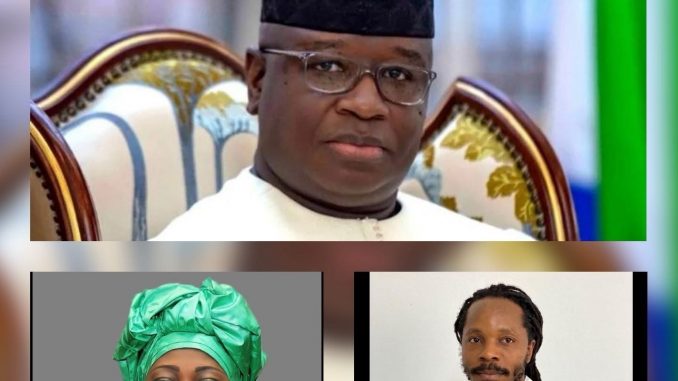
Sierra Leone's government faces accusations of deceit regarding persistent power outages, despite repeated official claims of progress in providing sustainable electricity across the nation. This situation comes as First Lady Fatima Bio praised President Julius Maada Bio, asserting he is "the greatest leader in the history of Sierra Leone." The government's assurances about electrical infrastructure have been met with public skepticism amidst ongoing service disruptions, which continue to plague the country.
Contradictory Claims on Electricity
A power outage occurred during an event where First Lady Fatima Bio was speaking, an incident that starkly showed the ongoing challenges with electricity supply in Sierra Leone. During the event, Mrs. Bio praised President Julius Maada Bio, stating he is "the greatest leader in the history of Sierra Leone." This declaration of leadership excellence was made even as the event itself was plunged into darkness, noting a significant disconnect between official statements and the lived reality of the populace. Despite such declarations and the government's repeated claims of progress in providing sustainable electricity across the country, power interruptions continue to affect various sectors across the country. Homes, businesses, schools, and hospitals are all experiencing persistent disruptions to their electricity supply. The widespread nature of these outages notes a significant discrepancy between official rhetoric and the daily experiences of citizens and institutions, raising questions about the efficacy of current energy policies and infrastructure management. The government's assurances about electrical infrastructure have been met with considerable public skepticism.
First Lady's Praise Amidst Blackout
Similar power outages have reportedly affected other official gatherings in Sierra Leone, including parliamentary proceedings. These disruptions show the persistent electricity challenges facing the nation, impacting various aspects of daily life and governance. The occurrences during such high-profile events, particularly the incident during the First Lady's speech, serve as palpable examples of the systemic issues at play. These incidents highlight the discrepancy between the government's assurances regarding power supply and the reality experienced by the populace. The fact that even official functions and parliamentary proceedings are not immune to these blackouts further deepens public concern and fuels criticism. These incidents have drawn significant public attention, further fueling debate over the efficacy of current energy policies and infrastructure management. The widespread nature of these outages, affecting not only residential areas but also official functions, points to a systemic issue that continues to challenge the country's development and stability, impacting economic activity, public services, and daily routines.
Broader Allegations Against Leadership
President Julius Maada Bio faces broader allegations beyond the power crisis, according to the article. It alleges President Bio rigged the 2023 elections, a claim that has further eroded public trust and fueled political tension. Additionally, the article claims President Julius Maada Bio harboured the most wanted EU drug lord, an accusation that, if proven, would carry significant international implications and raise serious questions about governance and law enforcement within the country. These allegations contribute to a wider narrative of criticism directed at the current leadership in Sierra Leone, extending beyond the immediate issue of electricity supply to encompass concerns about democratic integrity and national security. The combination of these serious claims with the visible failures in basic services presents a challenging political landscape for the Bio administration.
Future Outlook and Date
The challenges outlined, particularly the persistent power outages and the broader allegations against the leadership, are expected to continue. The government has set a significant date for its plans to address these issues, with efforts extending to May 31, 2026. This timeline indicates that citizens may face ongoing disruptions and uncertainties for the foreseeable future, as the administration works towards its stated goals for improvement.