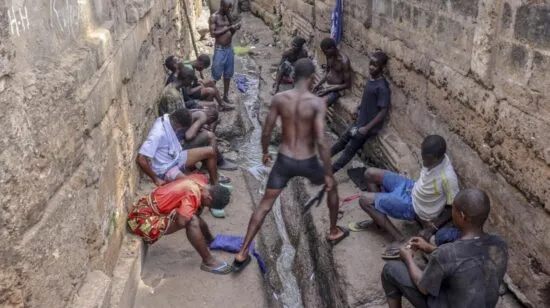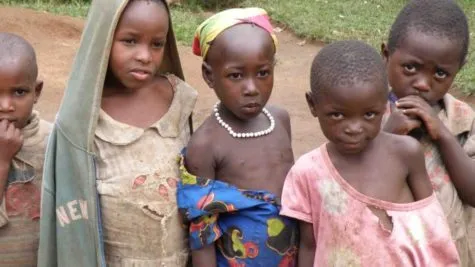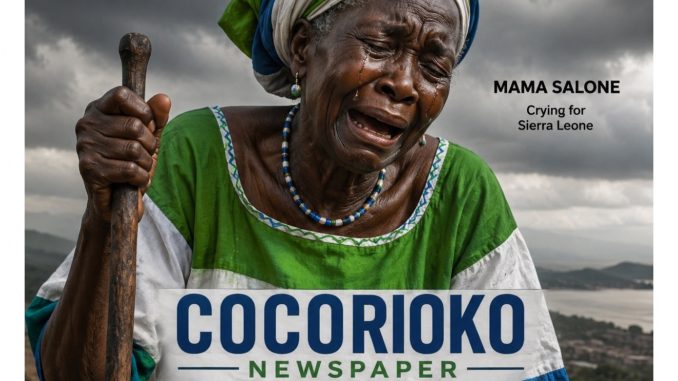
Sierra Leone is facing a severe economic crisis, with a recent survey revealing that 81% of its population is struggling with extreme or severe financial hardship. The findings indicate widespread difficulties for citizens across the West African nation, painting a stark picture of the challenges confronting the country. According to the survey, a significant portion of the population is grappling with profound economic insecurity. Specifically, 48% of respondents characterized their financial situation as extreme hardship, indicating a deep level of destitution and inability to meet basic needs. An additional 33% reported severe hardship, noting widespread financial strain that impacts daily life. Combined, these figures mean that more than 8 out of every 10 Sierra Leoneans surveyed are struggling badly to survive, showing the urgency of the economic situation. It is claimed that hardship, unemployment, corruption, crime, and drug abuse are all interconnected issues within the country, creating a complex web of challenges that exacerbate the economic distress. The widespread nature of these struggles suggests systemic issues requiring full and multi-faceted solutions.
Economic Hardship Deepens
Economic hardship extends significantly into the workforce, deeply affecting the livelihoods of employed individuals. More than half of workers reporting that their salaries are depleted before payday or within one week of receiving them. This rapid depletion of income notes the inadequacy of wages relative to the cost of living and the immediate financial pressures faced by families. The financial strain is even more widespread over a slightly longer period, indicating a persistent struggle for economic stability. More than 80% of workers indicated that their salaries are entirely consumed within two weeks of receipt, showing the severe budgetary pressures faced by the majority of the employed population in Sierra Leone. This rapid exhaustion of income leaves little to no room for savings, emergency funds, or investment, perpetuating a cycle of financial precariousness for a vast segment of the workforce. The survey findings paint a grim picture of daily life, where earning a salary does not guarantee financial security beyond a very short period.
International Aid Under Review
The Dutch Government is advocating for the European Union to reassess its development assistance to Sierra Leone. This push stems from serious concerns related to international drug trafficking and the reported presence of a convicted Dutch drug kingpin believed to have connections within the West African nation. The Netherlands' stance notes growing international scrutiny on Sierra Leone's governance and its role in regional and global illicit activities, particularly in the context of organized crime. The Dutch Government's concerns are explicitly linked to the belief that a convicted Dutch drug kingpin is operating with connections within the country, raising questions about the effectiveness of Sierra Leone's anti-narcotics efforts and its commitment to combating international crime.
The call for reconsideration shows the potential impact of these concerns on future aid disbursements from the European Union, a significant development partner for many African countries. The alleged links between the country and individuals involved in drug trafficking could significantly influence diplomatic relations and financial support aimed at economic development and stability. This development places additional pressure on Sierra Leone amidst its ongoing economic difficulties and calls for transparency in its efforts to combat organized crime. The review initiated by the Dutch Government suggests that accountability for international criminal activities is becoming an increasingly important factor in donor relations and aid policy for the European Union, signaling a potential shift in how development aid is conditioned. The international community is increasingly linking financial assistance to a recipient country's adherence to global norms regarding anti-corruption and anti-trafficking measures. This scrutiny could lead to a re-evaluation of current aid programs and potentially impact future funding if Sierra Leone does not adequately address these concerns.
Migrant Deportations Spark Concern
A plane carrying nine West African migrants landed at Sierra Leone's international airport, just outside the capital, Freetown, on Wednesday morning. This event marks a significant development in the ongoing international debate surrounding migration and deportation policies. Foreign Minister Timothy Musa Kabba stated last week that Sierra Leone had agreed to accept up to 300 people annually expelled by the United States. According to Kabba, the new arrivals must originally come from member states of Ecowas, West Africa's economic bloc, implying a regional agreement for such repatriations. The United States has previously sent deportees to other African nations, including the Democratic Republic of Congo, Ghana, and South Sudan, indicating a broader strategy of third-country deportations. Dozens of migrants have been flown to third countries since President Donald Trump came to power in January 2025, with reports indicating the Trump administration has likely spent more than $40 million (£30 million) on third-country deportations up to January 2026. This substantial expenditure notes the scale and financial commitment of the US government to these controversial policies.
The group of nine deportees consisted of seven men and two women, reflecting a mix of individuals being returned. Of these nine individuals, five were from Ghana, two from Guinea, and one each from Nigeria and Senegal. This composition aligns with the stated policy that deportees should originate from Ecowas member states, at least in this instance. Under Ecowas agreements, citizens of one member country can stay elsewhere in the bloc for up to 90 days, suggesting that these individuals, once in Sierra Leone, would theoretically have the right to travel to their home countries within the region. Kenvah Solutions, the private company housing the migrants, stated that the deportees would only be allowed to stay at their facilities for two weeks before being sent to their home countries. This short transitional period raises questions about the support and reintegration services available to these individuals. The arrival of these deportees has drawn considerable attention to Sierra Leone's role in international migration management and the implications of such agreements for human rights and regional stability.
Calls for Rejection of Deals
Critics warn that deportations to third countries contravene international human rights standards and endanger vulnerable migrants. These concerns are amplified by the opaque nature of the agreements between deporting and receiving countries. Last September, Human Rights Watch urged African nations to decline such 'opaque deals,' emphasizing the lack of transparency and potential for human rights abuses inherent in these arrangements. The organization noted that these deals often bypass due process and leave migrants in precarious situations, lacking adequate legal protections or support.
Ghana previously affirmed it would only accept deportees originating from Ecowas countries, setting a precedent for conditional acceptance based on regional affiliation. However, the broader practice of third-country deportations has shown a wider scope of origins. Individuals deported to the Democratic Republic of Congo, South Sudan, and Eswatini have included those from nations such as Colombia, Cuba, Mexico, and Vietnam, indicating that not all deportees to third countries are necessarily from the region or even the continent. This broader pattern of deportations raises significant concerns about the principle of territorial asylum and the responsibility of states to process asylum claims in accordance with international law. The practice of sending non-regional migrants to African countries has been widely criticized by human rights organizations for outsourcing migration responsibilities and potentially exposing vulnerable individuals to further risks in unfamiliar environments.