The Guma Valley Water Company (GVWC) issued a stark warning on World Environment Day 2026, stating that the Western Area's water security is critically at risk. This alarming situation is attributed to widespread environmental degradation impacting key water sources. An extensive assessment, conducted over a five-week period between December 4, 2025, and January 8, 2026, meticulously documented significant deforestation, unregulated settlement expansion, and widespread encroachment across the vital catchments that supply water to Freetown and its surrounding communities. The findings show a pressing environmental challenge with direct implications for public health and sustainable development.
Extent of Environmental Degradation
The assessment detailed extensive forest loss reported around key areas including Mile 13, Baw Baw, No. 2 River, and Tacugama. These locations, along with other border communities, are vital to maintaining the integrity of Freetown's water sources. The report noted that in several areas, settlements have expanded dramatically, encroaching to within only a few hundred meters of critical water infrastructure. This close proximity poses significant threats to water quality and supply.
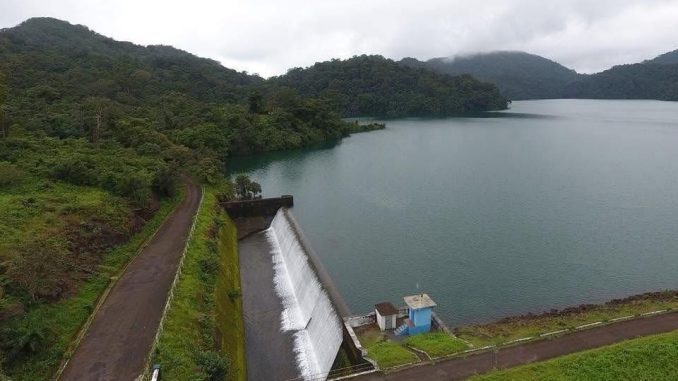
Specific instances of degradation were noted across the region's water infrastructure. Angola Upper and Lower Weirs, which are key components of Freetown's water supply system, have been extensively cleared of essential protective vegetation and have seen significant built-up development. Mamba Ridge, another key watershed for the capital, is now severely degraded due to the relentless pressures of environmental mismanagement and human activity. The situation at Charlotte Weir is particularly dire; this location, which once served as a reliable water source, has effectively ceased to function due to the extent of environmental damage. Areas such as Hastings, Thunder Hill, White Water (Botanical Garden FBC), and Blue Water (Wellington) are identified as increasingly vulnerable to ongoing environmental degradation, threatening their future viability as water sources. The cumulative impact of these activities paints a grim picture for the region's water resources.
Consequences for Water Supply
The full assessment conducted by the Guma Valley Water Company (GVWC) recorded widespread bacteriological contamination in various water sources. This contamination is directly linked to the proliferation of nearby settlements and prevalent inadequate sanitation practices within these encroached areas. Such contamination significantly elevates the costs associated with water treatment, as more intensive and expensive purification processes are required to ensure the water is safe for consumption. More critically, it presents substantial public health risks for Freetown's residents, increasing the potential for waterborne diseases.
The GVWC projects that the continued loss of water catchment areas will lead to a significant reduction in groundwater recharge, impairing the natural replenishment of underground water reserves. This degradation is also expected to diminish streamflow, impacting the volume of water available in rivers and streams. The environmental degradation will result in increased sedimentation in water bodies, which can clog infrastructure and further reduce water quality. These changes collectively contribute to a higher risk of flooding during heavy rainfall events, as the natural landscape's ability to absorb water is compromised. Beyond these immediate concerns, the GVWC emphasizes that environmental degradation is expected to diminish overall water quality, negatively impact biodiversity within these critical ecosystems, and weaken the region's overall climate resilience, making Freetown more susceptible to the adverse effects of climate change.
GVWC's Proposed Solutions
In response to this escalating water crisis, the Guma Valley Water Company (GVWC) has proposed a multi-pronged and urgent approach. The company advocates for coordinated action among all stakeholders, emphasizing the necessity of stronger law enforcement measures to curb illegal activities and an immediate halt to any further encroachment into critical water catchment areas. Community-led reforestation initiatives are also strongly suggested as a vital step towards restoring degraded landscapes and improving water retention.
Alongside these environmental restoration efforts, the GVWC calls for improved waste management practices to mitigate contamination risks and full public education campaigns to raise awareness about the importance of water conservation and environmental protection. The GVWC stresses the necessity of significant investment in the restoration of degraded catchments, recognizing that proactive measures are essential for long-term sustainability. The company showed that safeguarding forests and their associated ecosystems is fundamental to ensuring water security, protecting public health, and fostering sustainable development for future generations in Freetown and the wider Western Area.