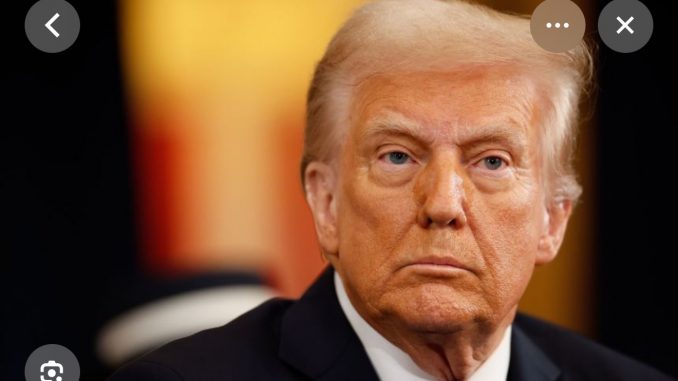
The U.S. State Department is scaling back its diplomatic operations in Africa, with two separate initiatives underway: the closure of some U.S. Embassies and consulates globally, including on the continent, and a reduction in visa-processing services across Africa. These two distinct issues mean that while some U.S. Diplomatic missions may close entirely, many embassies will remain open but will no longer process routine visa applications, centralizing these services elsewhere. Under a directive approved last week by Secretary of State Marco Rubio, the State Department will pare down consular operations to just 20 designated "hubs" across Africa, with these changes anticipated in June. This move means many embassies will remain open but will no longer process routine visa applications. Officials indicated the changes are driven by a need to reduce government spending and diplomatic operating costs, consolidate services, and tighten immigration controls. The Trump administration's rationale also includes increasing scrutiny of visa applicants, reducing visa overstays, and refocusing U.S. Diplomatic resources on strategic priorities, according to reports. Factors specific to Africa guiding this decision include cost versus demand, immigration policy, and broader government downsizing efforts.
The Trump administration's full rationale for these changes encompasses several key objectives. Primarily, it aims at reducing government spending and diplomatic operating costs, seeking greater efficiency in its global diplomatic network. A core component of this strategy involves consolidating services into regional 'hub' embassies, thereby streamlining operations. The administration is focusing on tightening immigration controls, which includes increasing scrutiny of visa applicants and implementing measures to reduce visa overstays. This strategic refocusing of U.S. Diplomatic resources is intended to prioritize areas deemed most critical to national interests. For Africa specifically, the decision-making process has been influenced by factors such as cost versus demand, particularly noting that smaller embassies often process fewer visas compared to major hubs. The administration's broader immigration policy, aimed at reducing overall immigration and increasing vetting, also plays a significant role. These initiatives are part of a wider global effort towards government downsizing, reflecting a strategic shift in how the U.S. Manages its diplomatic presence worldwide.
Countries Affected and Rationale
African countries identified for potential embassy closure or consolidation include Eritrea, The Gambia, Lesotho, Republic of the Congo, South Sudan, and Central African Republic. The U.S. State Department reportedly evaluated these embassies based on several criteria, including their consular workload, the cost associated with each diplomatic post, facility conditions, security ratings, and specific regional diplomatic requirements. This approach signals a broader strategic shift by Washington, moving away from maintaining a diplomatic presence in every country towards establishing fewer, larger regional hubs. These hubs are intended to concentrate on key areas such as security, immigration control, and strategic competition. The evaluation process for potential closures or consolidations was rigorous, taking into account the practicalities of consular services, the financial outlay per diplomatic mission, the physical state of the facilities, and the security environment, alongside the unique diplomatic needs of each region. The overall trend suggests that Washington is transitioning from a policy of maintaining a diplomatic presence in nearly every nation to one that favors fewer, larger regional hubs. These consolidated centers are designed to focus resources more intensely on critical areas such as regional security, immigration control, and addressing strategic competition from other global powers.
The Trump administration has also scaled back personnel at embassies and consulates globally, a move that aligns with its broader effort to tighten restrictions on issuing both immigrant and non-immigrant visas. This reduction forms part of the administration's policy to crack down on visa issuance. The administration has reduced the number of staff at diplomatic missions worldwide, reflecting a concerted effort to enforce stricter controls on both immigrant and non-immigrant visa categories. The overall trend suggests that diplomatic resources are being redirected, with a focus on efficiency and specific strategic objectives within Africa. This includes a more stringent review of visa applicants and a reduction in diplomatic operating costs. This broader realignment of resources shows a commitment to maximizing the impact of U.S. Diplomatic efforts while minimizing expenditure.
Broader Implications and Criticisms
Critics express concern that the reduction in U.S. Diplomatic presence, including embassy closures and scaled-back services, could diminish American influence across the African continent. Such a move, they argue, might create openings for other global powers, specifically China and Russia, to expand their own engagement. These changes are anticipated to complicate the process for African citizens seeking U.S. Visas, potentially weakening America's capacity for intelligence gathering, diplomatic engagement, and its ability to respond effectively to regional crises. Critics worry that by reducing its diplomatic footprint, the United States risks ceding ground to geopolitical rivals. They contend that making it harder for African citizens to obtain U.S. Visas could foster resentment and undermine goodwill, thereby hindering critical intelligence gathering efforts and limiting direct diplomatic engagement. This reduced capacity could also impair America's ability to respond swiftly and effectively to emerging regional crises, potentially destabilizing areas where U.S. Involvement has historically been key.
Visa processing in Africa has already faced several challenges prior to these latest announced changes. A requirement for some applicants to post bonds of up to $15,000 has been implemented, adding a significant financial barrier to the application process. Additionally, the U.S. Government has previously imposed travel bans on certain countries, which further restricted visa issuance for individuals from those nations. Restrictions on visa processing were also introduced due to the Ebola outbreak, impacting travel and diplomatic operations in affected regions. These prior measures, including the substantial financial burden of bond requirements and the impact of travel bans, have already made the visa application process more arduous for many African citizens.
Strategic Shift and Future Outlook
The U.S. State Department has designated 20 locations across Africa to serve as hubs for all consular processing, including visa applications. These strategic centers include Abidjan, Ivory Coast; Accra, Ghana; Addis Ababa, Ethiopia; Cape Town, South Africa; Dakar, Senegal; Dar-Es-Salaam, Tanzania; Djibouti, Djibouti; Johannesburg, South Africa; Kampala, Uganda; Kigali, Rwanda; Kinshasa, Congo; Lagos, Nigeria; Lome, Togo; Luanda, Angola; Malabo, Equatorial Guinea; Monrovia, Liberia; Nairobi, Kenya; Port Louis, Mauritius; Praia, Cape Verde; and Yaounde, Cameroon. This consolidation aims to streamline operations and centralize services following a broader reduction in diplomatic footprint. These 20 hubs will become the primary points of contact for all consular services, ensuring that even as other missions scale back, essential services remain available at strategically chosen locations.
Reports indicate no credible information suggesting the U.S. Embassy in Freetown, Sierra Leone, is slated for closure as part of these changes. There is currently no evidence linking the proposed reductions in diplomatic services to any specific democracy concerns, election disputes, or governance issues within Sierra Leone. The changes are part of a wider strategic realignment by the State Department, focusing on efficiency and the prioritization of resources across its global network. This article was published on June 4, 2026.