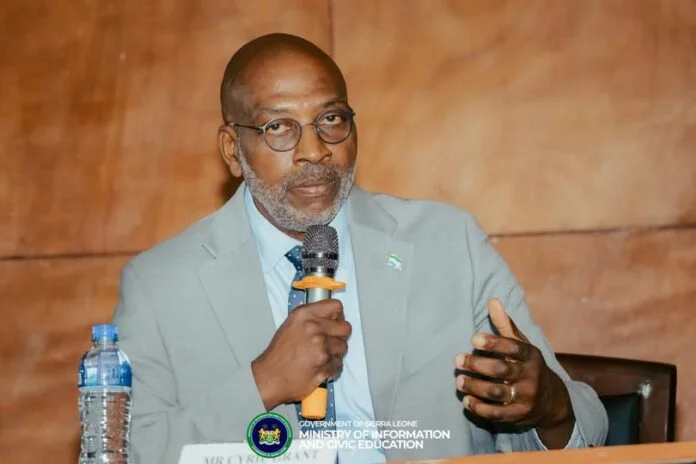
Sierra Leone anticipates significant enhancements to its electricity supply by the first quarter of 2027, according to government statements. Substantial improvements in electricity supply are expected to materialize in the first quarter of 2027, marking a key moment for the nation's energy sector. This development was discussed at the Weekly Government Press Conference held on June 9, 2026, at the Miatta Conference Centre in Freetown. The conference, a key platform for government communication, provided a full update on the nation's ongoing efforts to boost power generation and distribution. Officials detailed the various projects and strategic investments aimed at transforming the energy landscape across the country.
Addressing Current Power Challenges
Recent blackouts in Sierra Leone were attributed to seasonal reductions in water levels at the Bumbuna Hydroelectric Dam and annual maintenance on one of its turbines. These factors collectively contributed to temporary disruptions in the national power supply. The Bumbuna Hydroelectric Dam, a cornerstone of Sierra Leone's energy infrastructure, is currently generating between 9 and 10 megawatts following the completion of this essential maintenance. This output represents a key contribution to the national grid, especially as the dam recovers from seasonal fluctuations. To further support the national grid and mitigate supply gaps, Karpowership and various thermal generation facilities are actively supplementing the power supply. These diversified measures aim to stabilize the country's electricity distribution amidst ongoing challenges, ensuring a more consistent and reliable energy flow to homes and businesses. The government's proactive approach in addressing these challenges shows its commitment to improving energy access for all citizens.
Major Projects Underway
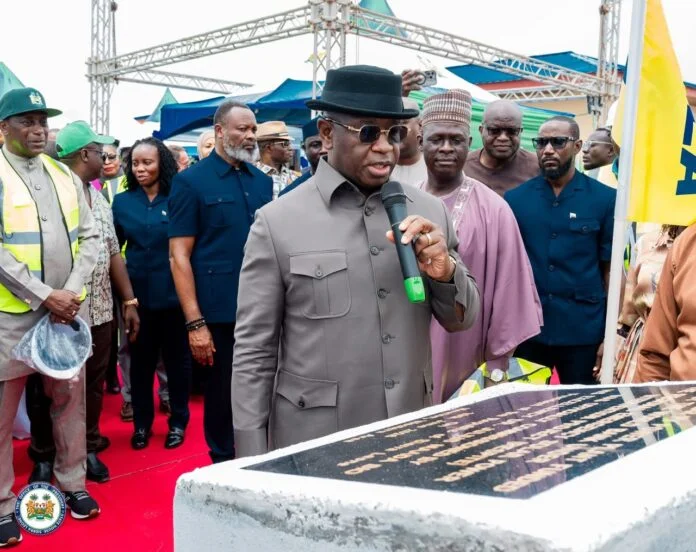
President Julius Maada Bio is expected to commission the completed 30-megawatt solar power project at Newton on June 10, 2026. This significant renewable energy initiative includes a 15-megawatt battery storage system, which will enhance grid stability and ensure power availability even when solar generation is low. The integration of such advanced storage technology marks a progressive step in Sierra Leone's energy strategy.
The Nant Energy Project is scheduled to generate 60 megawatts in its initial phase during the first quarter of 2027, with plans to expand to 108 megawatts later that year. This project is a cornerstone of the nation's future energy security. Turbine equipment for the Nant Energy Project has already been delivered, a clear indication that the project remains firmly on schedule. This timely delivery and installation are critical for meeting the ambitious targets set for its operational phases.
In addition to these developments, a 20-megawatt solar power project is currently under construction at Benguema. This facility will further diversify the country's energy mix and reduce reliance on traditional power sources. Another significant initiative is a 10-megawatt solar generation facility being developed in Lungi as part of the broader Regional Emergency Solar Project. These initiatives contribute to Sierra Leone's broader strategy to enhance its national power grid and improve electricity access across the country, particularly in underserved regions. The government is actively pursuing a multi-faceted approach, combining large-scale projects with regional initiatives to ensure full coverage.
Investing in Infrastructure and Future Growth
Sierra Leone has signed agreements totaling approximately 70 million United States dollars for the expansion of the Bumbuna Hydroelectric Project. This substantial investment shows the government's commitment to harnessing the nation's hydroelectric potential. The expansion is projected to add between 50 and 60 megawatts of additional generation capacity to the country's grid, significantly boosting its overall power output. This initiative is part of the government's broader strategy to enhance energy infrastructure, aiming for long-term sustainability and reliability. The government is also making considerable investments in critical infrastructure components, including substations, transmission lines, transformers, and distribution infrastructure across the nation. These investments are aimed at strengthening the national power network, improving electricity access, and enhancing the reliability of supply. By modernizing and expanding the entire energy delivery system, Sierra Leone is laying the groundwork to support future demand and economic growth. These full upgrades are essential for ensuring that generated power reaches consumers efficiently and consistently, thereby transforming the daily lives of citizens and fostering national development.