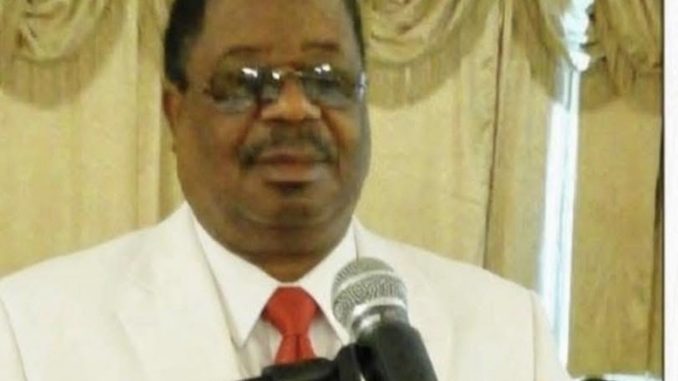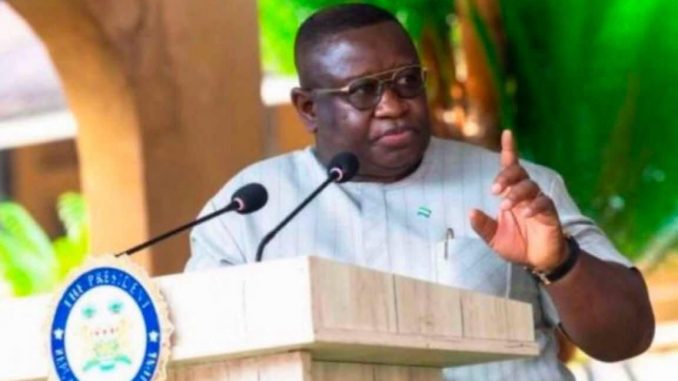
Ibrahim Fornah, a Sierra Leonean Human Rights Advocate, has submitted a petition to the Office of the Prosecutor of the International Criminal Court (ICC) in The Hague, Netherlands. The petition, dated August 22, 2026, specifically addresses the April 29, 1992 military coup and the subsequent conduct of the National Provisional Ruling Council (NPRC) regime, which governed the country from 1992 to 1996. This submission aims to bring international attention to historical abuses and alleged international crimes that occurred in Sierra Leone during this period.
The ICC, established by the Rome Statute, operates under specific jurisdictional limitations. Its authority to prosecute applies exclusively to crimes committed on or after July 1, 2002, the date the Statute came into force. This temporal limitation means that events preceding this date typically fall outside the court's direct purview. Fornah's petition seeks to explore potential avenues for accountability despite these established jurisdictional boundaries. The advocate's move notes an ongoing push for justice regarding historical conflicts in the region, particularly those predating the ICC's full operational capacity. The petition requests the ICC Prosecutor to determine if any alleged conduct continued beyond July 1, 2002, or otherwise falls within the court's jurisdictional requirements.
NPRC Regime's Alleged Crimes
The Sierra Leone Truth and Reconciliation Commission (TRC) concluded that the military coup on April 29, 1992, constituted an unconstitutional seizure of power. This finding showed the illegitimate foundation of the NPRC's rule from its inception. The TRC specifically found that the 29 April 1992 coup was an unconstitutional seizure of power, establishing a regime that lacked legitimate authority from its very beginning. According to the TRC's findings, Valentine E. M. Strasser, Julius Maada Bio, and Solomon A. J. Musa were identified as central figures in the planning and establishment of the National Provisional Ruling Council (NPRC). The commission further found that NPRC forces were responsible for extrajudicial executions of civilians who were accused of being rebels or rebel collaborators during their rule. These executions often occurred without due process, representing grave violations of human rights.
The TRC's investigation also uncovered evidence that the NPRC was responsible for the torture of detainees. These acts of torture were systematically carried out, contributing to a climate of fear and impunity. A specific instance noted by the commission involved the execution of twenty-six persons in December 1992, which occurred without due process of law. The TRC's report explicitly stated that the NPRC leadership bore responsibility for these murders, emphasizing the chain of command and the accountability of those at the helm. The lack of legal proceedings for these individuals before their deaths further compounds the severity of these alleged crimes. The commission's detailed findings established that the NPRC leadership was directly accountable for the deaths of the men executed in December 1992, pointing to a systemic failure to uphold fundamental human rights and legal procedures.
Within its findings, the TRC specifically attributed personal responsibility to Solomon A. J. Musa for acts of torture involving detainees who were subsequently put to death. This direct attribution of responsibility shows the individual culpability within the NPRC leadership structure. Julius Maada Bio, who was one of the key figures identified, testified before the TRC. During his testimony, Mr. Bio stated that he was one of the actual planners of the 1992 coup. This admission provides further insight into the origins of the NPRC regime and the roles played by its principal members. These findings from the TRC form a significant part of the historical record concerning the NPRC era in Sierra Leone, documenting a period marked by severe human rights abuses and a breakdown of the rule of law. The testimony of key figures like Julius Maada Bio, coupled with the TRC's careful documentation, provides a strong factual basis for the allegations of international crimes now being presented to the ICC.
Indemnity Decrees and Legal Challenges
Brigadier Julius Maada Bio promulgated the Indemnity and Transition Decree, known as NPRC Decree No. 6 of 1996, on March 14, 1996. This decree granted indemnity to members of the Armed Forces, the National Provisional Ruling Council (NPRC), and NPRC appointees for actions taken during the NPRC's period of rule. The decree aimed to shield these individuals from legal repercussions for their conduct while in power, effectively attempting to grant them immunity from prosecution for any alleged crimes committed during their tenure. The timing of this decree, shortly before the NPRC relinquished power, suggests an attempt to secure protection for its members. The provisions of NPRC Decree No. 6 of 1996 were full, covering a wide range of individuals and actions under the umbrella of indemnity, thereby attempting to foreclose future accountability.
Thirteen days later, on March 27, 1996, Brigadier Julius Maada Bio, then serving as Chairman of the NPRC, issued a further amendment, the Indemnity and Transition (Amendment) Decree, 1996, designated as NPRC Decree No. 10. This subsequent decree modified the original indemnity provisions, potentially broadening or clarifying the scope of protection for those associated with the NPRC regime. Despite these decrees, a human rights advocate's petition now requests the International Criminal Court (ICC) Prosecutor to assess whether any alleged conduct connected to the NPRC era continued beyond July 1, 2002, or otherwise meets the court's jurisdictional requirements. This challenge to the indemnity decrees notes the ongoing pursuit of accountability for historical wrongs, even in the face of domestic legal instruments designed to prevent prosecution. The issuance of NPRC Decree No. 10 of 1996 so soon after the initial decree showed the NPRC's determination to solidify legal protections for its members before the transition of power.
Following the NPRC's departure from power, the Sierra Leonean Parliament took action to address the indemnity decrees. Parliament repealed the Indemnity and Transition Decree, with the exception of its Section 4, through the National Provisional Ruling Council Decrees (Repeal and Modification) Act, 1996, also known as Act No. 3 of 1996. This legislative move effectively nullified much of the legal protection previously extended to former NPRC officials and military personnel, opening the door for potential domestic legal action. The partial repeal demonstrated a commitment by the subsequent civilian government to dismantle the legal framework that sought to shield NPRC members from accountability. The fact that Section 4 was retained suggests a nuanced approach, but the overall intent was to remove the broad immunity. Act No. 3 of 1996 represented a significant step towards re-establishing the rule of law and signaling a departure from the impunity that characterized the NPRC era.
Petitioner's Arguments and ICC Jurisdiction
The petition, dated August 22, 2026, was submitted by Ibrahim Fornah to the Office of the Prosecutor of the International Criminal Court (ICC). The filing specifically addresses the military coup that occurred on April 29, 1992, and the subsequent actions of the National Provisional Ruling Council (NPRC) during its period of governance in Sierra Leone. This submission seeks to bring alleged international crimes committed during that era to the attention of the ICC Prosecutor, urging an examination of events that have long been a source of contention and calls for justice within Sierra Leone.
The Sierra Leone Truth and Reconciliation Commission (TRC) identified key figures in the NPRC's leadership. According to the TRC's findings, Captain Valentine E. M. Strasser, Lieutenant/Brigadier Julius Maada Bio, and Captain Solomon A. J. Musa were the principal military leaders during the NPRC period. These individuals were central to the planning and establishment of the NPRC, which ruled Sierra Leone from 1992 to 1996. The advocate's petition aims to prompt an assessment of whether any conduct linked to these leaders or the NPRC era could fall under the ICC's jurisdiction, despite the court's temporal limitations. The TRC's detailed reporting on their roles and responsibilities provides a factual basis for the petition's claims. The TRC specifically identified these three individuals as the principal military leaders who bore ultimate responsibility for the actions and policies of the NPRC regime.
The petition asks the ICC Prosecutor to consider the nature of the crimes alleged during the NPRC regime. While the ICC's jurisdiction generally applies to crimes committed after July 1, 2002, the advocate is pressing for a review to determine if any elements of the alleged conduct continued beyond this date or meet other criteria for the court's intervention. This approach seeks to navigate the established legal frameworks to potentially hold individuals accountable for historical abuses in Sierra Leone. Fornah's submission underlines the principle that serious international crimes should not go unpunished, even if jurisdictional hurdles exist. The petition represents a significant effort to ensure that the victims of alleged NPRC era abuses receive the justice they have long sought, by exploring all available avenues within international law. The temporal limitation of the ICC's jurisdiction, which applies only to crimes committed after July 1, 2002, presents a significant challenge, but the petition seeks to identify any possible continuations or specific circumstances that might bring these historical abuses within the court's purview.