A Policy Familiarization Workshop on the Sierra Leone National Clean Cooking Strategy 2025–2035 was conducted in Freetown, Sierra Leone, on Tuesday, June 9, 2026. The event aimed to introduce the strategy, which seeks to improve access to clean cooking solutions across the West African nation. This workshop represents a key step in Sierra Leone's efforts to implement its long-term clean cooking objectives. The workshop was hosted by the Government of Sierra Leone through the Ministry of Energy, showing the nation's commitment to this critical initiative.
Strategy Goals and Pillars
The Sierra Leone National Clean Cooking Strategy 2025–2035 aims to transform the country's household energy sector. The primary objective is to reduce the nation's reliance on traditional cooking fuels such as firewood and charcoal, fostering a shift towards cleaner alternatives. This strategic framework is built upon five key pillars designed to support its implementation. The overarching goal is to ensure that a significant portion of the population gains access to modern, efficient, and sustainable cooking methods within the next decade.
The strategy’s five strategic pillars are expanding affordability for clean cooking solutions, increasing public awareness regarding their benefits, and supporting private sector investment in the clean cooking market. These pillars are designed to address both the supply and demand sides of the clean cooking ecosystem. Additionally, the strategy focuses on strengthening regulations pertinent to the energy sector and improving coordination among all stakeholders involved in the clean cooking initiative. Effective collaboration between government bodies, private enterprises, and civil society organizations is deemed key for the successful execution of the strategy. Each pillar represents a vital component in creating an enabling environment for the widespread adoption of clean cooking technologies.
Health and Environmental Imperative
Indoor air pollution, a direct consequence of traditional cooking methods, continues to pose a significant public health challenge in Sierra Leone and across West Africa. Thousands of deaths are linked annually to prolonged exposure to smoke from these methods. The widespread reliance on traditional biomass fuels, such as firewood and charcoal, has resulted in the loss of hundreds of thousands of lives, particularly affecting women and children, due to this indoor air pollution. The low penetration of clean cooking solutions throughout West Africa exacerbates this issue, leaving millions of households without safer alternatives. Beyond the immediate health impacts, the extensive use of biomass fuels contributes significantly to deforestation and greenhouse gas emissions, further compounding environmental degradation in the region. Addressing this challenge is therefore not only a matter of public health but also environmental sustainability.
ECOWAS Commitment and Vision
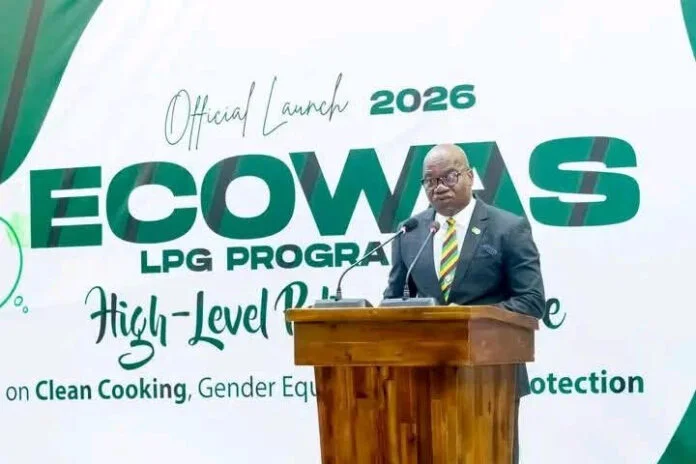
The policy familiarization workshop convened at the Sierra Palms Resort in Freetown. The Sierra Leone National Clean Cooking Strategy 2025–2035, which was the focus of the event, had been officially launched in 2025, outlining a ten-year plan to transition the nation towards sustainable cooking practices. This strategy aligns with broader regional goals for energy transition and sustainable development. To facilitate the execution of this strategy, Sierra Leone established the Clean Cooking Delivery Unit. This unit is tasked with overseeing the implementation and coordination efforts related to the country's clean cooking objectives. The strategy's rollout and the creation of its dedicated delivery unit show Sierra Leone's commitment to addressing energy challenges and promoting healthier, more environmentally sound cooking solutions for its populace. The support from regional bodies like ECOWAS notes the collective effort required to tackle such widespread issues.
Empowering Women and Future Investment
The Government of Sierra Leone, through its Ministry of Energy, hosted the policy familiarization workshop in Freetown. The workshop provided a platform for discussing strategies to advance clean cooking solutions, which are integral to the nation's development agenda. The discussions emphasized the transformative potential of clean cooking, particularly for women and girls who often bear the brunt of traditional cooking methods' health and time burdens. A key regional effort aligned with these goals is the ECOWAS LPG 20/20 Initiative. This initiative aims to establish liquefied petroleum gas as the primary household cooking fuel across the sub-region. It sets an ambitious target for LPG penetration, seeking to achieve a rate of 45 percent by the year 2030. Such regional initiatives provide a framework for member states to collaborate and share best practices, accelerating the transition to cleaner energy sources. The workshop served as a key forum for reinforcing the importance of clean cooking as a pathway to improved livelihoods, economic empowerment, and environmental protection.