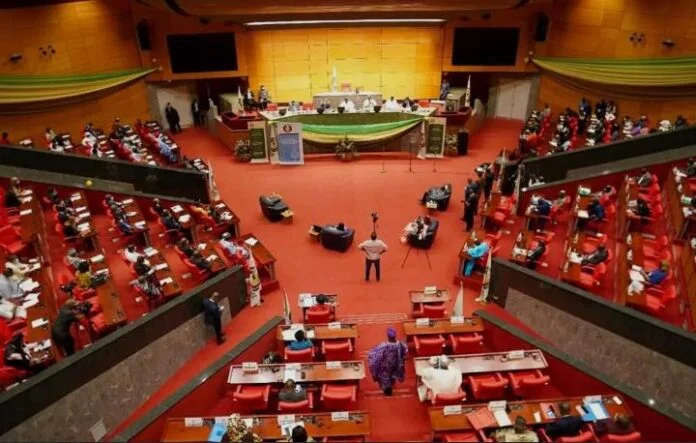
The Parliament of the Economic Community of West African States (ECOWAS) began its 2026 First Ordinary Session in Abuja, Nigeria. This significant gathering marks the commencement of a period of intense legislative activity for the regional body. The session precedes a major summit scheduled for May 21, 2026, in Lomé, Togo. The upcoming summit aims to accelerate the implementation of ECOWAS Vision 2050, a full strategic framework designed to guide the region's development and integration over the coming decades. This vision encompasses various pillars, including peace and security, economic prosperity, and good governance, all key for the collective advancement of West African nations.
Building Peace Through Dialogue
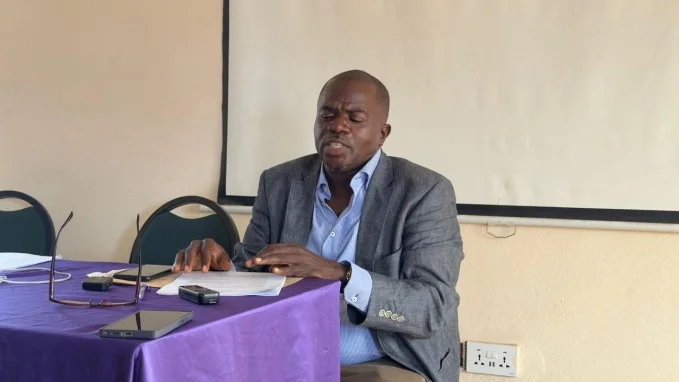
Dedou P. Hémou, the Speaker of the ECOWAS Parliament, showed the importance of dialogue in resolving the political and security challenges facing West Africa. Speaker Hémou emphasized that peaceful discussions are essential for achieving sustainable stability within the region. He noted the ongoing efforts to engage member states in constructive conversations aimed at fostering reconciliation and preventing further conflicts. The Speaker's remarks come as the region grapples with complex issues affecting countries such as Burkina Faso, Mali, and Niger, which have experienced significant political transitions. He reiterated the Parliament's commitment to supporting initiatives that promote peace and strengthen democratic institutions across the Economic Community of West African States. This steadfast approach prioritizes collaborative solutions to regional issues, aiming to ensure long-term development and security for all citizens within the ECOWAS bloc. The emphasis on dialogue is seen as a fundamental tool to navigate the intricate geopolitical landscape and reinforce the bonds of regional solidarity.
Parliamentary Session Details
The current session of the ECOWAS Parliament is scheduled to run from May 4 to May 16, 2026. This parliamentary gathering is one of the regular meetings mandated by the organization's foundational documents. During this period, parliamentarians will engage in deliberations on various regional issues, propose legislative actions, and review the progress of ongoing ECOWAS initiatives. According to Protocol A/P2/8/94, the Community Parliament is required to convene in Ordinary Sessions at least twice annually. Each of these ordinary sessions can extend for a maximum duration of three months, providing ample time for thorough legislative processes and oversight functions. The current session aligns with this established protocol, serving as a vital platform for legislative deliberation within the regional body and contributing to the democratic governance of the Economic Community of West African States. The work undertaken during these sessions is critical for translating ECOWAS objectives into actionable policies.
Regional Integration Challenges
Burkina Faso, Mali, and Niger formally withdrew from the Economic Community of West African States in early 2025, posing significant challenges to regional integration efforts. This unprecedented departure of three member states has profoundly impacted the organization's collective security and economic initiatives, requiring a re-evaluation of regional strategies. Their withdrawal shows the complex political dynamics currently at play within the West African bloc, noting the need for strong diplomatic engagement. This development necessitates a reassessment of strategies to foster unity and cooperation among the remaining ECOWAS members, as the organization seeks to maintain its foundational principles of solidarity and shared prosperity. The ECOWAS Parliament continues to emphasize dialogue as a critical tool for addressing such regional fissures and promoting stability, advocating for pathways that could potentially lead to renewed engagement and strengthened regional cohesion in the future.
Historical Context and Structure
The ECOWAS Parliament was established in 2000, marking a significant step in the regional integration efforts of West Africa. This legislative body was originally composed of 115 members. These representatives were drawn from all 15 member states that constituted the Economic Community of West African States at the time of its formation, ensuring broad representation across the diverse cultures and economies of the region. The establishment of the Parliament provided a democratic platform for citizens' voices to be heard at the regional level, fostering greater accountability and transparency in the decision-making processes of ECOWAS. Its role has evolved over the years, becoming increasingly central to the community's efforts to achieve political stability, economic growth, and social development across West Africa.