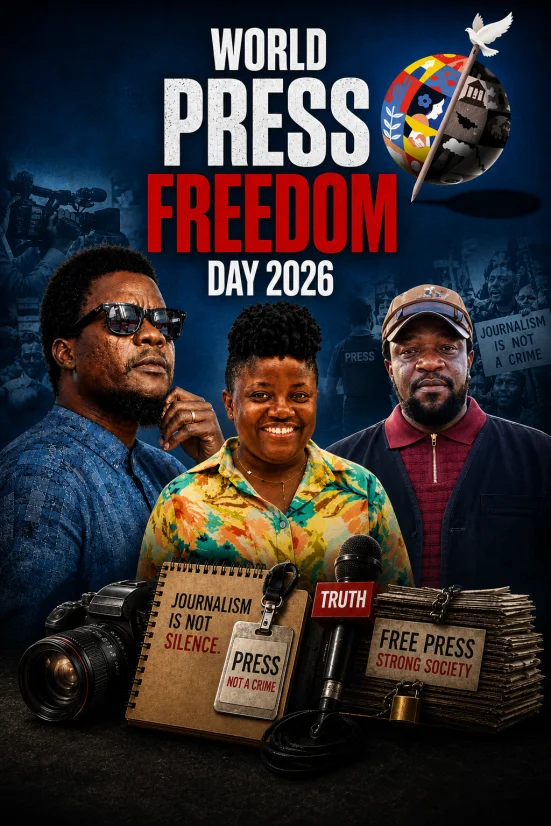
Sierra Leone's press freedom standing significantly declined, dropping more than 20 places in the 2026 World Press Freedom Index, according to reports issued Wednesday, May 6, 2026. This substantial fall, specifically a drop of more than 20 places, has prompted urgent calls for greater protection and support for journalists operating in the West African nation. The decline shows a concerning trend for media professionals in the country.
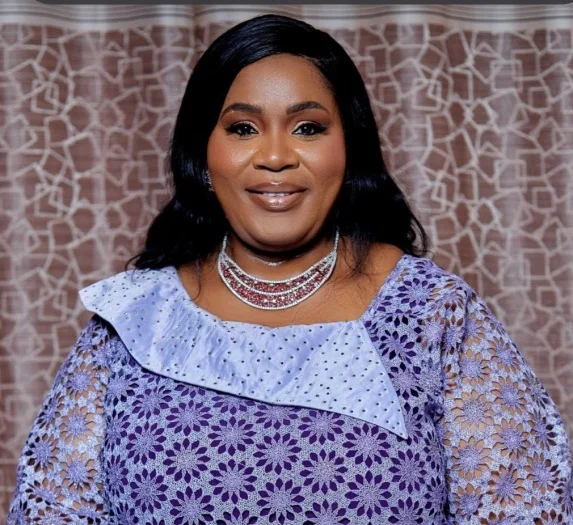
Communication and media expert Dr. Tonya Musa weighed in on the situation, describing the current moment as a turning point for the country's media landscape. Dr. Musa noted that this period is shaped by both progress and persistent challenges confronting the press, noting the complex environment in which journalists are now working. The expert's assessment reflects a critical juncture for the future of independent reporting and public discourse in Sierra Leone.
Global Press Freedom Landscape Unveiled by Reporters Without Borders
The 2026 World Press Freedom Index was released by Reporters Without Borders (RSF), coinciding with global commemorations of World Press Freedom Day. The annual report serves as a key barometer for the state of journalism worldwide, revealing both advancements and alarming regressions. Reports indicated a grim reality for media professionals, with at least 129 journalists killed in 2025 alone, showing the extreme dangers faced by those dedicated to reporting the news.
The global picture painted by the 2026 Index is largely one of deterioration. Across the globe, a significant majority of nations experienced a decline in their press freedom scores, with 100 out of 180 countries and territories seeing their scores fall. This widespread regression signals a challenging environment that impacts journalistic integrity and public access to information on an unprecedented scale.
Despite the European Media Freedom Act (EMFA) entering into force, a legislative measure designed to protect media pluralism and independence, several European Union member states are reportedly still in breach of the legislation. This indicates a persistent struggle even within regions with established democratic frameworks to uphold the principles of a free press. In the global rankings, Russia was placed 172nd, marking a rise of one position, a slight improvement amidst a generally restrictive media landscape. Turkmenistan also saw a marginal improvement, moving up one place to 173rd in the index, though both nations remain near the bottom of the global assessment. Belarus, another Eastern European nation, is ranked 165th, marking a decline of one place, reflecting further tightening of media controls. Azerbaijan is positioned at 171st, having dropped four places, indicating a worsening environment for its journalists.
Conversely, Ukraine, despite the ongoing conflict within its borders, showed a slight improvement in its press freedom standing, rising seven places to 55th. This upward movement suggests resilience and adaptability within the Ukrainian media sector even under extreme duress. The United States, however, saw its ranking decline by seven places to 64th, a shift attributed by the report to growing political pressure on the media, which has created a more hostile environment for journalists. Argentina registered a significant drop of 11 places, landing at 98th, amid reports of multiplying lawsuits targeting the press, a tactic often used to silence critical reporting. El Salvador also experienced a notable decline, falling eight places to 143rd. This downturn is largely attributed to its 2025 foreign agents law, which is intensifying the crackdown on the press and forcing many journalists into exile, noting the severe consequences of restrictive legislation. The overall trend indicates a challenging environment for journalists in a substantial number of nations, with both established democracies and countries in conflict zones facing unique pressures.
Estonia, a country often lauded for its digital freedoms, has slipped from 2nd to 3rd place in the 2026 World Press Freedom Index, a change attributed to political pressure on the press. This subtle shift in a high-ranking nation shows that even in countries with strong democratic traditions, the media can face significant challenges.
Regional Press Freedom Declines: A Global Overview of Deterioration
The regional analyses within the 2026 World Press Freedom Index paint a stark picture of declining press freedom across continents. In the Asia-Pacific region, press freedom is classified as either "difficult" or "very serious" in the majority of countries, according to Reporters Without Borders. This categorization notes systemic issues that impede independent journalism. China, ranked 178th, holds the unfortunate distinction of having the highest number of journalists detained globally, with 121 media professionals reportedly behind bars. This aggressive suppression of information and dissent makes China one of the most restrictive environments for the press. In the Philippines, which is ranked 114th, authorities have increasingly utilized terrorism charges stemming from "red-tagging" as a means to silence the press. This tactic labels journalists as communist sympathizers or terrorists, exposing them to legal persecution and harassment, thereby undermining their ability to report freely and safely.
Sub-Saharan Africa also continues to face a significantly deteriorated state of press freedom, with many nations grappling with severe restrictions and threats to journalists. Eritrea remains at the bottom of the Index, ranked 180th, making it the country with the least press freedom globally. This consistent low ranking points to a complete lack of media independence and widespread governmental control over information. Burkina Faso saw a decline of five places to 110th, reflecting a worsening situation for its media professionals. Niger recorded the steepest fall in the Index across all countries, dropping 37 places to 120th. This dramatic decline signals a rapid deterioration of press freedom conditions, likely driven by political instability and increased governmental control. The Democratic Republic of the Congo is ranked 130th, while Burundi is positioned at 119th, both indicating challenging environments for journalists. Rwanda's ranking stands at 139th, further showing the widespread issues faced by media in the region.
The Middle East and North Africa (MENA) region is described by the 2026 Index as experiencing the most catastrophic state of press freedom. This assessment is borne out by the numbers: out of 19 countries in MENA, 18 are classified as either "very serious" (11 countries) or "difficult" (7 countries). This overwhelming concentration of restricted environments notes systemic issues ranging from state censorship and arbitrary detention to violence against journalists. Such conditions severely limit the ability of the press to inform the public and hold power accountable. However, amidst this grim regional outlook, Syria experienced a historic improvement, rising a remarkable 36 places from 177th in 2025 to 141st in 2026. This significant positive shift occurred one year after the fall of dictator Bashar al-Assad, suggesting that political transitions, even in highly repressive states, can open avenues for greater press freedom.
Reports also indicated a tragic toll on journalists in conflict zones. Since October 7, 2023, more than 220 Palestinian journalists have been killed by the Israeli army during the war in Gaza. This devastating figure notes the extreme dangers faced by journalists covering armed conflicts. At least 70 of these journalists were reported slain specifically due to their work in Gaza, showing that they were targeted or killed in the line of duty, emphasizing the direct risks associated with reporting from such volatile areas.
Calls for Action and Protections: Safeguarding the Future of Journalism
In response to Sierra Leone's significant decline and the broader global challenges, the Sierra Leone Association of Journalists (SLAJ) has renewed its call for stronger and more durable protections for press freedom. SLAJ emphasized the critical need for constitutional guarantees that explicitly safeguard freedom of expression and ensure the safety of journalists. Such constitutional backing would provide a strong legal framework to protect media professionals from undue interference and harm. The Association also expressed deep concern over provisions in existing laws, including aspects of the Cybersecurity and Crime Act and the Counter-Terrorism Act, which it believes could be misused to restrict legitimate journalistic activity. These concerns stem from the potential for broad interpretations of such laws to criminalize reporting or suppress critical voices under the guise of national security. Additionally, SLAJ drew attention to the growing threat of digital harassment, particularly targeting female journalists, and called for stronger measures to address online abuse and intimidation. This form of harassment, often anonymous and widespread, can have a chilling effect on journalists, especially women, forcing them to self-censor or withdraw from public discourse.
The Sierra Leone Reporters Union (SLRU) has showed that press freedom is essential to national development, peace, and democratic governance. The Union firmly believes that a strong and independent press is not merely a luxury but a fundamental pillar for a functioning society. SLRU pointed to a range of challenges that impede effective journalism, including poor working conditions, limited access to information, economic hardship, and rising threats against reporters. These systemic issues create an environment where journalists struggle to perform their duties effectively and safely. The SLRU maintained that a free press should not be seen as an adversary of the state but as a partner in nation-building, emphasizing its key role in fostering transparency, accountability, and informed public debate. This perspective advocates for a collaborative relationship between the government and the media, recognizing that both have a shared interest in the country's progress. The combined calls from SLAJ and SLRU highlight the urgent need for full reforms and increased protection to reverse the decline in press freedom and ensure a vibrant, independent media landscape in Sierra Leone.