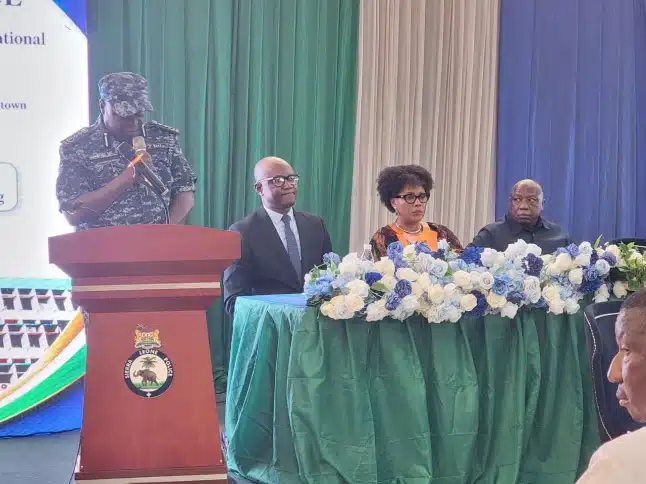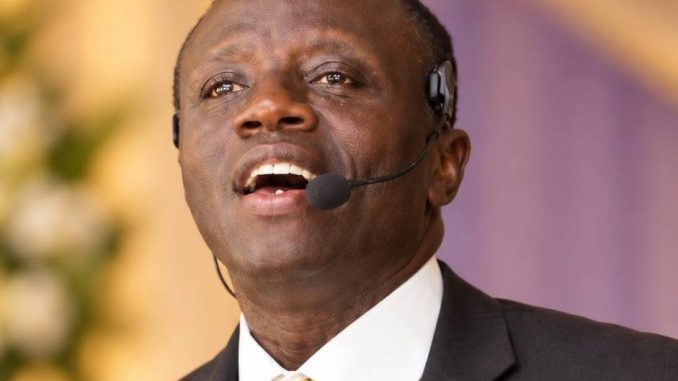
Alhaji Amadu Brakindo Juldeh Sowe officially declared his candidacy for the presidency of Tabital Pulaaku International on August 29, 2026. The announcement was made at the organization's headquarters in Bamako, Mali. Mr. Sowe's bid marks a significant development for the international Fulani cultural association, noting the dynamic nature of its leadership. His declaration initiates the formal process for the upcoming presidential election within Tabital Pulaaku International, an influential body headquartered in the West African nation. The event drew considerable attention to the leadership succession within this prominent organization, which plays a key role in representing the global Fula community. This formal announcement signals the beginning of a new electoral cycle for the association, setting the stage for a period of campaigning and debate among its members.
Campaign Platform Details
Alhaji Amadu Brakindo Juldeh Sowe's presidential campaign for Tabital Pulaaku International centers on a platform emphasizing unity, cultural preservation, and stronger leadership for the organization. His agenda also includes fostering global cooperation and promoting economic empowerment among members, aiming to uplift Fula communities worldwide. Mr. Sowe's campaign has adopted the slogan, “Leadership for Unity, Vision for Progress, Service to the People.” This slogan encapsulates his commitment to a forward-looking and service-oriented presidency. The campaign's broader appeal to the electorate is articulated as "United for Pulaaku, united for progress and united for the future," showing a collective aspiration for advancement. These core tenets define the vision Mr. Sowe presents for the future direction of Tabital Pulaaku International, aiming to address the diverse needs and aspirations of its constituents. His full agenda seeks to strengthen the organization's impact and relevance on the international stage.
Context of Tabital Pulaaku
Tabital Pulaaku International, a prominent cultural organization, represents the Fula people, a widely dispersed ethnic group. The Fula, also known as Fulani, Fulɓe, or Peul, are an ethnic group predominantly found across the Sahel and West Africa. Their presence extends through numerous countries, creating a broad geographic and cultural footprint across the continent and beyond. This global distribution means that Fula communities are not confined to a single nation or region but are spread across several countries and continents, influencing various cultures and societies. The organization's mission involves preserving and promoting the rich cultural heritage and interests of these diverse Fula populations wherever they reside. This extensive spread of the Fula people shows the international scope and relevance of Tabital Pulaaku International's work, making its leadership key for cultural continuity and advocacy. The organization acts as a unifying force for a people whose diaspora is significant and varied.
Vision for Global Fula Community
Alhaji Amadu Brakindo Juldeh Sowe's campaign for the presidency of Tabital Pulaaku International features the slogan, “One People, One Vision, One Future.” This slogan encapsulates his broader message to the global Fula community, aiming to instill a sense of shared destiny. Mr. Sowe's message to the international community is anchored on four specific themes: one people, one identity, one vision, and one united future. These themes are designed to resonate deeply with Fula populations, emphasizing their common heritage and collective aspirations. His platform aims to foster a sense of collective purpose and shared heritage among the diverse Fula populations worldwide, transcending geographical and national boundaries. The campaign seeks to unify Fula communities across different regions and countries under a common framework for cultural preservation and advancement. This approach emphasizes the interconnectedness of Fula people globally, regardless of their geographical location, and advocates for a stronger, more cohesive international presence for the Fula identity.