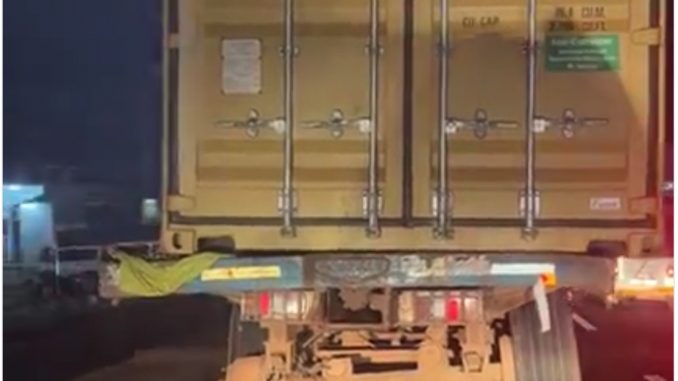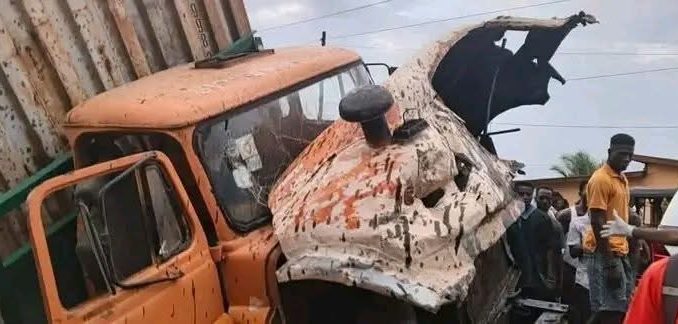
At least 10 people died in Sierra Leone after an unsecured container fell from a moving truck on the Rokel Container Waterloo Highway in Freetown. The accident occurred on Friday, according to local authorities, causing immediate fatalities and exposing critical road safety issues in the West African nation. The container reportedly detached from the vehicle while in motion, crushing individuals in its path. This tragic event has reignited public debate over the enforcement of transport regulations and the safety standards governing heavy cargo vehicles across the country. The loss of at least 10 lives shows the severe consequences of negligence in freight transportation and notes a pressing need for reform.
Tragic Incident Details
A devastating accident unfolded along the Rokel Container Waterloo Highway, where an unsecured container detached from a moving truck. The incident resulted in the deaths of 10 individuals, leaving a community in shock and mourning. Witnesses described a scene of chaos as the large container separated from its chassis, rolling onto unsuspecting pedestrians and vehicles. This event echoes a similar, previous incident that occurred at Lumley, noting ongoing concerns regarding vehicle safety and cargo securing practices in the country. The recurrence of such catastrophic failures points to a deeply entrenched problem that demands immediate and full attention from all stakeholders. The specific details of the container's detachment are under investigation, but preliminary reports suggest a failure in the securing mechanisms.
Current regulations stipulate that heavy container trucks are restricted from using main Freetown streets during the daytime. These vehicles are permitted to operate on these routes only after 10 PM. This restriction is designed to reduce traffic congestion and minimize the risk of accidents during peak hours when pedestrian and vehicular traffic is highest. Specific routes are assigned for heavy container trucks to manage traffic flow and mitigate potential hazards. The recent accident on the Rokel Container Waterloo Highway shows the critical importance of adherence to these safety protocols and the secure transportation of goods. The tragic loss of life could potentially have been avoided had all safety measures been rigorously followed and regulations strictly enforced. The government's transport ministry is expected to provide further details as the investigation progresses.
Systemic Failures in Transport
Regulations governing heavy container trucks are frequently disregarded, contributing to a pattern of unsafe transport practices that endanger the public. Devastating incidents involving unsecured containers have occurred multiple times on Sierra Leonean roads, pointing to systemic issues beyond isolated accidents. These repeated occurrences suggest a fundamental breakdown in the oversight and enforcement mechanisms designed to ensure road safety. Drivers often fail to properly secure heavy cargo containers, increasing the risk of detachment during transit. This negligence is a primary factor in many of these accidents, yet the root causes of this widespread disregard for safety protocols remain largely unaddressed.
A significant challenge lies in accountability, as many transport companies and container owners are not held responsible for reckless behavior that leads to such incidents. This lack of enforcement allows dangerous practices to persist, creating a widespread culture of impunity. Authorities tasked with enforcing these key safety regulations are often not proactive enough in their oversight and interventions. There is a perceived lack of routine inspections, insufficient penalties for violations, and a general laxity in monitoring compliance. The repeated nature of these accidents suggests a broader failure in the monitoring and compliance mechanisms intended to protect public safety on the nation's roadways. This systemic failure not only puts lives at risk but also erodes public trust in the transport sector and regulatory bodies. Addressing these deep-seated issues requires a concerted effort from the government, law enforcement, and the transport industry itself.
Calls for Regulatory Overhaul
The Government of Sierra Leone faces urgent calls to review and strengthen regulations governing container transportation and road safety enforcement. Public outcry following the recent tragedy has intensified the demand for immediate and decisive action. Advocates argue that drivers operating recklessly or failing to secure cargo properly should face immediate license revocation. This measure would serve as a strong deterrent and ensure that only responsible and compliant drivers are on the roads. Companies repeatedly connected to negligence and deadly accidents ought to have their operating privileges suspended or revoked. Such stringent actions would compel transport companies to prioritize safety over profit and invest in proper training and equipment.
There is also a push for the mandatory implementation of a specialized insurance policy specifically for container cargo transportation. This policy would aim to provide a safety net and ensure full accountability in the event of future incidents, covering damages, injuries, and fatalities. Currently, victims and their families often face significant hurdles in seeking compensation, exacerbating their suffering. The introduction of such an insurance scheme would not only offer financial protection but also incentivize companies to adhere to higher safety standards to minimize their premiums. These proposed reforms collectively aim to create a more strong regulatory framework, foster a culture of accountability, and ultimately prevent further loss of life on Sierra Leone's roads. The urgency of these calls reflects a growing public demand for a transport system that prioritizes human life above all else.