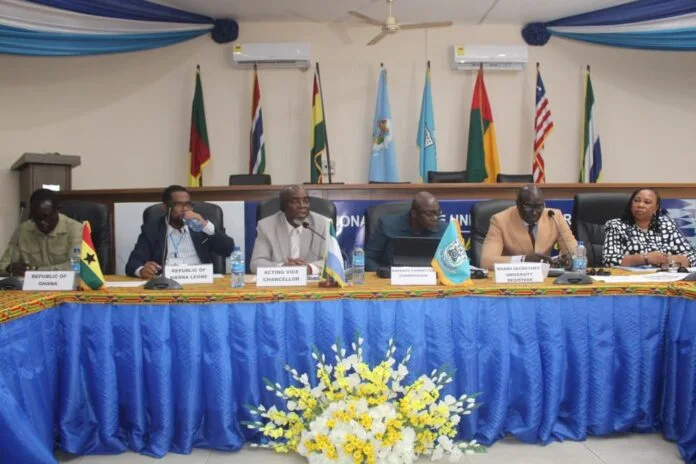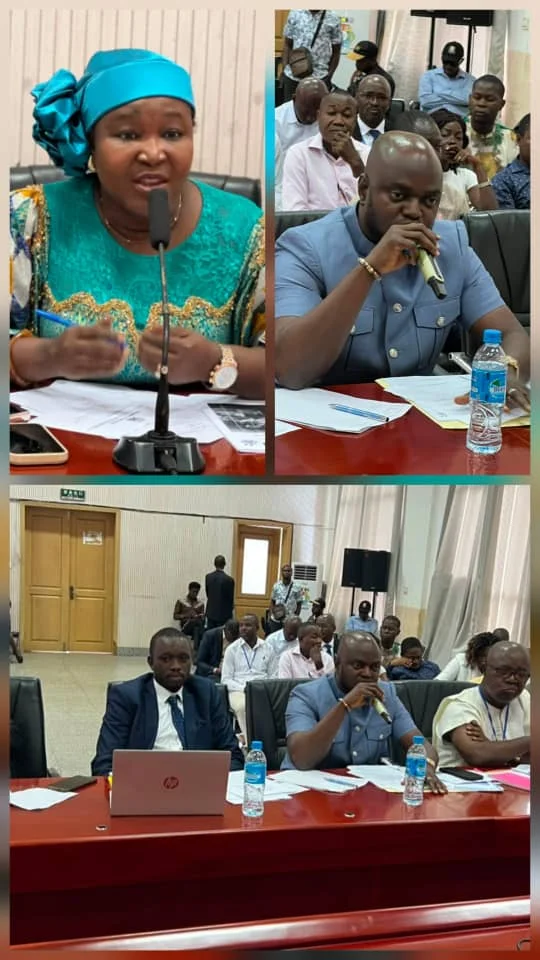
UNICEF, in collaboration with the Government of Sierra Leone and the Global Partnership for Education (GPE), launched a two-day Strategic Workshop on Blended and Innovative Financing for Education in Freetown. The workshop, aiming to explore new funding mechanisms for education, commenced on Thursday, June 25, 2026, and concluded the following day, Friday, June 26, 2026. Convening participants at the New Brookfields Hotel, the initiative focused on identifying innovative financial strategies to support educational development within Sierra Leone. This collaborative effort brought together key stakeholders to address the challenge of securing sustainable and diverse funding sources for the country's education sector, reflecting a concerted push towards enhancing educational outcomes through strategic financial planning. The event, held in the nation's capital, showed the collective commitment of national and international partners to bolster the educational landscape of Sierra Leone. The discussions over the two days were designed to foster a full understanding of current financial hurdles and to pave the way for more strong and resilient funding models.
Education Funding Challenges
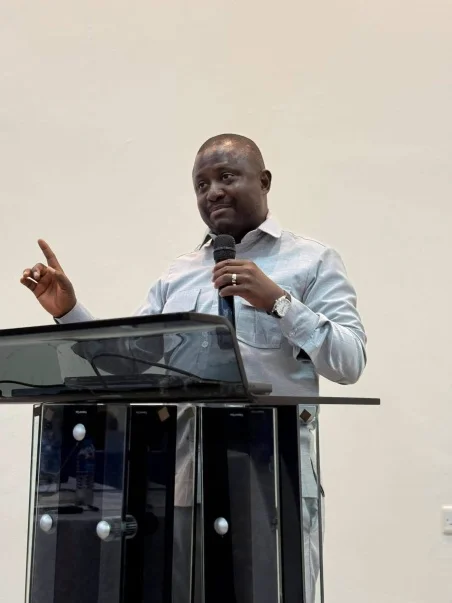
Minister of Basic and Senior Secondary Education, Conrad Sackey, stated that traditional funding models can no longer adequately support the country’s growing educational needs. Sackey emphasized a need for a fundamental shift in how education is financed in Sierra Leone. He noted that the reliance on conventional approaches has proven insufficient in addressing the expanding demands of a dynamic educational system. "Education financing should no longer be viewed as the sole responsibility of development partners but as a national obligation requiring stronger domestic revenue mobilization, improved public budgeting, greater private sector participation and sustained collaboration with international partners," Sackey said. This statement articulated a vision for a more integrated and domestically driven financial framework. He described blended financing as a practical approach rooted in the African tradition of collective responsibility, noting that "resources are more likely to be protected and managed efficiently when all stakeholders contribute towards a common goal." This perspective suggests that shared ownership leads to better stewardship of funds. Sackey urged participants to deliver practical commitments with measurable actions, implementation timelines, and dedicated financial allocations, calling on them to ensure every recommendation identified responsible institutions and realistic implementation plans. His call to action stressed the importance of moving beyond theoretical discussions to concrete, actionable strategies.
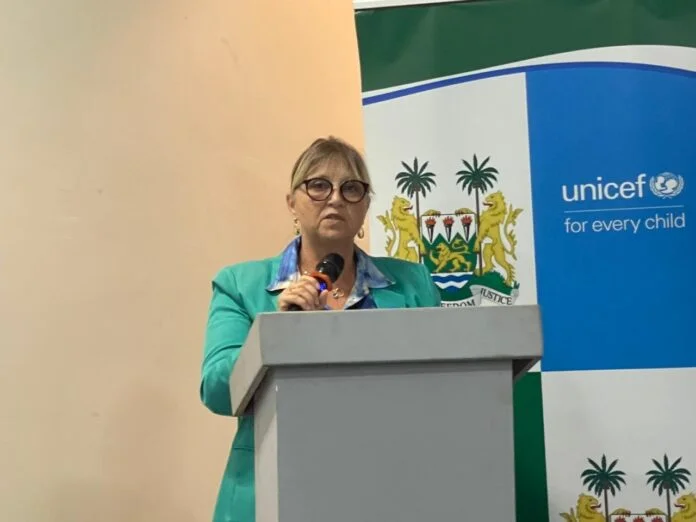
UNICEF Deputy Representative, Liv Elin Indreiten, noted that Sierra Leone continues to face significant financing gaps, delays in fund disbursement, and limited fiscal space. These challenges, Indreiten noted, constrain investment in school infrastructure, foundational learning, education services for children in remote communities, and climate-resilient education systems. The persistent nature of these financial obstacles has a direct impact on the quality and accessibility of education across the nation. Indreiten stated that debt servicing is projected to consume nearly one third of the national budget in 2026, which is more than twice the size of the education budget. This stark comparison illustrates the severe fiscal pressures on the government and the disproportionate allocation of funds away from critical social sectors like education. The substantial portion of the national budget dedicated to debt servicing severely limits the government's capacity to invest in essential educational reforms and expansions. Indreiten affirmed UNICEF’s commitment to supporting sustainable, equitable, and resilient education financing, stating, "Investment in children is one of Sierra Leone’s most important national priorities." She added that the workshop provides an important opportunity to identify practical solutions to make education financing more adequate, efficient, equitable, and resilient. Her remarks showed the urgency of the workshop's mission in securing a brighter future for the nation's children through improved educational funding.
Strategic Workshop Objectives
Sierra Leone has committed to increasing its education expenditure to between three and five percent of its Gross Domestic Product by 2030. This financial target shows the nation's long-term vision for educational development and resource allocation. This ambitious goal reflects a strategic understanding that sustained investment in human capital is key for national progress and economic growth. The commitment forms a key part of the broader strategy to enhance the education sector's capacity and outcomes, aligning with international best practices for educational funding. Achieving this target will require concerted efforts in domestic resource mobilization and strategic partnerships.
The workshop is expected to conclude with the formulation of practical recommendations aimed at strengthening Sierra Leone’s education financing framework. These recommendations are intended to provide actionable steps for various stakeholders, ensuring a more strong and sustainable funding model for the country's educational system. The outcomes will serve as a blueprint for policy makers and implementers, guiding future decisions on educational investment. The outcome of the workshop will inform future policies and initiatives designed to secure adequate, efficient, equitable, and resilient financing for education across Sierra Leone. These recommendations are anticipated to address the identified gaps and challenges, proposing innovative mechanisms to diversify funding sources and improve the efficiency of existing allocations.
Key Voices and Commitments
The workshop aimed to identify innovative funding mechanisms, improve domestic resource mobilization, and ensure equitable access to quality education. These objectives are central to addressing the multifaceted challenges faced by Sierra Leone's education sector. The discussions during the workshop were structured to delve into specific strategies that could contribute to these overarching goals. The education sector in Sierra Leone receives approximately 20 percent or more of the discretionary domestic budget. This allocation aligns with the principles of the Uhuru Declaration, reflecting a commitment to education as a significant national priority. This substantial budgetary commitment notes the government's recognition of education as a cornerstone for national development and progress, even amidst pressing financial constraints. The workshop provided a platform for key stakeholders to reaffirm these commitments and to collaboratively forge a path toward achieving the nation's educational aspirations.