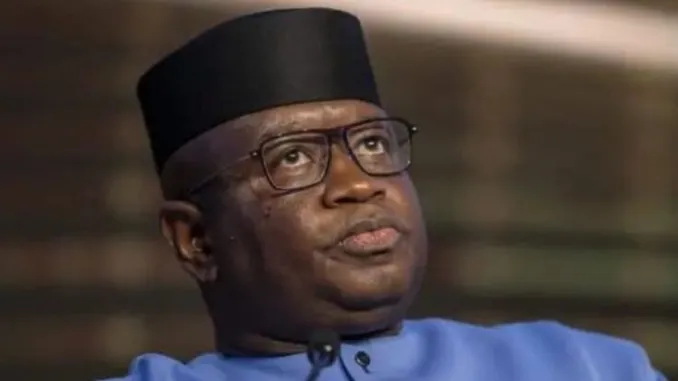
Sierra Leone's Chief Minister, David Sengeh, recently made remarks in the United Kingdom that appear to minimize international narcotics concerns linked to the West African nation. Sengeh stated, "If there is no drug case, what are we doing to ourselves?" and urged "freeing our minds" from "calling ourselves a drug state." These comments come as Sierra Leone's name has increasingly featured in international narcotics investigations, airport interceptions, maritime cocaine seizures, extradition proceedings, and organized crime intelligence briefings across Europe, Asia, and West Africa. The Chief Minister's remarks in the UK are widely seen as reflecting an attempt to minimize these significant international narcotics concerns associated with Sierra Leone, despite mounting evidence to the contrary.
Major Interceptions and Global Links
More than 30 tonnes of cocaine were intercepted aboard the MV Arconian after the vessel departed from Freetown. These significant seizures have occurred amidst reports linking Sierra Leone to the Dutch-Moroccan “Mocro Mafia,” an organization known for its international narcotics operations. Internationally wanted fugitive Jos Leijdekkers was also connected in these reports, further noting the deep international ties of the drug trade. Further noting concerns about illicit activities, an incident involving an embassy vehicle prompted the recall of Sierra Leone’s Ambassador to Guinea for questioning. The recalls and ongoing investigations show the growing international scrutiny of Sierra Leone's role in the global drug trade. The repeated appearance of Sierra Leone in such high-profile international incidents suggests a systemic issue that cannot be easily dismissed.
Official Downplaying and Its Risks
Reports indicated the MV Arconian, a vessel previously linked to significant cocaine seizures, carried automatic rifles, tactical weapons, and armed guards protecting its cargo. This suggests a high level of organization and militarization associated with drug trafficking operations, indicating sophisticated networks are at play. Separately, an incident in Guinea involved the interception of a Sierra Leone Embassy vehicle. The vehicle was found to contain seven suitcases with substances suspected to be cocaine, a discovery that sent shockwaves through diplomatic circles. This discovery further fueled international concerns regarding the country's potential role in narcotics transit, pointing to a potential abuse of diplomatic privileges. Abdul Kargbo, the Minority Leader in the Parliament of Sierra Leone, has been a vocal critic of the government's approach to such incidents, often calling for greater transparency and action to address the underlying issues. The repeated emergence of Sierra Leone in international drug-related investigations continues to draw scrutiny, making official minimization efforts appear increasingly out of touch with reality.
The Peril of Ignoring Reality
Sierra Leone has emerged as an increasingly significant transshipment point for Latin American cocaine destined for European markets, according to assessments by foreign law enforcement institutions. This development indicates a growing and critical role for the West African nation in the international narcotics trade, moving beyond mere transit to a key hub. The country's geographical position and existing transit routes are reportedly being exploited by trafficking networks, offering a strategic advantage for illicit operations. Such assessments highlight a stark discrepancy between official statements minimizing drug concerns and the observations of international bodies tracking global narcotics flows. The situation suggests that Sierra Leone's infrastructure is being utilized to facilitate the movement of illicit substances across continents, posing a significant challenge to both national security and international cooperation efforts. Ignoring these realities risks further embedding the country within the complex and dangerous web of global organized crime.