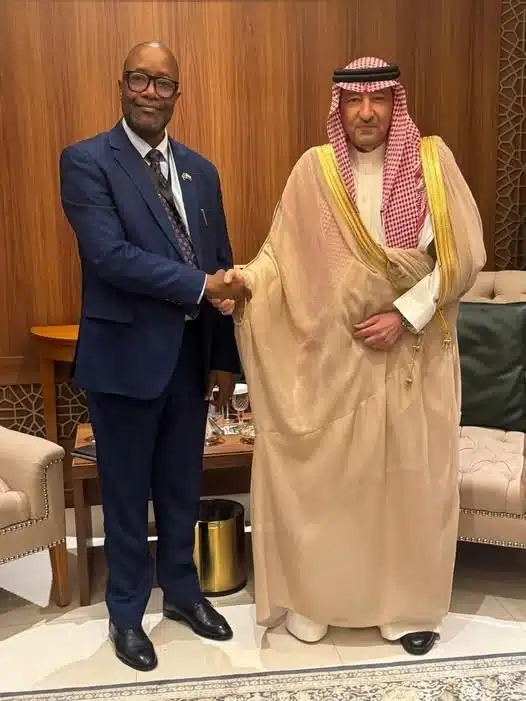
Sierra Leone’s Minister of Foreign Affairs and International Cooperation, Mohamed Rahman Swaray, recently concluded a series of high-level diplomatic engagements in Jeddah, Saudi Arabia, and with Nigerian officials. Mr. Swaray represented President Dr. Julius Maada Bio during these key meetings, which focused intently on seeking investment and fostering cooperation for Sierra Leone's development and prosperity. The initiatives undertaken by Minister Swaray show the Bio administration’s commitment to proactive diplomacy aimed at securing tangible benefits for the nation.
Mr. Swaray articulated the government's strategic approach to international forums, emphasizing a shift towards more outcome-oriented participation. He stated, "The Government intends to use international conferences not only for diplomatic exchanges but also as platforms for building partnerships that produce measurable benefits for citizens." This declaration notes a deliberate strategy to leverage global gatherings as opportunities for substantive engagement rather than mere ceremonial appearances. These engagements were meticulously planned to foster stronger bilateral ties, explore diverse opportunities for economic development, and solidify collaborative efforts across various sectors vital to Sierra Leone's growth. The overarching goal was to translate diplomatic overtures into concrete projects and partnerships that directly impact the lives of Sierra Leonean citizens.
Boosting Ties with Saudi Arabia
Mohamed Rahman Swaray's engagements occurred on the sidelines of the Extraordinary Conference of Foreign Ministers of the Organisation of Islamic Cooperation (OIC) in Jeddah, Saudi Arabia. This significant international gathering provided a prime opportunity for Sierra Leone to engage with key global partners. Discussions with Saudi officials centered comprehensively on potential investment and cooperation across several critical sectors. Energy cooperation emerged as a particularly prominent topic in these talks, reflecting Sierra Leone's pressing need for sustainable power solutions and Saudi Arabia's expertise in the energy domain. Beyond energy, officials also explored Sierra Leone’s significant agricultural potential, examining avenues for investment in food production, processing, and export. Critical infrastructure development, including projects in transportation and urban planning, was a key area of discussion, with Saudi officials showing interest in contributing to Sierra Leone's modernization efforts. Mr. Swaray presented Sierra Leone as a peaceful and democratic country, noting its stable political environment and readiness to deepen cooperation with both bilateral and multilateral partners. He showed the nation's commitment to creating an attractive environment for foreign direct investment. The meetings showed Sierra Leone's proactive approach to attracting foreign investment and strengthening international relationships, aiming to unlock new pathways for economic growth and diversification.
Strengthening Nigeria Partnership
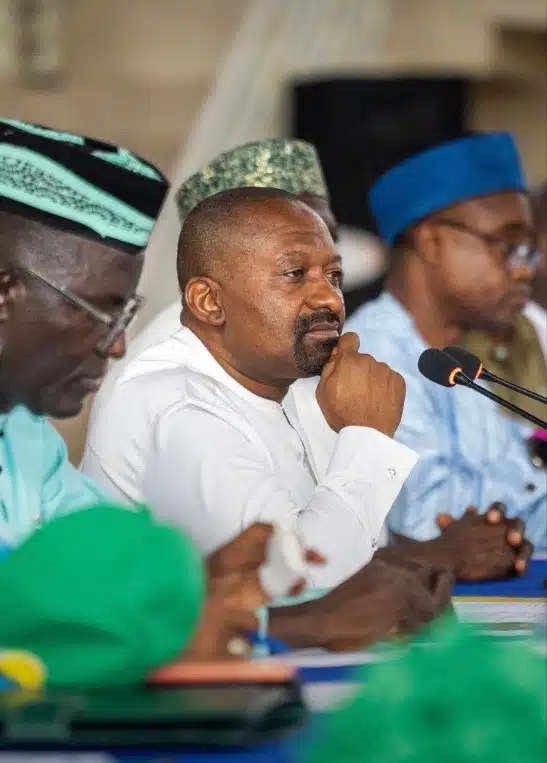
Mohamed Rahman Swaray’s meetings with Nigerian officials focused on strengthening bilateral and regional cooperation, particularly in areas such as food security, agriculture, energy, and cross-border infrastructure. These discussions built upon a long history of camaraderie and shared interests between the two West African nations. Sierra Leone and Nigeria share longstanding diplomatic and historical ties, forming a strong foundation for these discussions and future collaborative ventures. Nigeria remains an important economic and political partner for Sierra Leone within the Economic Community of West African States (ECOWAS), playing a key role in regional stability and development. The two countries discussed opportunities to draw on Nigeria’s extensive experience in large-scale agriculture, including modern farming techniques and value chain development, and energy distribution, seeking to replicate successful models and adapt them to Sierra Leone's specific needs. Minister Swaray reiterated that "The Government intends to use international conferences not only for diplomatic exchanges but also as platforms for building partnerships that produce measurable benefits for citizens." This guiding principle clearly informed the engagements with Nigerian counterparts, aiming to translate diplomatic efforts into tangible progress for Sierra Leone's multifaceted development agenda. The emphasis on practical outcomes ensures that these diplomatic exchanges contribute directly to improving the lives of Sierra Leoneans.
Future Diplomatic Strategy
The Jeddah mission reflects the Bio administration’s growing emphasis on “development diplomacy,” according to officials. This strategic approach aims to translate diplomatic engagements into tangible economic and developmental benefits for Sierra Leone, moving beyond traditional political rhetoric to focus on concrete results. Following the initial discussions, attention will now shift to a series of critical follow-up actions designed to solidify and implement the agreements. These include technical consultations, which will delve into the specifics of potential projects, alongside thorough feasibility assessments to determine their viability, sustainability, and potential impact. Such detailed evaluations are key for ensuring that proposed initiatives align with Sierra Leone's national development priorities and offer genuine returns. The entire process will culminate in the development of specific cooperation programmes, meticulously designed to formalize and implement the agreements forged during the Jeddah meetings. This structured approach ensures that the diplomatic efforts yield lasting and impactful partnerships for Sierra Leone. This report was published on September 4, 2026.