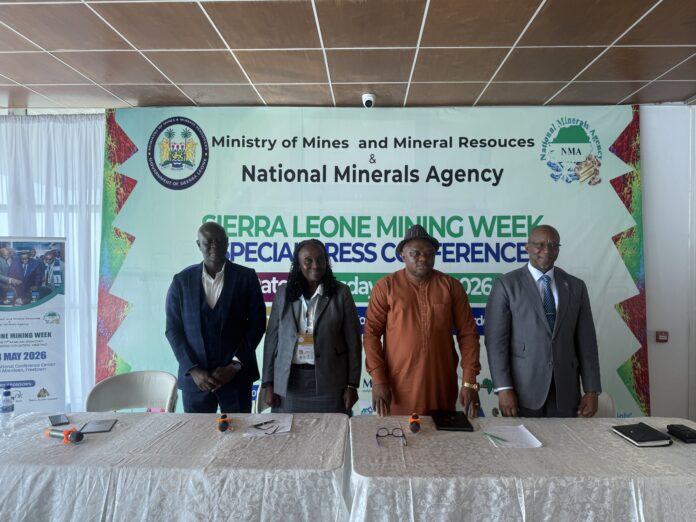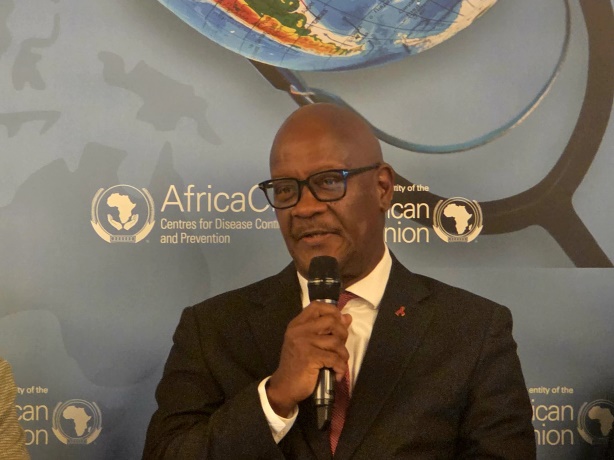
Sierra Leone has confirmed it remains free of Ebola Virus Disease, with no confirmed, suspected, or probable cases reported within its borders. This definitive statement shows the nation's current health status and aims to reassure the public amidst ongoing Ebola outbreaks in the Democratic Republic of Congo. Despite an elevated risk of regional spread due to these active outbreaks, Sierra Leone’s current risk level for Ebola is assessed as low, reflecting the strong preparedness measures in place.
The government has strongly urged citizens to rely exclusively on official communication channels for verified updates regarding the disease. These designated and authoritative sources include the National Public Health Agency, the Ministry of Health, and the Sierra Leone Broadcasting Corporation (SLBC). This directive is key to combat misinformation and ensure the public receives accurate and timely information directly from government and health authorities.
National Preparedness Measures
Sierra Leone is actively collaborating with a range of regional and international partners to bolster its defenses against Ebola. These partners include prominent organizations such as the Africa Centres for Disease Control and Prevention (Africa CDC), the Economic Community of West African States (ECOWAS), and the World Health Organization (WHO). The nation is working closely with counterpart institutions in the Democratic Republic of Congo, Uganda, Guinea, and Liberia to coordinate efforts, share intelligence, and harmonize response strategies across the region. This collaborative approach is vital for a disease like Ebola, which can easily cross borders.
In a proactive measure, health workers across the country have been instructed to maintain heightened vigilance in identifying suspected haemorrhagic fever cases. This is particularly critical among individuals who have a travel history from affected countries, as they represent a potential pathway for disease introduction. These dedicated health workers are also urged to immediately report any suspected cases to their respective District Health Management Teams or through the designated emergency line 117. This rapid reporting mechanism is essential for swift investigation and containment.
The Public Health Emergency Operations Centre (PHEOC) has been activated and is operating at a heightened readiness level to manage potential health threats, including Ebola. This activation ensures a coordinated and rapid response to any emerging public health emergency. To further coordinate preventive efforts nationally and ensure a unified approach, the National Emergency Health Committee has been formally convened. This committee plays a key role in overseeing the implementation of national preparedness and response plans.
Enhanced screening measures have been intensified at key entry points across the country. These critical locations include Lungi International Airport, the main international gateway, Freetown Harbour, a significant maritime entry point, and vital land border crossings in Kambia, Gbalamuya, and Kailahun. These rigorous screening protocols are designed to detect potential cases early and prevent the entry of the virus into Sierra Leone.
To ensure a rapid and effective response, essential medical supplies have been strategically pre-positioned. Personal Protective Equipment (PPE), isolation materials, and rapid diagnostic tools have been distributed to the Western Area, which includes the capital Freetown, and other key border districts. This ensures that frontline responders have immediate access to the resources needed to manage suspected cases safely. In addition, Rapid Response Teams have been placed on standby across all sixteen districts of the country, ready to deploy at a moment's notice if needed. Infection Prevention and Control (IPC) protocols have also been rigorously reinforced at strategic health facilities nationwide to further bolster preparedness and protect both patients and healthcare workers.
Regional Context and Risk Assessment
An active Ebola outbreak, identified as involving the Bundibugyo strain, has been officially declared in Ituri Province in the Democratic Republic of Congo. This specific strain is one of the known species of the Ebola virus. The situation in the Democratic Republic of Congo remains a key concern for regional health authorities due to the scale and persistence of the outbreak. As of May 17, 2026, the ongoing outbreak in the Democratic Republic of Congo has resulted in a significant number of cases, with 246 suspected cases reported. Tragically, the same outbreak has also been linked to 65 deaths within the country, noting the severity of the situation.
The regional impact of the outbreak has extended beyond the Democratic Republic of Congo's borders, showing the interconnectedness of public health in the region. Uganda has confirmed one imported death, which has been directly linked to the current Ebola outbreak in the Democratic Republic of Congo. This recorded fatality in a neighboring country shows the potential for cross-border transmission and notes the urgent need for continued vigilance and coordinated regional response efforts among neighboring nations. The elevated risk of regional spread necessitates constant monitoring and collaborative action.
Public and Health Worker Guidance
Citizens are strongly urged to contact the emergency toll-free number 117 immediately if they or anyone they know develops symptoms such as sudden fever, severe headache, vomiting, diarrhoea, skin rash, or unexplained bleeding. This directive is especially critical for individuals who have recently traveled from the Democratic Republic of Congo or Uganda, given the active outbreaks in those areas. The Government has advised against unnecessary travel to Ebola-affected areas in both the Democratic Republic of Congo and Uganda to minimize the risk of exposure and transmission.
Healthcare professionals have been instructed to strictly observe standard infection prevention and control procedures in all clinical settings. They are further cautioned against managing suspected Ebola cases in facilities that are not adequately prepared for such situations, emphasizing the importance of specialized isolation and treatment centers. The public is also cautioned against handling blood or bodily fluids from individuals exhibiting signs of an unexplained haemorrhagic illness, as this is a primary mode of transmission for Ebola.
To maintain public health safety and prevent the spread of infectious diseases, citizens are encouraged to consistently practice regular handwashing using soap and water or alcohol-based sanitizers. This simple yet effective measure is a cornerstone of personal hygiene and disease prevention. The Government reiterated its unwavering stance on the nation's health status, firmly stating, "Sierra Leone is Ebola-Free," a testament to its ongoing vigilance and preparedness efforts.