Sierra Leone reaffirmed its commitment to sustainable urban development during the UN General Assembly High-Level Meeting on the Midterm Review of the Implementation of the New Urban Agenda, held at the United Nations Headquarters in New York on July 16, 2026. The meeting, themed "Delivering Sustainable Urbanization for All: Accelerating and Scaling Implementation of the New Urban Agenda to 2036 Together," evaluated global progress since the New Urban Agenda's adoption in Quito, Ecuador, in 2016, and sought to identify measures for accelerated implementation through 2036. This critical review aimed to assess achievements and challenges over the past decade and chart a course for more effective action in the coming years.
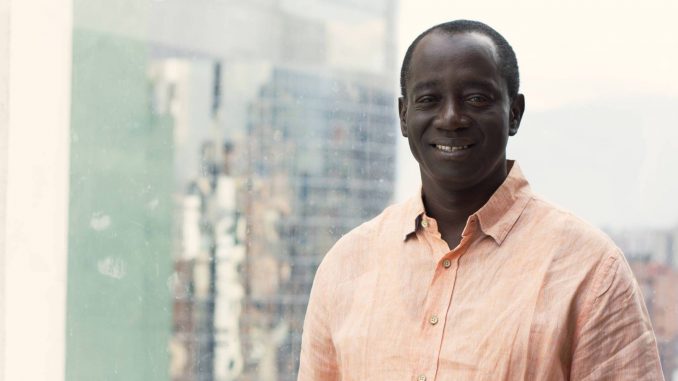
Dr. Alphajoh Cham, Director of Planning, Policy and Project Development at the Ministry of Lands, Housing and Country Planning, delivered Sierra Leone's national statement. Dr. Cham described the Midterm Review as a "timely opportunity for the international community to renew its commitment to sustainable urbanization." He further emphasized the need for "a decade of implementation,” focusing on delivering secure land rights, affordable housing, resilient settlements, reliable urban services, and inclusive opportunities for all citizens while ensuring no one and no place is left behind. This call to action showed Sierra Leone's belief in the transformative potential of strong urban planning and development.
National Challenges and Reforms
The statement noted that rapid population growth in Freetown, the Western Area, and emerging secondary cities has intensified demand for land, housing, infrastructure, and essential public services. This demographic shift places considerable strain on existing resources and urban systems. Many communities in these areas remain vulnerable to environmental hazards such as flooding, landslides, and coastal erosion, showing the urgent need for resilient urban planning and infrastructure development. The challenges are particularly acute in informal settlements, where residents often lack basic services and are disproportionately affected by climate-related events.
Sierra Leone showed its commitment to addressing these challenges through significant legislative reforms. These reforms represent a concerted effort to establish a strong legal and regulatory framework for sustainable urban development. Among the reforms noted was the enactment of the Customary Land Rights Act, 2022. This act aims to promote equitable access to land while also protecting the rights of women and local communities, ensuring that land ownership is inclusive and secure for all citizens.
Another key reform mentioned was the National Land Commission Act, 2022. This legislation established decentralized land administration processes and laid the foundation for biometric land title registration, enhancing transparency and security in land ownership across the country. The move towards biometric registration is a significant step in modernizing land management and reducing disputes. Sierra Leone enacted the National Country Planning Act, 2025. This act provides a modern legal framework designed to facilitate integrated spatial planning, strengthen climate resilience efforts, ensure more strong development control, and enable decentralized planning across the nation. This full act is central to guiding future urban growth in an organized and sustainable manner.
Strategic Commitments and Projects
Sierra Leone noted ongoing progress under the Resilient Urban Sierra Leone Project, which includes the preparation of the Western Area Regional Spatial Plan. This plan is key for managing the growth and development of the capital region. This project also encompasses the development of spatial plans for six secondary cities, contributing to broader national urban planning efforts and promoting balanced regional development. These plans are designed to guide infrastructure investments and land use decisions in a coordinated fashion.
The nation is advancing a full National Housing Policy designed to expand affordable housing options, promote secure land tenure, and support community-led upgrading initiatives. The policy further aims to encourage the use of local building materials and increase access to essential urban services for its citizens. This holistic approach seeks to address the multifaceted challenges of housing and urban living.
During the meeting, Sierra Leone announced four strategic national commitments intended to accelerate the implementation of the New Urban Agenda. These commitments reflect the nation's proactive stance on sustainable urbanization. The first commitment focuses on translating existing policies and legislation into the practical delivery of serviced land, affordable housing, secure tenure, and basic services, particularly for low-income and vulnerable households. This commitment emphasizes tangible outcomes that directly benefit the most marginalized populations.
The second commitment pledges to strengthen local councils, improve municipal finance, reinforce development control systems, and encourage greater citizen participation to enhance urban governance effectively. This is key for ensuring that urban development is responsive to local needs and priorities. A third commitment prioritizes integrating climate adaptation, disaster risk reduction, nature-based solutions, and digital geospatial technologies into land-use planning, housing development, and urban infrastructure. This commitment notes Sierra Leone's dedication to building resilience against climate change impacts and leveraging modern technology for smarter urban growth.
The fourth strategic commitment centers on operationalizing Sierra Leone’s partnership with UN-Habitat and other development partners. This will involve technical cooperation, capacity building, knowledge exchange, project preparation, and resource mobilization to support urban development goals. This commitment shows the importance of collaborative efforts and international support in achieving sustainable urbanization.
International Advocacy and Partnerships
Sierra Leone called on the international community to expand support for Least Developed Countries, advocating for increased access to concessional and blended financing. The nation urged greater climate adaptation funding, stronger project preparation facilities, and innovative risk-sharing mechanisms specifically for affordable housing and resilient infrastructure. Sierra Leone also sought increased investment in secondary cities and enhanced support for community-led upgrading of informal settlements. These requests reflect the specific financial and technical needs of developing nations in their pursuit of sustainable urban development.
Sierra Leone advocated for increased and predictable funding for UN-Habitat. The country emphasized the need for stronger coordination across the United Nations system and international financial institutions to achieve urban development goals. This coordinated approach is deemed essential for maximizing the impact of global efforts. On the sidelines of the High-Level Meeting, Sierra Leone reaffirmed its strategic partnership with UN-Habitat, building on an existing Memorandum of Understanding between the two entities. This continued collaboration is expected to further strengthen Sierra Leone's capacity to implement the New Urban Agenda and achieve its urban development aspirations.