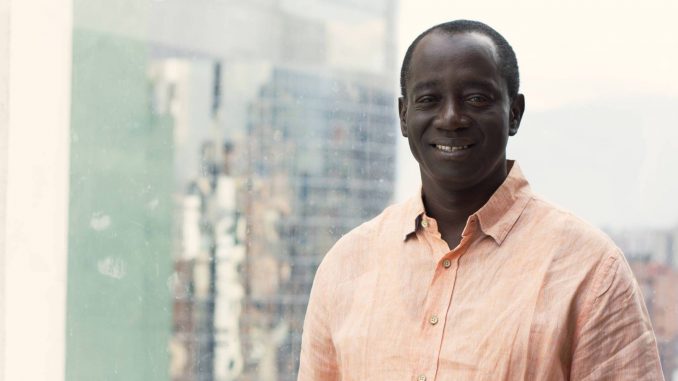
Sierra Leone’s Minister of Foreign Affairs and International Cooperation, Alhaji Timothy Musa Kabba, recently defended the government's diplomatic handling of the Yenga border dispute, clarifying the country's approach amid long-standing tensions. Kabba stated that expectations for a resolution during Sierra Leone’s Economic Community of West African States (ECOWAS) chairmanship were unrealistic, given the dispute has persisted for over two decades. He affirmed that the Government deliberately chose diplomacy over military confrontation despite what he termed "serious provocations along the Sierra Leone-Guinea border," which he described as "an act of military aggression." These provocations included instances where Guinean soldiers had established a military presence on territory claimed by Sierra Leone.
Kabba noted that while the Republic of Sierra Leone Armed Forces possessed the capability to defend the country’s territorial integrity, they were instructed to exercise restraint, allowing diplomatic efforts to continue. This instruction for restraint was given even after an incident on April 28, when Guinean security forces allegedly fired multiple rounds of gunfire at Kotoma Village in Kailahun District. He noted that these engagements culminated in the Mano River Union Summit held in Conakry, Guinea, on June 6, where regional leaders addressed border concerns affecting member states. Kabba emphasized that the issue extends beyond Sierra Leone, expressing confidence that continued engagement through the Mano River Union would ultimately lead to a peaceful resolution of the dispute. He further elaborated that similar territorial challenges involving Guinea have also affected parts of Liberia’s Lofa County.
Yenga Dispute Diplomacy
Sierra Leone's Minister of Foreign Affairs and International Cooperation, Alhaji Timothy Musa Kabba, stated that expectations for a resolution of the Yenga dispute during Sierra Leone's one-year tenure as Chair of ECOWAS were unrealistic, given the issue has remained unresolved for more than two decades. Kabba affirmed that the government deliberately chose diplomacy over military confrontation. He referenced "serious provocations along the Sierra Leone-Guinea border," where Guinean soldiers had established a military presence on territory claimed by Sierra Leone. These military actions by Guinean forces constituted what Kabba described as "an act of military aggression" against Sierra Leonean territory.
Alhaji Timothy Musa Kabba explained that "the Government deliberately chose diplomacy over military confrontation despite what he described as serious provocations along the Sierra Leone-Guinea border." This diplomatic approach was maintained even after an incident on April 28, when Guinean security forces allegedly fired multiple rounds of gunfire at Kotoma Village in Kailahun District. Kabba clarified that "the Republic of Sierra Leone Armed Forces had the capacity to defend the country’s territorial integrity and could have responded militarily, but were instead instructed to exercise restraint while diplomatic efforts continued." He added that similar territorial challenges involving Guinea have also affected parts of Liberia’s Lofa County. The decision to prioritize diplomacy was a strategic choice by the Sierra Leonean government to de-escalate tensions and seek a peaceful resolution. Kabba showed that the Mano River Union Summit, held in Conakry, Guinea, on June 6, was a significant step in these ongoing diplomatic efforts. He expressed optimism that sustained engagement through regional bodies like the Mano River Union would eventually lead to a lasting resolution of the Yenga border dispute.
ECOWAS Stance on Xenophobia
ECOWAS Heads of State and Government formally considered the issue of xenophobic attacks in South Africa during the recent ECOWAS Summit in Freetown. The Mano River Union Summit, which addressed broader regional concerns, had previously convened in Conakry, Guinea, on June 6. At the Freetown summit, ECOWAS adopted a regional position to escalate the matter of xenophobic attacks in South Africa to the African Union. This concern was subsequently incorporated into the summit’s official communiqué. The inclusion in the communiqué showed the gravity with which West African leaders viewed the issue.
The issue of xenophobia has led to practical measures by some West African nations, with countries such as Nigeria and Ghana repatriating their citizens from South Africa due to these xenophobic attacks. These repatriations highlight the direct impact of the attacks on citizens from ECOWAS member states. Ghana has also been actively championing the issue of reparative justice at the United Nations, further demonstrating its commitment to addressing historical and contemporary injustices. Ghana is scheduled to assume the African Union Chairmanship in 2027, which could provide a platform for further addressing such concerns at a continental level, potentially bringing the issue of xenophobia and reparative justice to the forefront of the AU agenda. The collective stance taken by ECOWAS reflects a growing regional determination to address human rights issues affecting African citizens across the continent.
Former President's Summit Role
Former President Ernest Bai Koroma attended the recent ECOWAS Summit in Freetown following a request for permission from President Julius Maada Bio. President Bio approved Mr. Koroma's request, citing a spirit of national reconciliation and unity. Mr. Koroma participated in the summit solely as an observer and an invited guest. He did not take part in the closed session reserved for serving Heads of State and Government, respecting the protocols of the regional body. His attendance as an observer was a notable gesture, particularly given the recent political climate in Sierra Leone.
The summit took place against a backdrop described as a period when Sierra Leone’s democracy came under serious threat during the events of November 26, 2023. The loss of lives, including both civilians and security personnel, on that date was characterized as tragic and unnecessary. These events showed the fragility of peace and stability. Concerns were also raised that hostility and bitterness approaching the 2028 general elections could deepen existing divisions and threaten national stability. The approval of former President Koroma's attendance by President Bio was seen by some as a move to foster greater national cohesion and reduce political tensions ahead of future electoral cycles. This gesture aimed to project an image of unity and a commitment to democratic processes, despite the challenges the nation has recently faced.