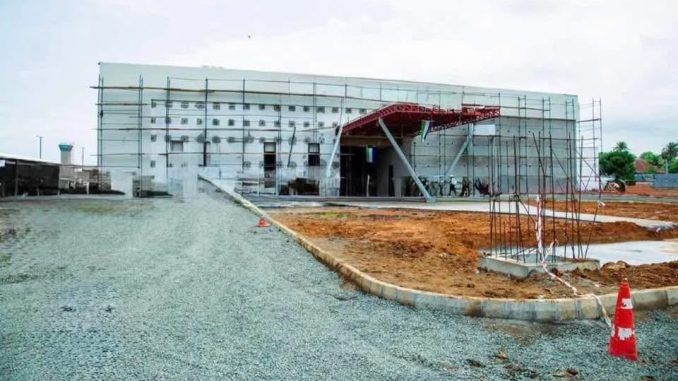
Zainab Sheriff, President of the Female Correctional Centre in New England, Freetown, appealed for urgent reforms on Wednesday, July 8, 2026, citing severe overcrowding and deteriorating conditions. The facility, which is located in New England, Freetown, was originally built for 18 inmates, but now houses over 200 women. This significant disparity has led to inadequate sleeping space, limited medical supplies, and poor living conditions for the women incarcerated there. Sheriff stated, "Despite the challenges, Zainab Sheriff expressed appreciation to non-governmental organisations and humanitarian groups that have continued to support inmates through the provision of welfare assistance, counselling and other rehabilitation programmes." Her appeal notes the critical need for intervention to address the correctional centre's current state, emphasizing the profound impact of the current conditions on the inmates' well-being and rehabilitation prospects.
Dire Conditions and Urgent Needs
Speaking alongside Janet Kamara, Zainab Sheriff addressed the pressing needs of the inmates, speaking on their behalf to highlight the gravity of the situation. Sheriff urged the Government to provide additional beds, medicines, and other essential welfare items to improve the facility's conditions, which are currently severely strained by the high inmate population. She also called for addressing the widespread issue of drug abuse within correctional facilities, an endemic problem that often exacerbates existing challenges. Sheriff further advocated for more humane sentencing policies, specifically for first-time and minor offenders, proposing that such measures could significantly alleviate the pressure on overcrowded facilities. Expanding alternative sentencing measures, including community service, was presented as a viable solution to reduce the current congestion and provide more appropriate avenues for justice for minor infractions.
Parliamentary Oversight and Commitments
The Parliamentary Oversight Committee on Human Rights, chaired by Hon. Dr. Unpha Sorie Koroma, conducted an oversight visit to the correctional facility as part of Parliament’s constitutional oversight responsibility. During the visit, members of the Parliamentary Human Rights Committee acknowledged the inmates' concerns directly. They reaffirmed Parliament’s commitment to protecting the rights and dignity of inmates and pledged to continue advocating for improved correctional conditions across the country. The committee's visit showed the legislative body's recognition of the critical issues faced by the correctional system and its inhabitants.
Hon. Dr. Unpha Sorie Koroma praised civil society organisations for providing civic education and rehabilitation programmes for inmates, stressing that rehabilitation should remain a central objective of the correctional system rather than solely punitive measures. He further advocated for greater use of community service and other non-custodial measures as alternatives to imprisonment for minor offences, echoing Sheriff's sentiments on reducing overcrowding through alternative sentencing. Parliament reaffirmed its commitment to protecting the rights and dignity of inmates. Hon. Rev. Soukenah Fatmata Sarah noted Parliament’s commitment to promoting women’s rights and empowerment, emphasizing the particular vulnerability of female inmates and the need for gender-sensitive approaches within the correctional system.
Civil Society and Future Steps
During a parliamentary visit, Hon. Dr. Unpha Sorie Koroma praised civil society organisations for providing civic education and rehabilitation programmes for inmates, stating that "rehabilitation should remain a central objective of the correctional system." The visit was conducted as part of Parliament’s constitutional oversight responsibility, ensuring legislative scrutiny of human rights conditions. Non-governmental organisations and humanitarian groups currently provide welfare assistance, counselling, and rehabilitation programmes to inmates, playing a key role in mitigating the effects of overcrowding and limited resources. Hon. Dr. Koroma also advocated for "greater use of community service and other non-custodial measures as alternatives to imprisonment for minor offences," suggesting a path toward systemic reform. In a show of support, Hon. Abdul Karim Kamara pledged to donate ten mattresses to the facility, encouraging the women "to remain hopeful despite their circumstances," a gesture aimed at providing immediate relief and a glimmer of hope amidst the challenging conditions.