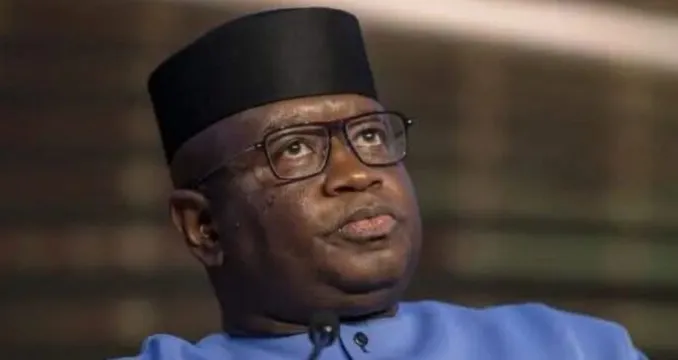
The Economic Community of West African States (ECOWAS) concluded its Sixty-Ninth (69th) Ordinary Session of the Authority of Heads of State and Government in Lungi, Sierra Leone, on Sunday, July 19, 2026. This significant gathering brought together leaders from across the West African sub-region to deliberate on critical issues impacting peace, security, economic development, and regional integration. During the session, regional leaders adopted several key decisions, including the Presidential Declaration on Advancing Gender Parity in Political Representation. This declaration aims to promote greater inclusion of women in political processes across member states, recognizing the vital role women play in sustainable development and governance. The summit, hosted in the coastal city of Lungi, brought together heads of state from across West Africa to address pressing regional issues and reinforce commitments to shared development goals, fostering a renewed sense of collective purpose and cooperation.
Regional Integration and Economic Ambitions
Leaders adopted the Declaration of Commitment to the Compact on the Future of Regional Integration in West Africa during the summit, showing a collective vision for a more cohesive and prosperous region. This compact is designed to streamline integration efforts and address emerging challenges to regional cohesion. Concurrently, Heads of State reaffirmed their unwavering commitment to launching the ECO single currency in 2027, a project seen as key for enhancing economic stability and facilitating trade within the bloc. The name "ECO" was registered with the African Intellectual Property Organisation as part of this initiative, marking a concrete step towards its realization and protecting its intellectual property. The Authority also welcomed this registration and directed the ECOWAS Commission to continue consultations with central bank governors on outstanding technical issues, ensuring all prerequisites are met for a smooth launch.
The Authority expressed concern over outstanding Community Levy arrears, a primary source of funding for ECOWAS operations, and called for urgent measures to address these financial obligations to ensure the sustained functioning of the organization. To bolster regional food security, the Authority called for accelerated implementation of the ECOWAS Rice Roadmap, a strategic initiative designed to increase domestic rice production and reduce reliance on imports. This roadmap is key for enhancing resilience against external shocks and ensuring food sufficiency for the region's growing population. The Authority reiterated its commitment to the Protocol on the Free Movement of Persons, Right of Residence and Establishment, emphasizing regional mobility as a cornerstone of integration. This commitment notes the importance of facilitating unimpeded movement for citizens, which is essential for economic interaction and cultural exchange.
A significant development included the signing of the Inter-Governmental Agreement on the African Atlantic Gas Pipeline (AAGP), a landmark project poised to transform the energy landscape of the region. The African Atlantic Gas Pipeline Agreement was signed as a strategic initiative in partnership with the Kingdom of Morocco, aiming to transport natural gas from Nigeria, through several West African countries, and ultimately to Morocco and potentially Europe. This ambitious project is expected to foster energy security, industrial development, and economic cooperation across the participating nations. To further stimulate economic growth and connectivity, the Authority directed the ECOWAS Commission to prepare investment-ready regional infrastructure projects, focusing on areas such as transportation, energy, and digital infrastructure, aiming to enhance connectivity and economic growth across member states.
Côte d’Ivoire received commendation as the only Member State to have removed applicable taxes on air travel, a pioneering move recognized for facilitating regional movement and promoting intra-regional tourism and business. This decision by Côte d'Ivoire was noted as a best practice that other member states could emulate to boost regional connectivity. In the digital sphere, the Authority approved new regional digital governance measures, which included a revised supplementary act on personal data protection. This act is designed to safeguard the privacy rights of citizens in the digital age, aligning with international best practices. Additionally, the establishment of a Regional Cybersecurity Coordination Mechanism was approved to enhance digital security across West Africa, addressing the growing threats of cybercrime and ensuring a secure digital environment for economic activities and governance.
Peace, Security, and Governance
Sierra Leone received commendation for its progress in implementing the Agreement for National Unity, a significant step acknowledged by the regional body in fostering political stability and reconciliation following recent political transitions. This agreement is viewed as a key framework for ensuring lasting peace within the nation. Leaders additionally praised President Julius Maada Bio's decision to discontinue legal proceedings against former President Dr. Ernest Bai Koroma, a move interpreted as a gesture of national reconciliation and a commitment to unity. The Authority encouraged the continued implementation of Tripartite Committee recommendations in Sierra Leone, looking ahead to the nation's 2028 general elections, emphasizing the importance of fair and transparent electoral processes.
On regional security, the Authority expressed deep concern over persistent terrorist attacks across both the Sahel and Lake Chad Basin regions, acknowledging the severe humanitarian and security challenges these attacks pose to member states. In response to these grave challenges, ECOWAS leaders endorsed a revised roadmap aimed at operationalizing the ECOWAS Counterterrorism Brigade. This brigade is slated to become operational by July 2027, representing a significant step towards a more strong and coordinated regional response to terrorism. The revised roadmap outlines clear objectives, timelines, and resource allocation for the brigade's establishment and deployment. The summit renewed the mandate of ECOWAS Special Envoy on Counterterrorism, Ambassador Baba Kamara, for an additional three years, reinforcing regional efforts to combat terrorism through sustained diplomatic and strategic engagement.
In a diplomatic move, the Authority endorsed Sierra Leone's candidature for a seat on the International Court of Justice for the upcoming 2027–2036 term. This endorsement signals strong regional support for Sierra Leone's bid for international judicial representation, recognizing the nation's commitment to international law and justice. The backing from ECOWAS member states provides a significant boost to Sierra Leone's campaign on the global stage.
Leadership Transitions and Future Outlook
The meeting was chaired by President Dr. Julius Maada Bio of Sierra Leone, who served as the outgoing Chair of the ECOWAS Authority, concluding a tenure marked by significant regional diplomatic efforts. During the summit, President Bassirou Diomaye Faye of Senegal was elected as the new Chairperson of the ECOWAS Authority. He will serve a one-year term, succeeding President Julius Maada Bio in this key leadership role, and is expected to guide the organization through its next phase of development and challenges.
The Authority also reviewed the 2026 Interim Report on the State of the Community. This full report provided an overview of the region's progress and challenges across various sectors, including economic performance, security, and social development, offering valuable insights for future policy formulation. In addition to the new Chairperson, General Birame Diop of Senegal was appointed as the next President of the ECOWAS Commission, the executive arm of the organization. His tenure is set to begin on September 1, 2026, when he will succeed Dr. Omar Alieu Touray of The Gambia, who has served diligently in the role. General Diop's appointment is anticipated to bring new leadership and strategic direction to the Commission's efforts in implementing ECOWAS mandates.
The ECOWAS Authority addressed several ongoing initiatives, including the single currency project. The Authority stated, "The Authority also welcomed the registration of the name “ECO” with the African Intellectual Property Organisation and directed the ECOWAS Commission to continue consultations with central bank governors on outstanding technical issues." This directive shows the careful planning and coordination required to successfully implement such a transformative economic policy, ensuring its viability and acceptance across all member states. The outcomes of the 69th Ordinary Session reflect a renewed commitment by ECOWAS leaders to tackle the region's multifaceted challenges through collective action and strengthened cooperation.