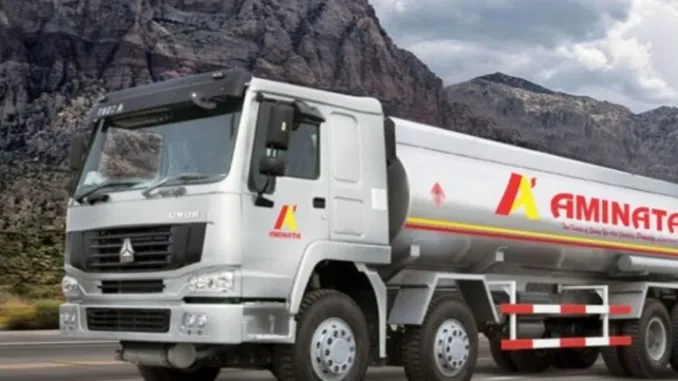
Aminata and Sons Sierra Leone Limited has secured a $20 million loan from a commercial bank to fund its expansion plans for fuel storage facilities in Sierra Leone. This substantial financial backing shows the strategic importance of the project. The expansion initiative, initially slated for completion in 2023, experienced delays due to the emergence of COVID-19, a global health crisis that impacted numerous development timelines, pushing its revised completion timeline into early 2024. The expansion aims to significantly enhance the nation's energy security and storage capacity, addressing critical infrastructure needs.
Current Capacity and Expansion Vision
Aminata and Sons Sierra Leone Limited currently maintains a total fuel storage capacity of 20,000 metric tonnes. This existing capacity is strategically split between two key locations, with 10,000 metric tonnes stored at its Kissy facility and an additional 10,000 metric tonnes at Cline Town. Recognizing the growing energy demands and the importance of strong national reserves, the company has proposed an ambitious expansion that would add an additional 25,000 metric tonnes to this existing infrastructure. This planned increase is designed to fortify Sierra Leone's fuel supply chain and provide greater stability in energy availability.
Investment and Operational Progress
Aminata and Sons Sierra Leone Limited's financial projections for the expansion project were based on an expectation that business operations would commence in 2023. Despite the initial delays caused by the COVID-19 pandemic, Aminata officially commenced operations in 2024, subsequently beginning to honour its loan repayment commitments to the commercial bank. This demonstrates the company's commitment to its financial obligations and the project's long-term viability. For its expansion efforts, Aminata has already spent approximately $3.5 million to acquire two acres of land, a foundational step for the new facilities. The wider expansion programme is expected to require an additional investment of around $18 million to complete. This further investment will facilitate the development of the newly acquired land, including the construction of new storage tanks and associated infrastructure, and integrate it smoothly into the company's existing fuel storage network. The company aims to enhance Sierra Leone's energy security through these developments, ensuring a more resilient and reliable fuel supply for the nation.
Request for Government Support
Aminata and Sons Sierra Leone Limited has formally requested government assistance for its expansion project, noting the national benefits of the initiative. The company is seeking a duty waiver on materials and equipment necessary for constructing the additional fuel storage capacity. This waiver would apply exclusively to items imported for the expansion, thereby reducing the overall cost of the project and helping to maintain its financial feasibility. Aminata is also requesting a deferred payment arrangement for taxes, emphasizing that this is not intended as a permanent exemption from tax obligations but rather a temporary measure to support the project's financial planning during the construction phase. This deferral would allow the company to allocate more capital directly to the expansion, accelerating its completion. The company's proposals aim to facilitate the timely completion of its expanded infrastructure, which is designed to enhance Sierra Leone's overall energy security and economic stability.
National Energy and Economic Implications
The proposed expansion by Aminata and Sons Sierra Leone Limited would increase the company's total fuel storage capacity to 45,000 metric tonnes. This significant enlargement builds upon its current 20,000 metric tonnes, which is split between facilities in Kissy and Cline Town. The addition of 25,000 metric tonnes would nearly double Aminata's existing capacity, aiming to bolster Sierra Leone's national energy reserves considerably. This project is strategically positioned to enhance the country's strategic fuel security, potentially mitigating supply chain vulnerabilities, reducing reliance on immediate imports, and ensuring more stable energy availability for economic activities and daily consumption across the nation. The increased capacity could also support the strategic stockpiling of fuel, providing a buffer against unforeseen disruptions in global supply chains or price fluctuations, thereby contributing to the nation's economic resilience.